
The Abandoned Camp in Minecraft: Loot, Biomes, and How to Find One
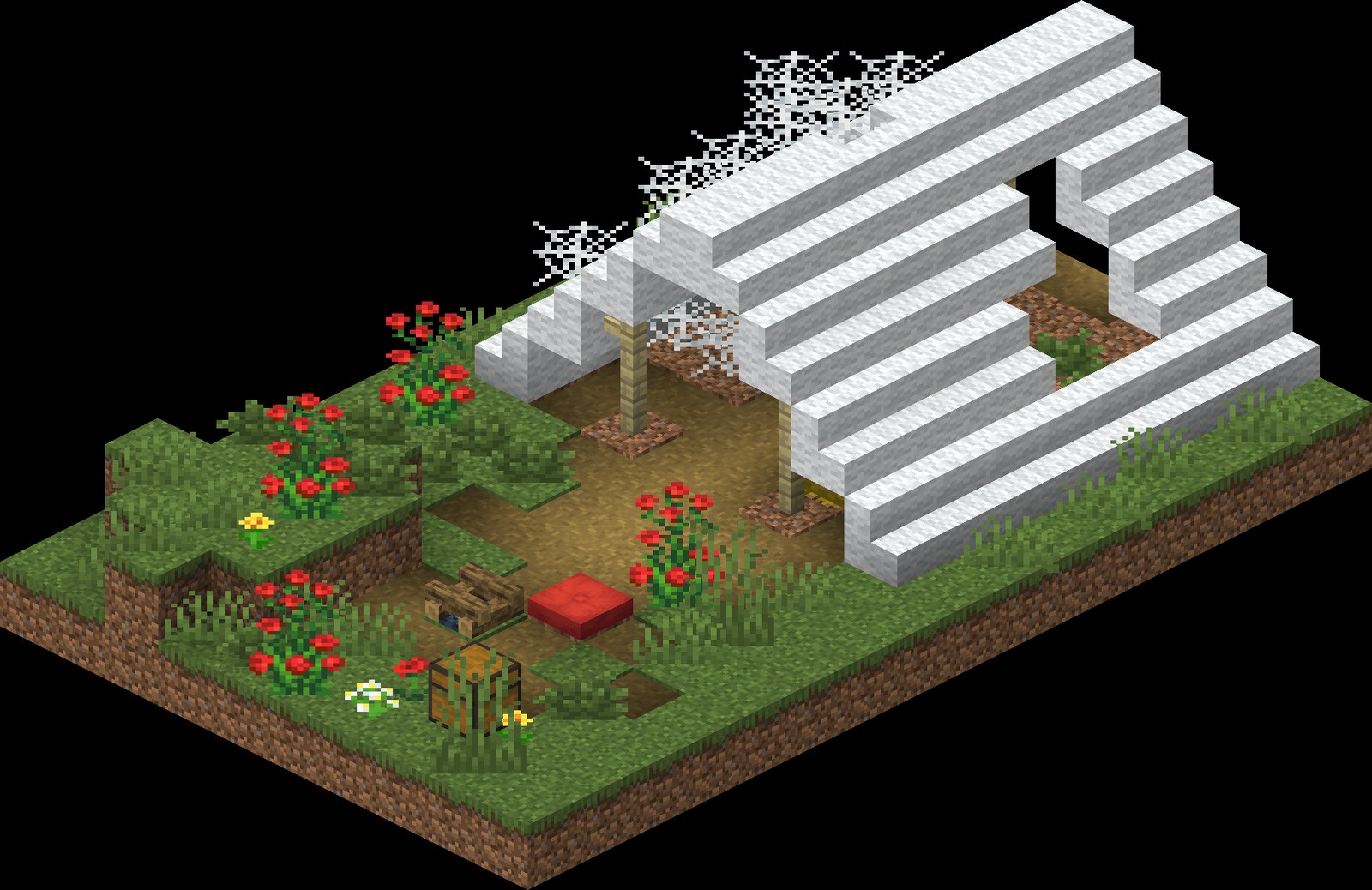
The Abandoned Camp is a new structure shipping with Wilderness Bound, Minecraft's Drop 3 (Java Edition 26.3, Bedrock Edition 26.50), releasing 2026-09-15. It's a small forest-and-taiga campsite built around a white-wool tent, and it's worth finding for two reasons: the loot inside its chests and barrels, and the explorer maps that can point you toward bigger structures. Because Wilderness Bound is an upcoming drop, some values on the wiki are still marked work-in-progress — this guide sticks to what's actually documented and says so plainly wherever it isn't.
Where Abandoned Camps Spawn: 18 Biomes
Abandoned Camps generate across 18 biomes, split roughly evenly between forest, taiga, jungle, and a handful of standalone types:
- Forest-family (6): Birch Forest, Dappled Forest, Flower Forest, Forest, Old Growth Birch Forest, Windswept Forest
- Taiga-family (4): Old Growth Pine Taiga, Old Growth Spruce Taiga, Snowy Taiga, Taiga
- Jungle-family (2): Bamboo Jungle, Sparse Jungle
- Other (6): Cherry Grove, Meadow, Pale Garden, Savanna, Swamp, Wooded Badlands
That's 6 + 4 + 2 + 6 = 18 biomes in total — the widest biome spread the wiki lists for this structure, which makes the camp more a "wherever you're exploring temperate or cold terrain" find than a destination you plan a trip around.
How Rare Is an Abandoned Camp?
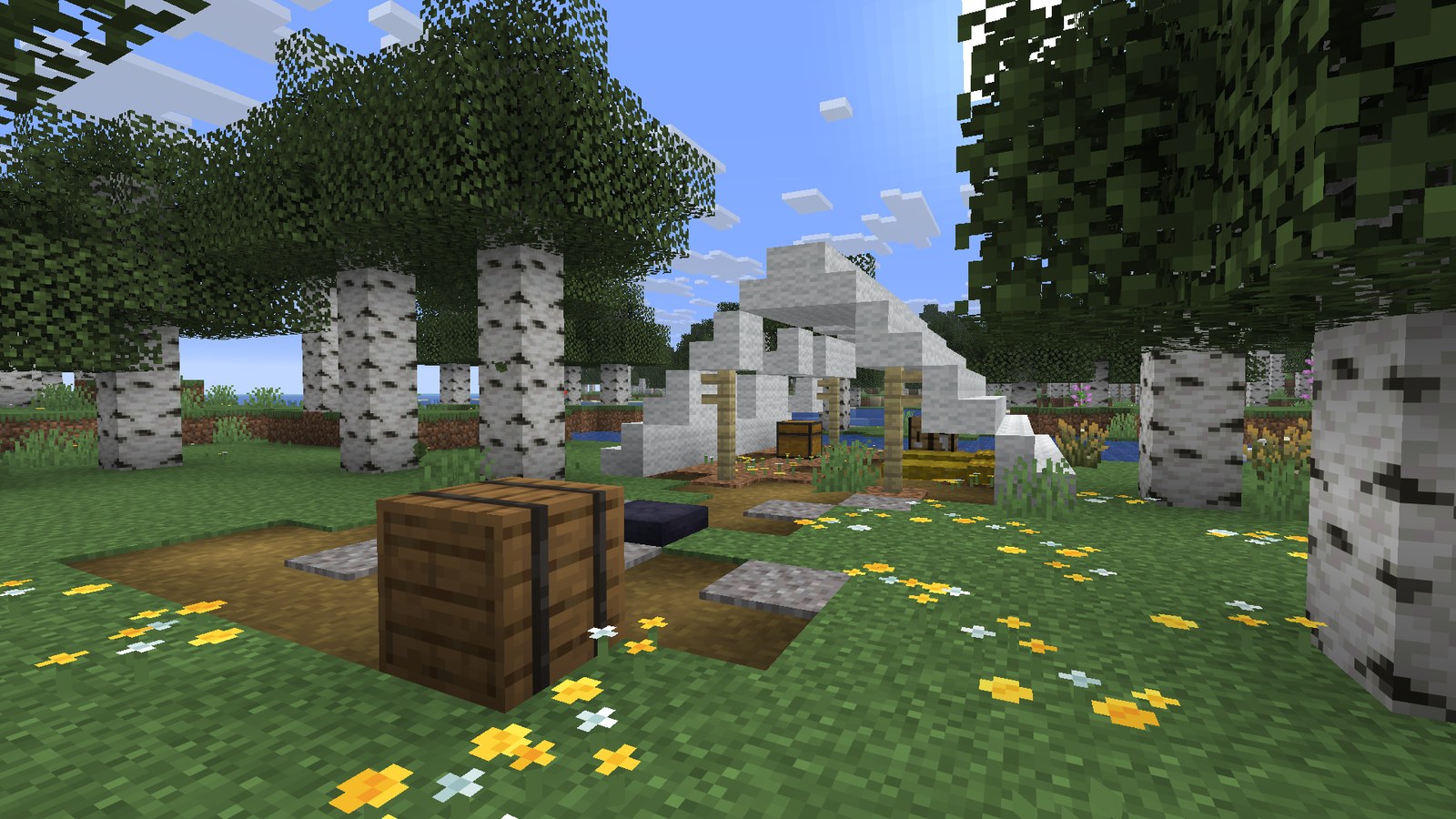
Camps generate on a grid of 37x37-chunk regions centered on the world origin, with one generation attempt per region. When they do spawn, neighboring camps sit a minimum of 8 and a maximum of 60 chunks apart, averaging about 34 chunks. Do the arithmetic on those two extremes and the average lines up almost exactly with the midpoint: (8 + 60) ÷ 2 = 34 — so a "typical" camp really does sit roughly halfway between the closest and farthest documented spacing, not skewed toward either end. In practice that means camps are sparse enough that stumbling onto one usually means a genuinely fresh discovery, not a repeat of one you passed an hour ago.
Inside the Camp: Tent, Campsite, and Variants
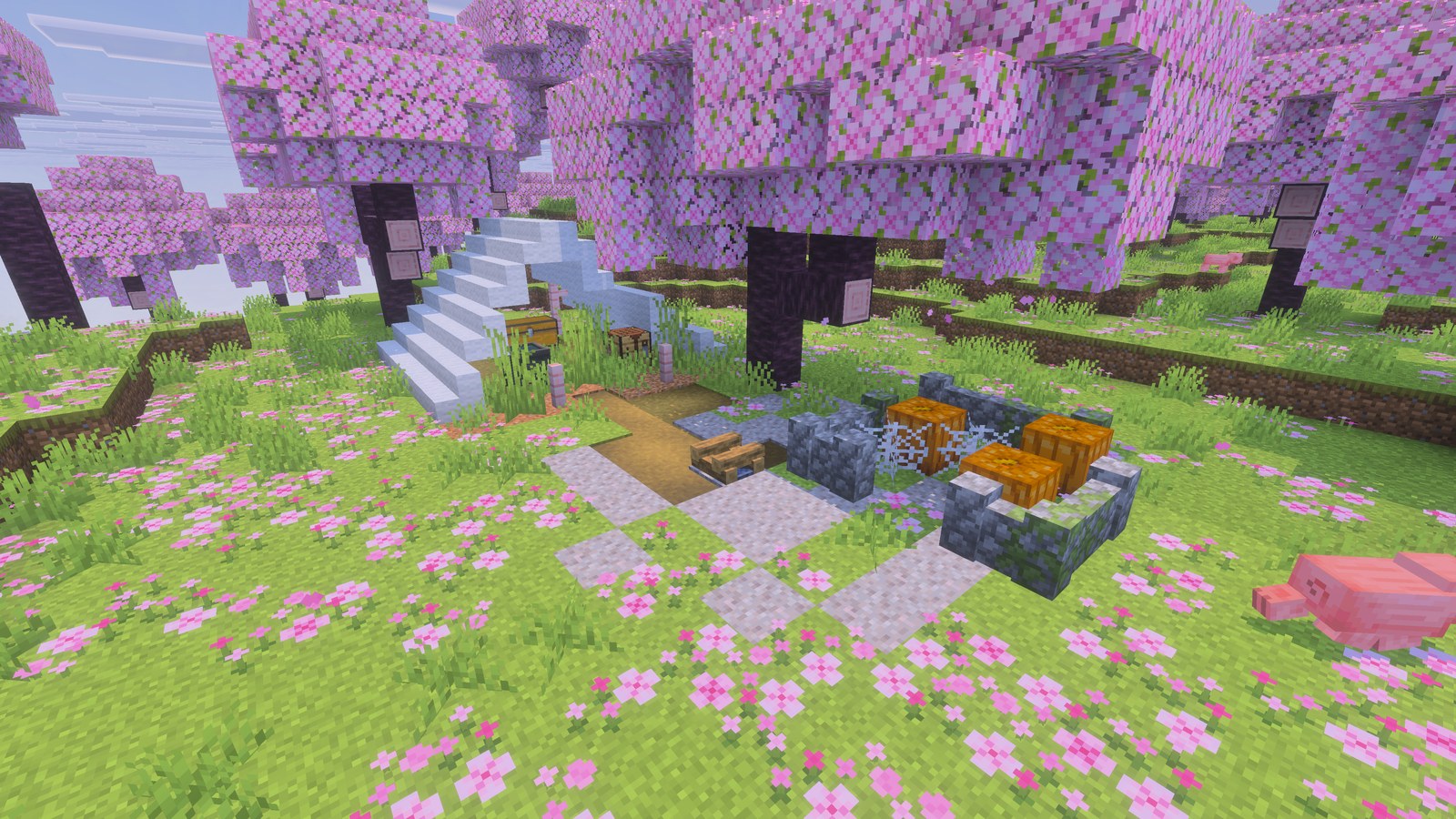
Every camp is built from two parts: a tent plus a campsite. The tent itself uses white wool stairs, with an interior array of chests, barrels, straw beds, cushions, and other utility blocks. The surrounding campsite is dirt, gravel, and path blocks, with an unlit campfire nearby, and the tent is propped up by biome-specific wooden fences — so the fence type you see changes depending on which of the 18 biomes you're standing in.
Camps also come in variants: some are covered in leaves, and others feature a nearby crop farm. Between the tent variants and campsite layouts, the wiki documents 8,820 unique possible camp configurations — a large enough number that no two camps you find are likely to look identical, even within the same biome.
What's in the Chests
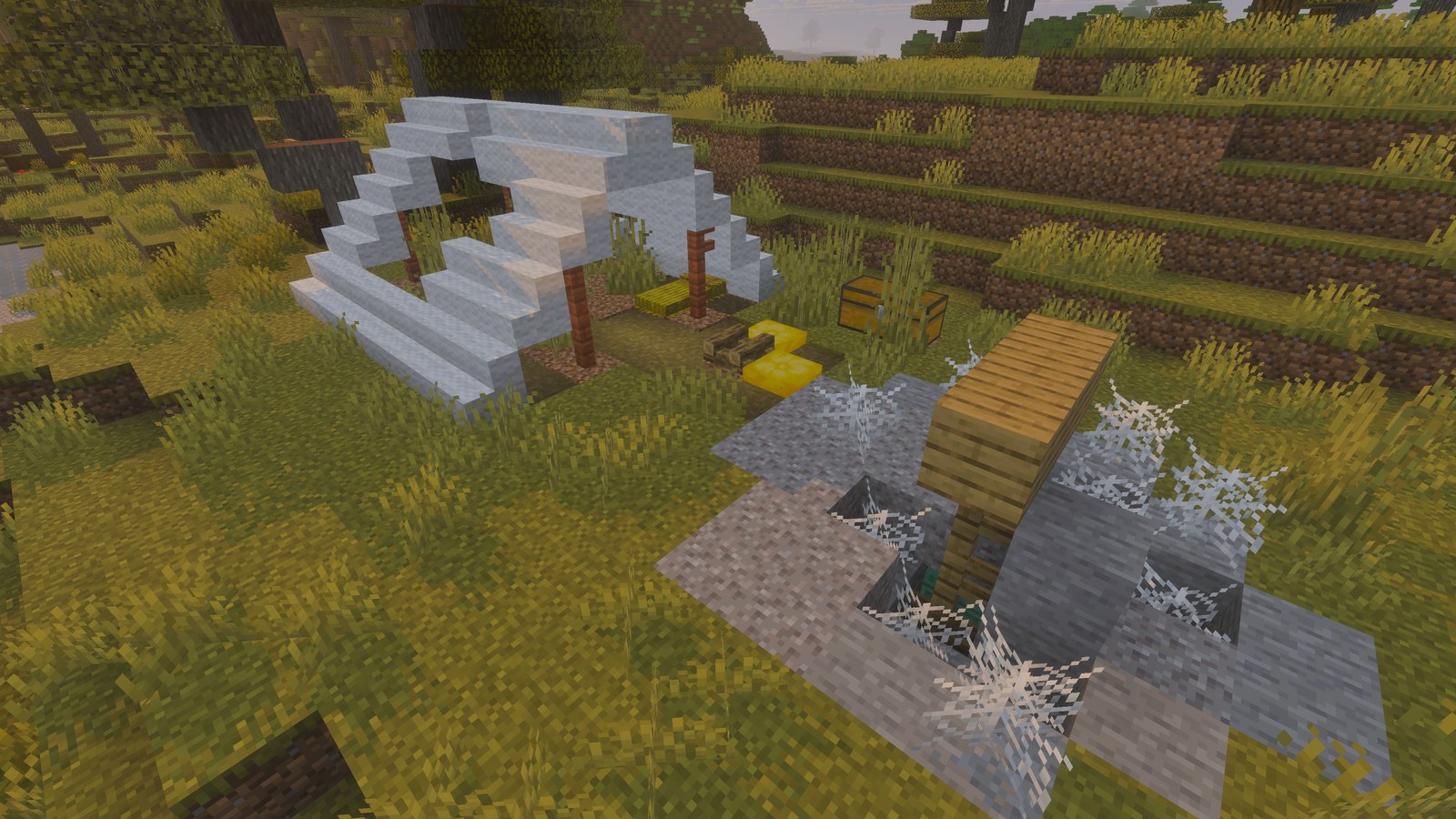
The main draw for exploring a camp is what's in its containers. Chest loot can include explorer maps pointing toward other abandoned camps, trial chambers, and ancient cities — turning one camp into a lead on your next destination. Barrels separately roll for straw beds, at 2-4 per roll with a 35.5% chance of the roll landing at all; averaging the 2-4 range (3) against that chance works out to roughly 0.355 x 3 ≈ 1.1 straw beds per barrel once you account for the times the roll misses entirely.
Rarely, an oxidized copper chest turns up too — the wiki describes it as carrying more valuable loot than the standard containers and often hidden under other blocks, so it's worth digging around a camp's foundation rather than assuming you've found everything once the visible chests are empty.
One thing the source doesn't document: mobs. No associated mobs are listed for the Abandoned Camp at all — not guards, not passive spawns, nothing. Since Wilderness Bound hasn't released as of this writing, that may simply mean the wiki entry is still filling in, so treat "no camp mobs" as undocumented rather than confirmed empty.
Quick reference
- 18 biomes, roughly split forest (6) / taiga (4) / jungle (2) / other (6).
- Spacing: 8-60 chunks apart, averaging 34 — almost exactly the midpoint.
- Tent = white wool stairs + biome-specific fences; campsite has an unlit campfire.
- 8,820 possible tent/campsite configurations, plus leaf-covered and crop-farm variants.
- Chest loot includes explorer maps; barrels roll straw beds at 35.5%.
- Watch for the rare oxidized copper chest, often hidden under other blocks.
- Mobs at the camp are undocumented — don't assume it's guarded or empty.
Running your own Minecraft server
A fresh drop like Wilderness Bound is exactly when a managed server pays for itself: automatic updates mean your world is running Drop 3 the moment it's stable, and a one-click backup taken first means an early camp-hunting session on brand-new terrain doesn't put your existing world at risk. If your group wants to race for the first Abandoned Camp on launch day, having the server already updated and ready beats scrambling to patch it yourself.
Conclusion
The Abandoned Camp is a small but genuinely rewarding structure — 18 biomes to find it in, a spacing pattern that averages almost exactly halfway between its documented extremes, and a chest/barrel loot table that can hand you explorer maps toward trial chambers and ancient cities. The 8,820 possible configurations mean no two camps look quite the same, and the rare oxidized copper chest is worth digging for. What isn't documented yet — namely, any mobs tied to the site — is worth watching for once Wilderness Bound actually ships on 2026-09-15.
Want a server that's already running Wilderness Bound when your group logs in? Rent a Minecraft server at gamever.io — instant setup, one-click backups and updates, and 24/7 uptime. Start with a free trial and use promo code WELCOME.