
How to use the new surgery table implants in Palworld v0.7
Palworld v0.7 quietly delivers one of the most consequential systemic changes since Early Access launch with the introduction of the Pal Surgery Table and its implant system. While it lacks the spectacle of new weapons or raid bosses, the ability to directly modify passive skills marks a decisive shift away from breeding-only optimization. For players who have spent dozens of hours engineering perfect Pal lineages, implants redefine efficiency, flexibility, and long-term planning in ways that ripple across combat, base management, and traversal.
Unlock the surgery system
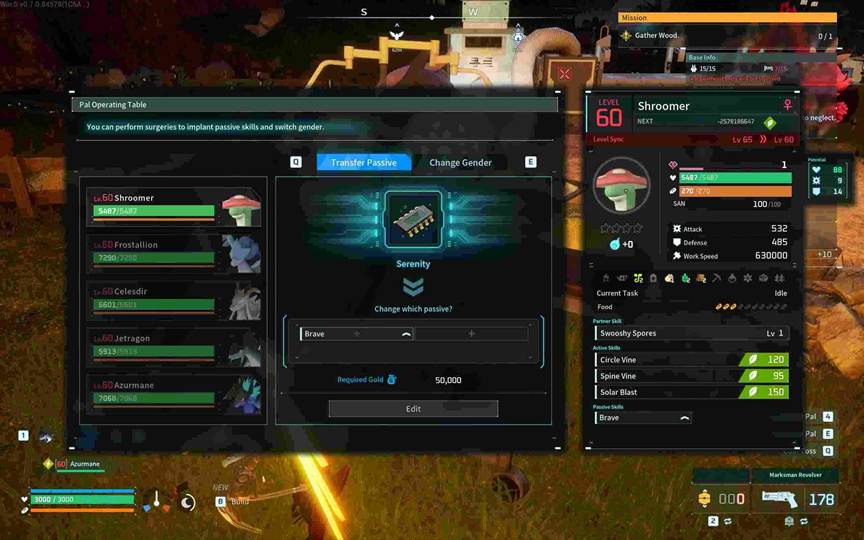
The Pal Surgery Table becomes available at player level 36 and immediately signals its intent as a late-midgame tool rather than an endgame luxury. Once built in a base, the table grants access to a fixed set of baseline implants without requiring exploration, quests, or vendor interaction. These default passives cover foundational roles such as hunger management, sanity control, mobility, and non-lethal utility, ensuring every player gains meaningful value from the structure the moment it is placed.
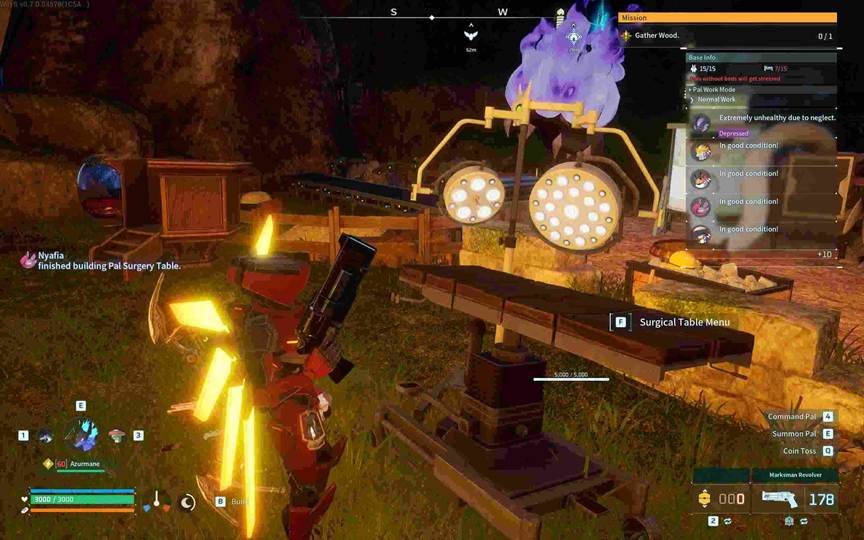
Beyond the built-in options, the system expands through external implants that must be earned rather than crafted. These implants are permanent unlocks stored as key items once acquired, meaning each purchase is an account-wide progression step rather than a consumable gamble. This design choice reinforces the Surgery Table as a long-term investment that grows in power alongside the player.
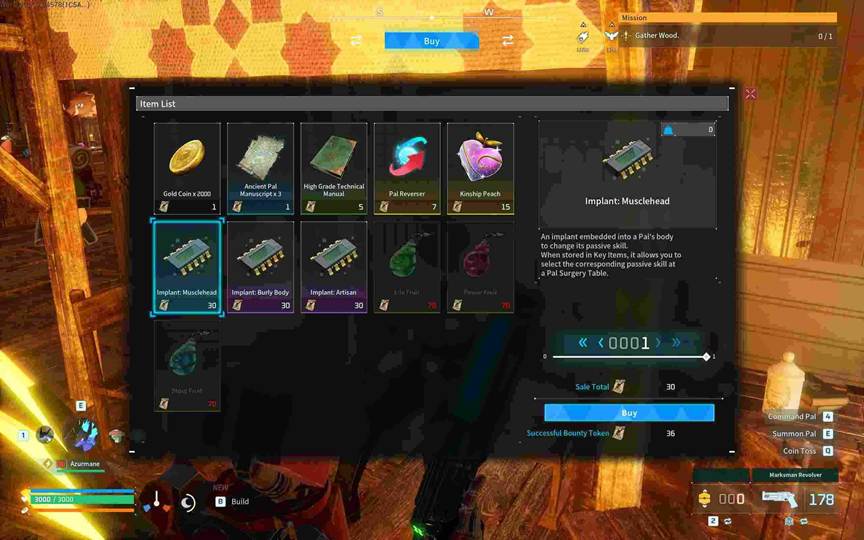
There are currently six implants that cannot be obtained passively. Three are sold by Bounty Officers for Bounty Tokens, while the remaining three are sold by the Arena Merchant for Battle Tickets. This split deliberately ties the most impactful combat and movement passives to active gameplay loops rather than passive accumulation, nudging players toward bounties and arena fights they might otherwise ignore.
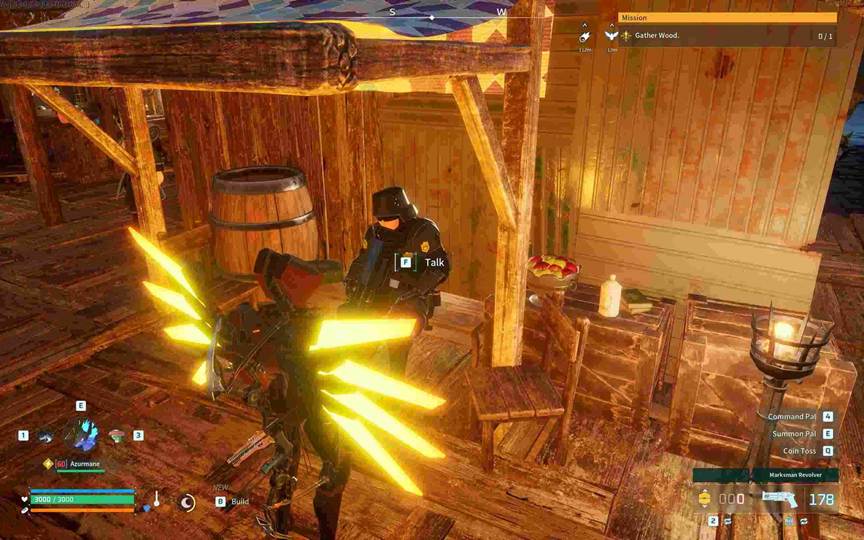
Acquire the critical implants
Among the purchasable implants, Musclehead, Artisan, and Burly Body define the combat and productivity ceiling of the system. Musclehead dramatically boosts attack at the cost of work speed, making it ideal for dedicated combat Pals while being actively harmful on base workers. Artisan sits at the opposite end of the spectrum, offering a massive work speed increase that can instantly elevate otherwise average base Pals into efficient specialists.
Arena-exclusive implants introduce a different axis of power. Serenity reduces skill cooldown pressure, Infinite Stamina reshapes long-distance traversal and sustained sprinting, and Runner offers raw movement speed. These implants are not flashy in isolation, but they dramatically alter how mounts, fighters, and exploration Pals feel in motion-heavy activities such as desert traversal, bounty farming, or large-base assaults.
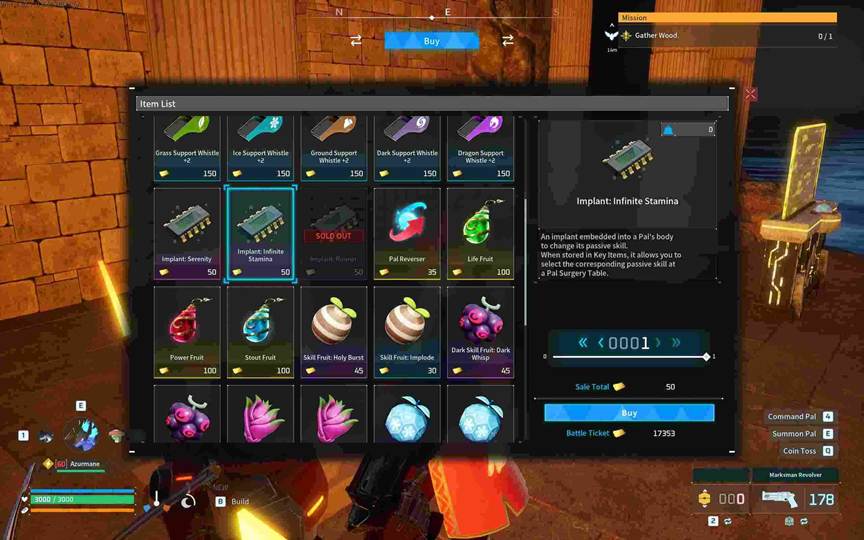
Crucially, Palworld v0.7 does not include rainbow-tier implant passives. Despite rumors and modded footage circulating in the community, there is currently no legitimate way to implant legendary or rainbow passives through the Surgery Table. This limitation preserves a ceiling on surgical optimization and ensures that breeding still retains relevance at the absolute top end of Pal performance.
Replace breeding bottlenecks
The most transformative effect of implants is their impact on breeding strategy. Prior to v0.7, assembling a functional army of combat Pals often required multiple parallel breeding projects to account for cooldown-focused builds versus raw damage builds. With implants, a single Pal can now be reconfigured on demand by swapping passives such as Serenity and Musclehead depending on the encounter.
This flexibility extends to large-scale breeding operations. Instead of waiting for ideal passive combinations to emerge naturally, players can breed for structural traits like species, IVs, or elemental coverage, then normalize the resulting Pals by injecting shared passives such as Philanthropist or Nocturnal. The result is a faster, more predictable breeding pipeline that dramatically reduces downtime.
For base management, implants allow players to retrofit captured Pals rather than discarding them. Adding Artisan or Serious to otherwise unremarkable workers can stabilize early production chains, while Diet Lover and Dainty Eater reduce food strain during leveling phases when resources are tight. The Surgery Table effectively turns “good enough” Pals into viable assets without rerolling the entire roster.
Adapt Pals on demand
Beyond optimization, the Surgery Table enables reactive gameplay decisions. Passives such as Mercy Hit can be added temporarily for specific farming targets, then removed once the task is complete. Movement-focused implants can be swapped in before long expeditions and removed afterward, allowing a single mount to serve multiple roles without permanent commitment.
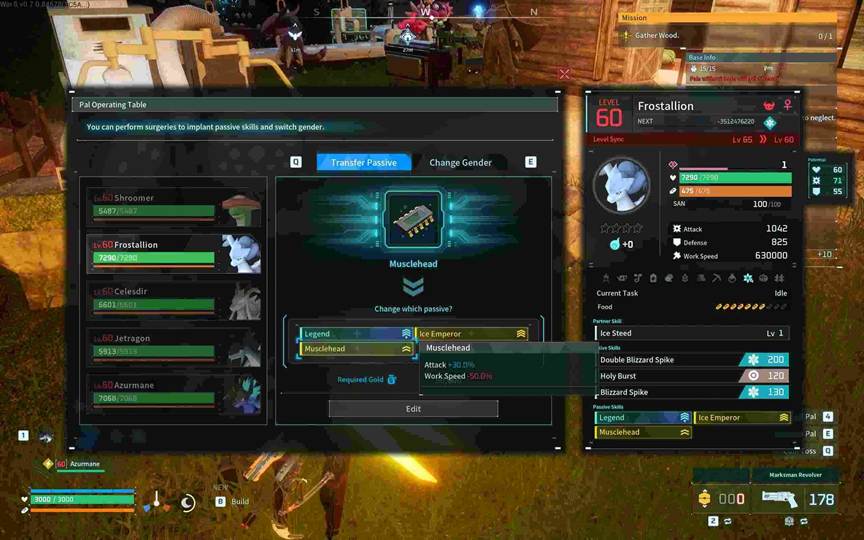
The system also supports gender control through the Pal Reverser item, which allows players to change a Pal’s gender directly at the Surgery Table. This feature addresses one of Palworld’s most persistent breeding frustrations, particularly for species with extreme gender imbalances. While Pal Reversers must still be acquired through enemy camps or salvaging, their integration into the table completes the loop of surgical control.
Taken together, implants reposition Palworld’s progression philosophy. Instead of forcing players to commit permanently to early breeding decisions, v0.7 introduces controlled malleability. The Surgery Table does not eliminate breeding, nor does it trivialize optimization, but it reframes both as systems of adjustment rather than attrition. In the broader context of Palworld’s path toward 1.0, implants represent a clear step toward player agency over probability, without abandoning the game’s survival-driven identity.