
How to Transport Fluids in Satisfactory
Getting Started with Fluid Transport
In Satisfactory, transporting fluids involves either using pipelines or leveraging the power of packaging and conveyors.

Packagers
The Packager is your go-to building for turning fluids into convenient, transportable packages. Located in Tier 5 of the Alternative Fluid Transport tech tree, the Packager is essential for anyone looking to streamline their fluid logistics.
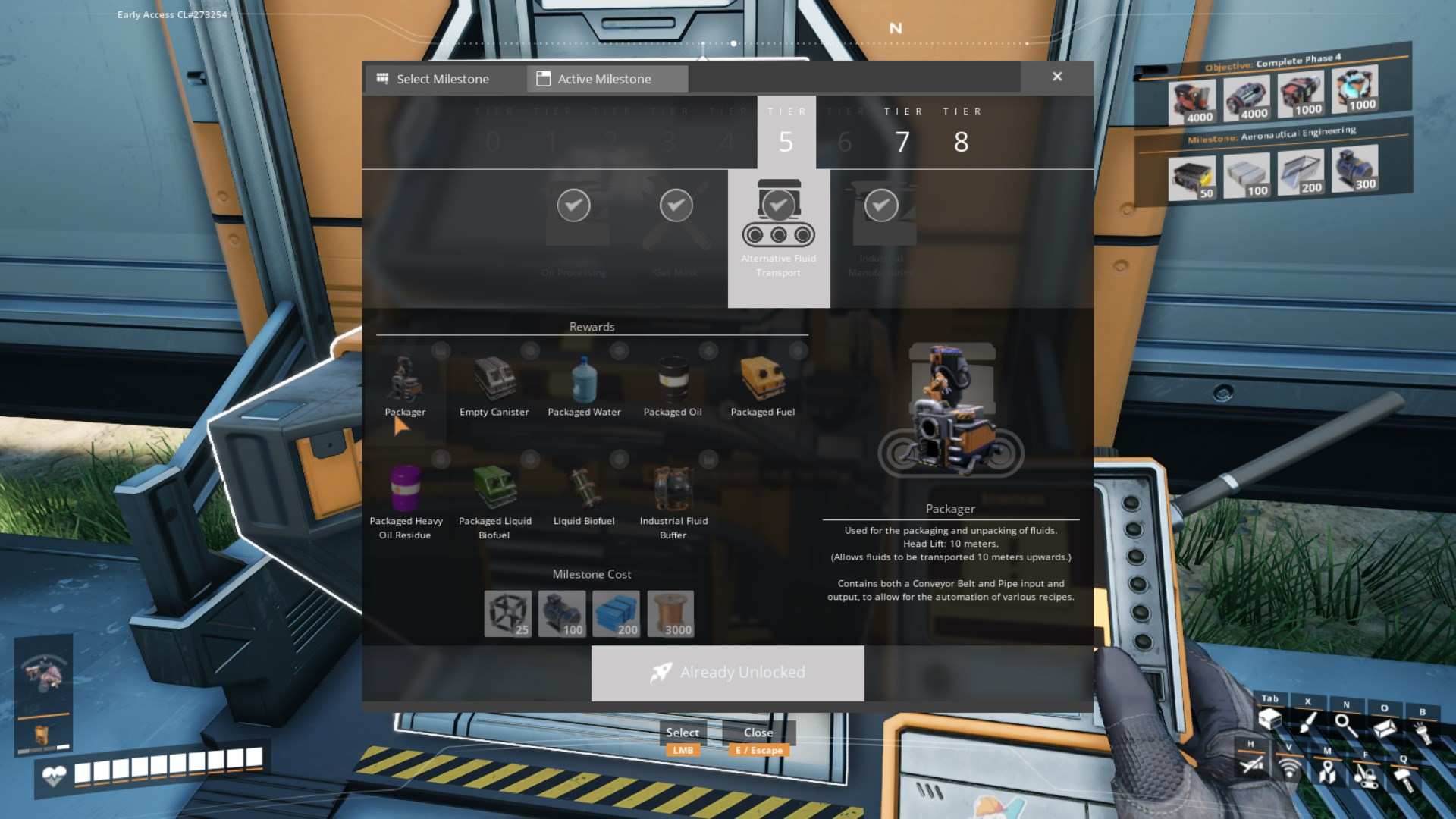
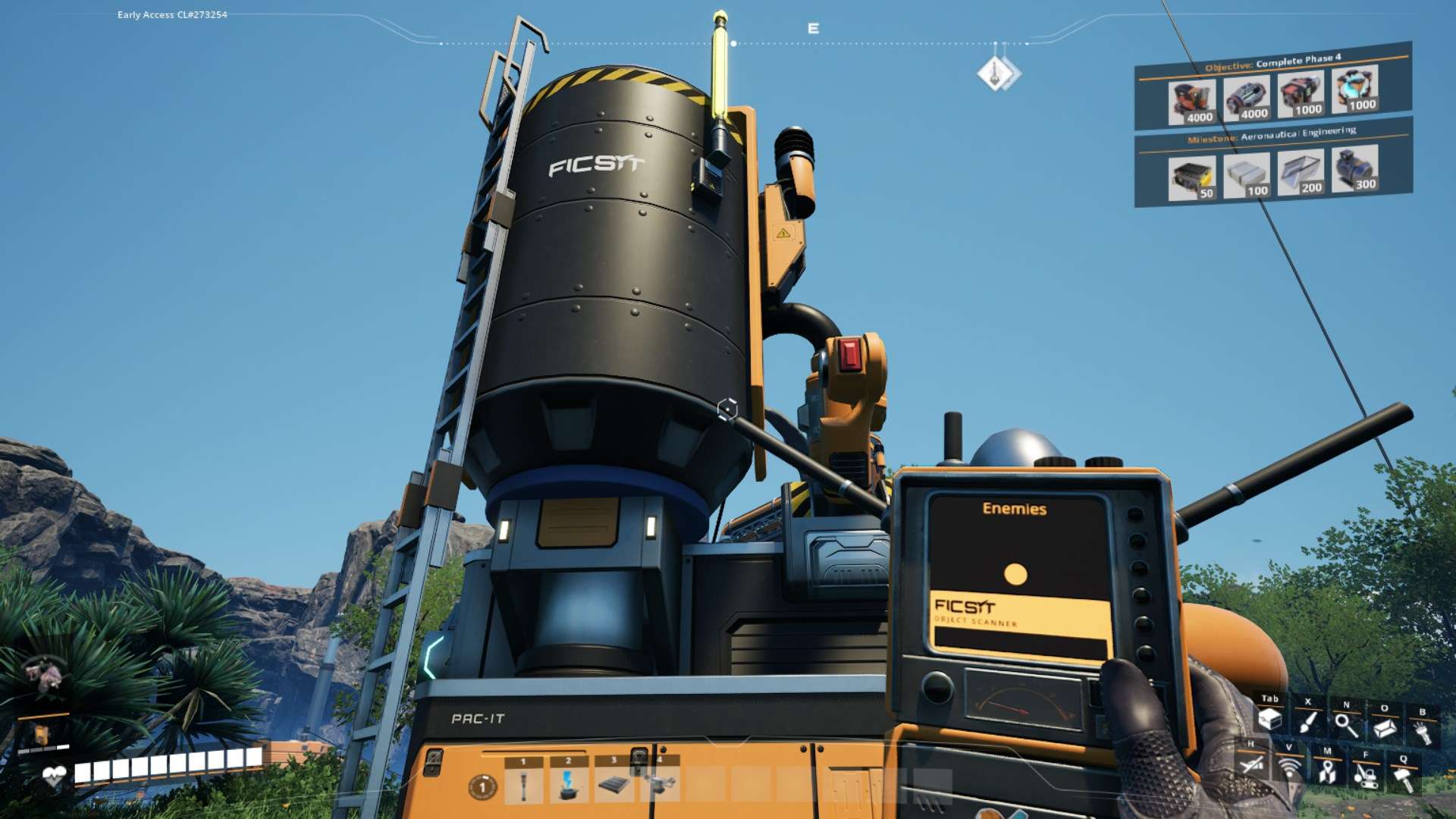
It features an input and output for both pipelines and conveyor belts, allowing you to automate the process of packaging and unpackaging fluids into Empty Canisters or Empty Fluid Tanks. With a power consumption of 10 MW, it’s a bit of a power hog, but it’s worth it for the convenience. You can even overclock the Packager to speed up its operations, but remember, the higher the speed, the more power it draws.
Recipes and Efficiency
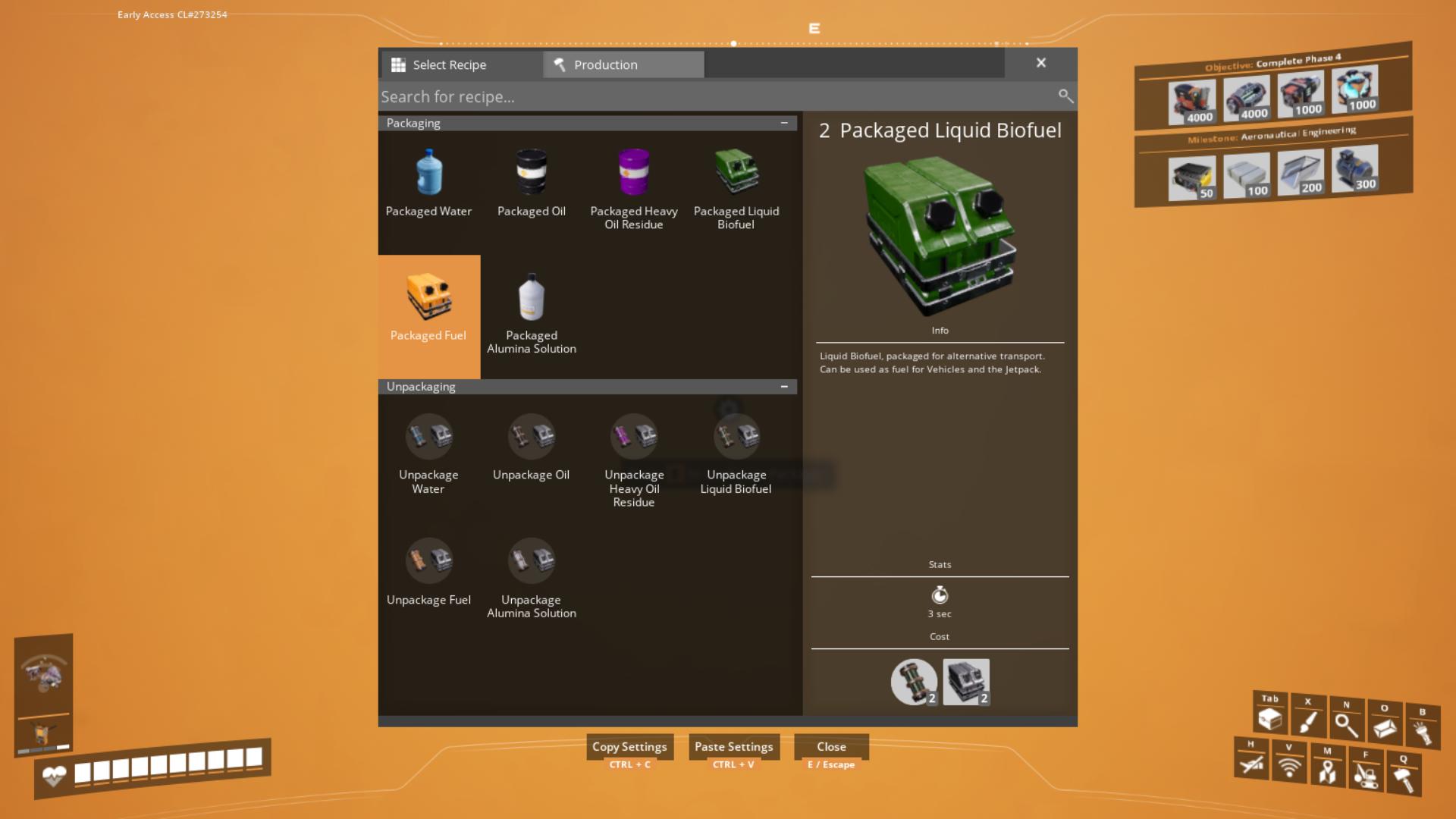
The Packager can handle a variety of recipes. For example, it can package Alumina Solution, Fuel, and even Nitric Acid. Each recipe has its own processing time and product output, so choose wisely based on your needs. For instance, packaging Water or Fuel is relatively quick compared to more complex fluids like Turbofuel, which takes longer to package.
Vertical Fluid Transport
When it comes to transporting fluids vertically, you have a couple of options. The Packager can be a more efficient choice compared to Pipeline Pumps, but this only holds true for very large vertical distances. Here’s a quick way to figure out if using Packagers is worth the effort:
1. Calculate the Number of Packagers Needed: Determine how many Packagers you need by dividing the pipeline flow rate by the package rate of the fluid.
2. Energy Costs: Assess the energy required by the Packagers (10 MW each) and compare it to the energy consumption of Pipeline Pumps.
3. Break-Even Point: Use the formula to calculate the vertical height where Packagers become more efficient than Pipeline Pumps. The smallest break-even point is around 240 meters—so if your vertical transport needs exceed this, Packagers might be the way to go.
Head Lift Considerations
Head lift is crucial when moving fluids vertically. It represents how high fluids can rise within a pipe. For instance, most buildings provide a head lift of 10 meters, but this can vary. Using pumps is essential for surpassing these limits.
- Mark 1 Pumps: Provide a 20-meter head lift.
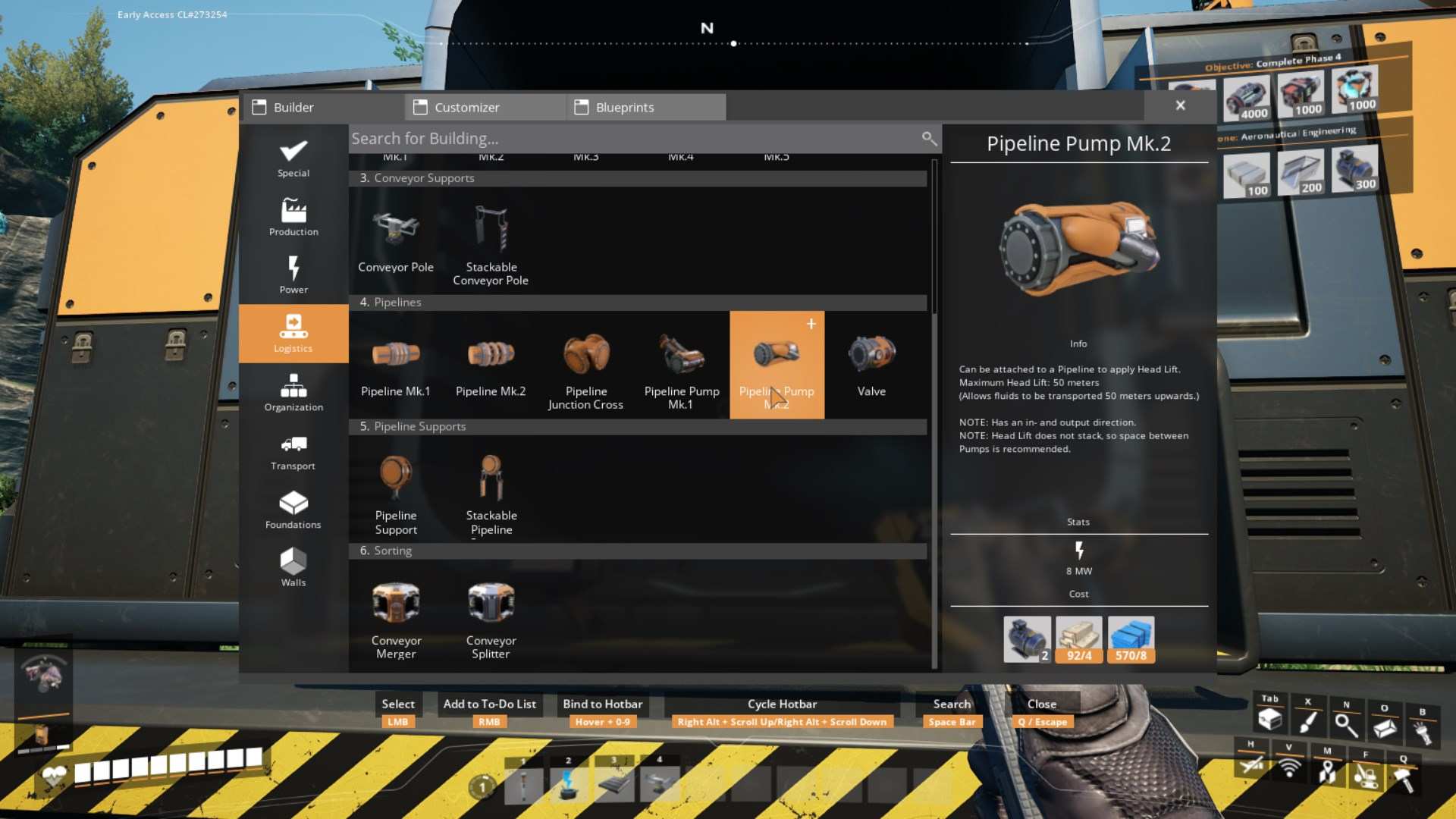
- Mark 2 Pumps: Offer up to 50 meters.
Pumps are perfect for getting fluids to higher elevations and can be placed directly onto pipes or walls. For extremely high lifts, you can stack pumps or use multiple ones to achieve your desired height.
The Power of Packaging
Packaging fluids into canisters or tanks and then transporting them via conveyor belts can be a game-changer. This method reduces the need for extensive pipeline infrastructure and can be more energy-efficient for large vertical distances. Just remember, you’ll need to unpack the fluids at the destination, so factor that into your planning.

For those looking to get creative, consider using trains for transporting fluids. They add a cool factor to your factory’s logistics but can be expensive. Additionally, creating a loop using pipes and fluids for vertical movement can save on pump costs. This method, similar to a water tower, allows you to leverage gravity for efficient fluid transport.
Managing fluid transport in Satisfactory improves your factory’s efficiency. Using Packagers for smooth fluid movement and pumps for vertical transport is crucial for optimizing your setup. Learn how to use these tools effectively to enhance your factory operations.