
How to summon Raid Boss Hartalis in Palworld v0.7 update
Palworld v0.7 reframes raid content around intentional preparation rather than accidental discovery, and Hartalis is the clearest example of that shift. Unlike world bosses that appear organically through exploration, Hartalis exists entirely behind a ritualized summoning flow that forces players to engage with expeditions, crafting, and base planning before combat even begins. Summoning the boss is not difficult, but it is deliberately gated, and misunderstanding those gates is the most common reason players believe the raid is bugged or unavailable.
Collect the Hartalis slab
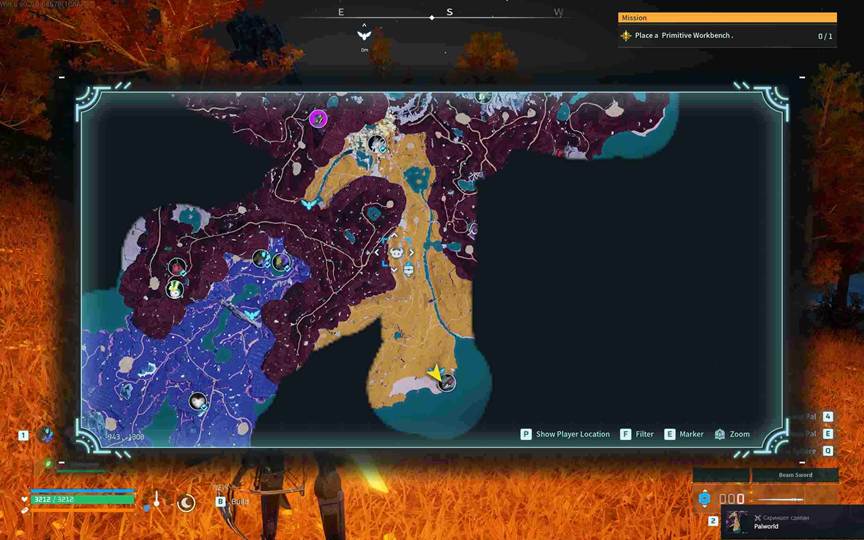
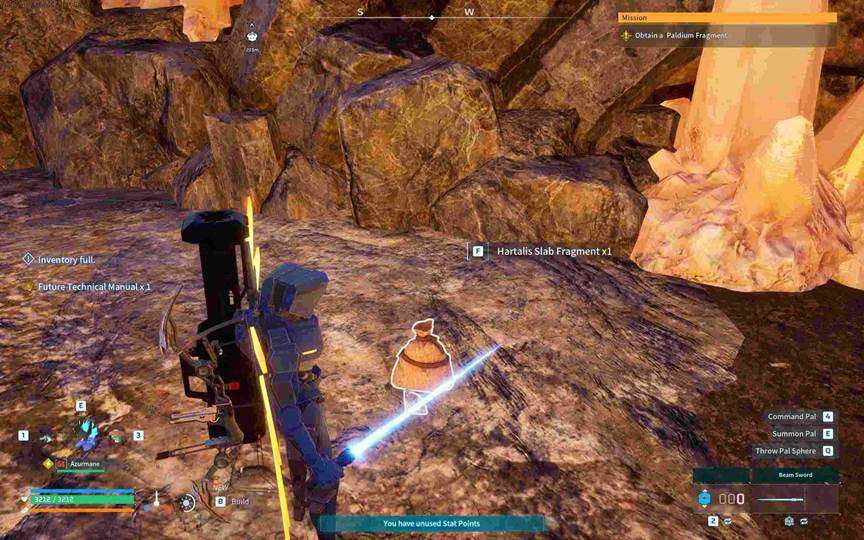
The Hartalis encounter begins with slab fragments rather than the altar itself. Hartalis Slab Fragments are not tied to a single fixed location, which reinforces the update’s emphasis on repeated mid-to-late-game activities instead of one-off discoveries. Players primarily encounter these fragments as rewards from higher-tier Expeditions, particularly those associated with Sakurajima and Feybreak routes, where raid-related materials are folded into the reward pool.
Dungeon and large enemy-base chests also act as secondary acquisition paths. These sources are intentionally inconsistent, offering fragments alongside other slab types and rare materials, which means farming Hartalis access is a probabilistic process rather than a guaranteed loop. The system mirrors earlier raid slabs but increases reliance on ongoing content rather than static farming routes.
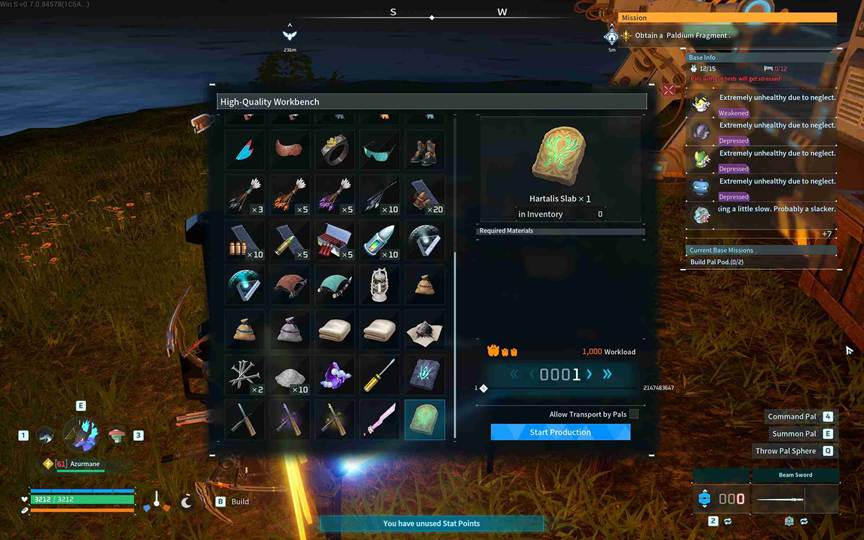
Once four fragments are collected, they must be combined into a Hartalis Slab at a workbench or production line. The crafting step is slow enough to matter, reinforcing the need for reliable handiwork Pals and a functioning base economy. This is the point where preparation becomes irreversible, as slabs are single-use items consumed upon summoning.
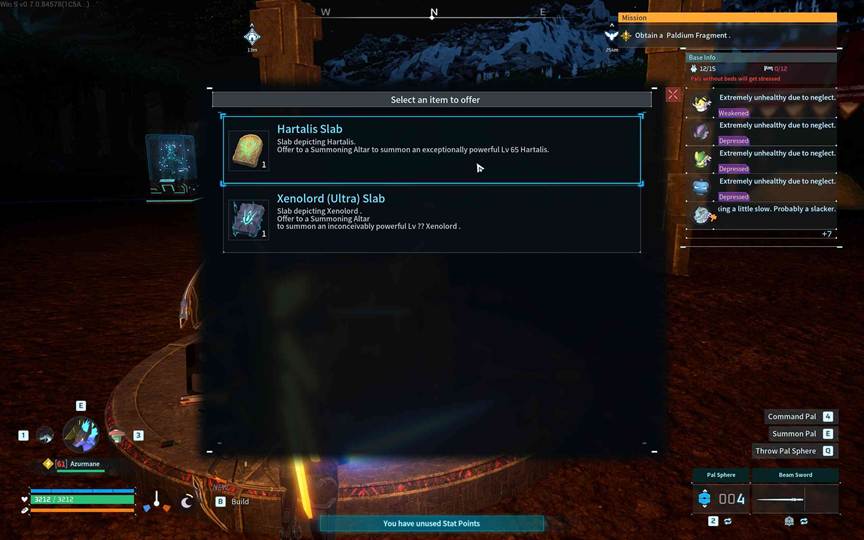
The slab itself functions as a commitment token. Offering it does not immediately start combat, but it does lock the player into the raid flow, making timing and readiness more important than raw possession of materials.
Build the Summoning Altar
Summoning Hartalis requires a Summoning Altar, a structure unlocked through the Technology tree earlier than the raid itself. Although the altar is inexpensive compared to endgame crafting stations, it is deliberately single-use per summon, meaning each raid attempt consumes both the slab and the altar.
The altar must be placed within a base, but v0.7 introduces an important choice at the moment of activation. Players can summon Hartalis either directly at their base or within a dedicated Raid Area. This distinction fundamentally changes the encounter, as base summons risk structural damage while Raid Areas isolate the fight from permanent constructions.
Raid Areas also impose unique constraints. Players are allowed to bring building materials, but construction options are limited, preventing the creation of permanent rescue setups or exploitative structures. This design eliminates earlier raid metas that relied on mid-fight rebuilding and forces teams to rely on pre-selected Pals rather than reactive infrastructure.
After offering the slab, a short preparation window begins. During this time, players can assign Pals via the Palbox, consume food buffs, and finalize positioning. Once the timer expires or the summon is triggered manually, the encounter becomes fully locked in.
Trigger the raid encounter
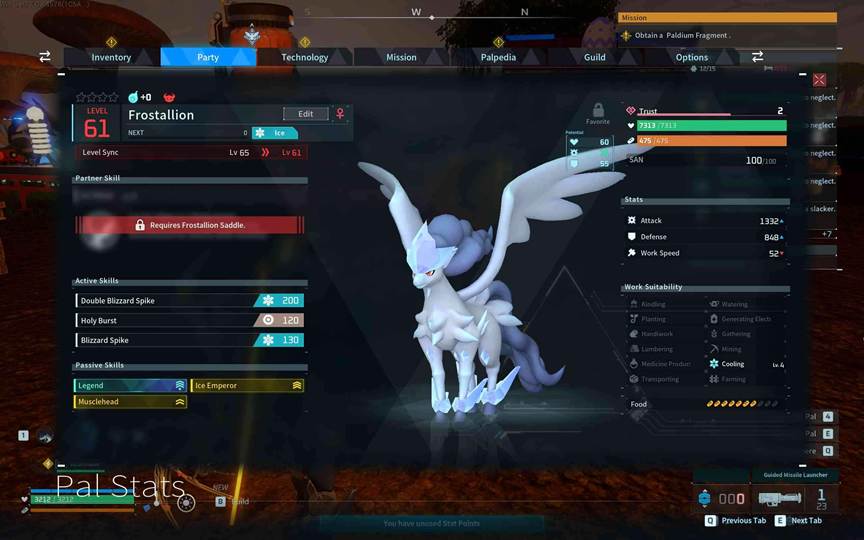
Activating the altar transitions the game into raid mode rather than immediately spawning Hartalis. This phase is critical because it defines which Pals are eligible to participate. Only Pals assigned through the Palbox during the preparation window will enter the fight, and defeated Pals cannot currently be rescued mid-raid under v0.7 rules.
When Hartalis appears, the game treats the encounter as a multi-phase raid rather than a single boss fight. Even at the summoning stage, the UI signals this intent through timers, warnings, and the removal of normal base interactions. The encounter space itself is intentionally uneven, with elevation changes that affect movement and targeting.
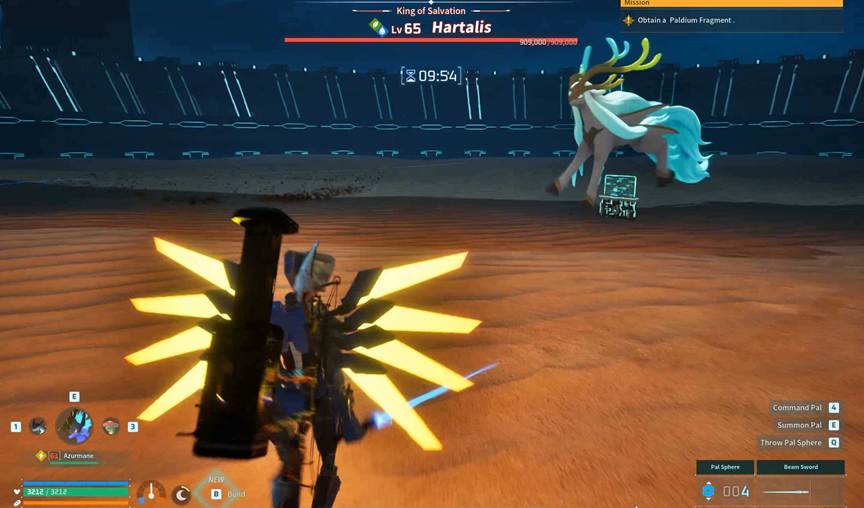
Failure does not always mean total loss. Players can respawn within the arena, but forfeiting the raid consumes the slab without reward. This creates a tension between persistence and efficiency, especially for first-time attempts where mechanics are still being learned.
Defeating Hartalis rewards an egg rather than a capture opportunity. The hatched Pal is a non-raid version, reinforcing the idea that raid bosses are progression milestones rather than repeatable capture farms.
Summon variants
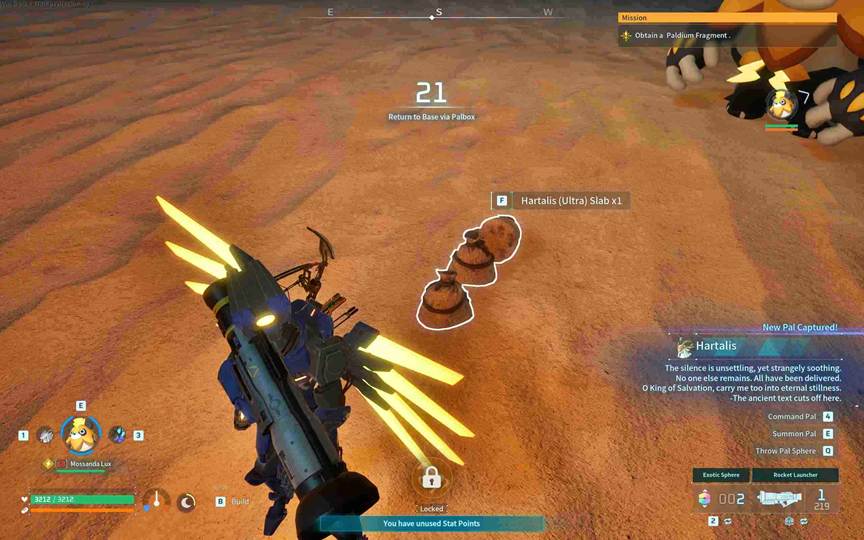
Defeating the standard Hartalis raid unlocks a secondary layer of summoning rather than closing the loop. The boss can drop a Hartalis Ultra Slab, which functions as a gateway to a significantly harder variant of the encounter. This mirrors the structure used for previous ultra raids but raises the mechanical demands considerably.
Ultra Hartalis is summoned through the same altar process, but its slab cannot be crafted directly. Instead, it exists as a reward for mastering the base encounter. This ensures that players engaging with the ultra version have already demonstrated competence with the core mechanics.
The presence of multiple summon tiers changes how players approach preparation. Rather than optimizing solely for damage, successful summoning strategies emphasize flexibility, elemental coverage, and cooldown management, as later phases demand specific responses rather than raw output.
In this way, Hartalis is less about discovering a hidden boss and more about learning a system. The summoning process itself teaches players how Palworld’s raid design has evolved in v0.7, prioritizing deliberate setup, controlled environments, and repeatable mastery over spontaneous encounters.