
How to sleep in Rust
Sleeping is a vital aspect of survival in the brutal world of Rust. Knowing how to sleep properly can greatly benefit your gameplay and increase your chances of staying alive. In this article, we will explore the various methods of sleeping in Rust and discuss their effects and associated dangers.
Sleeping bags and beds
Crafting a sleeping bag or bed is straightforward. When you quit the game or disconnect, your character automatically goes to sleep. Beds and sleeping bags act as spawn points, providing no resting benefits.
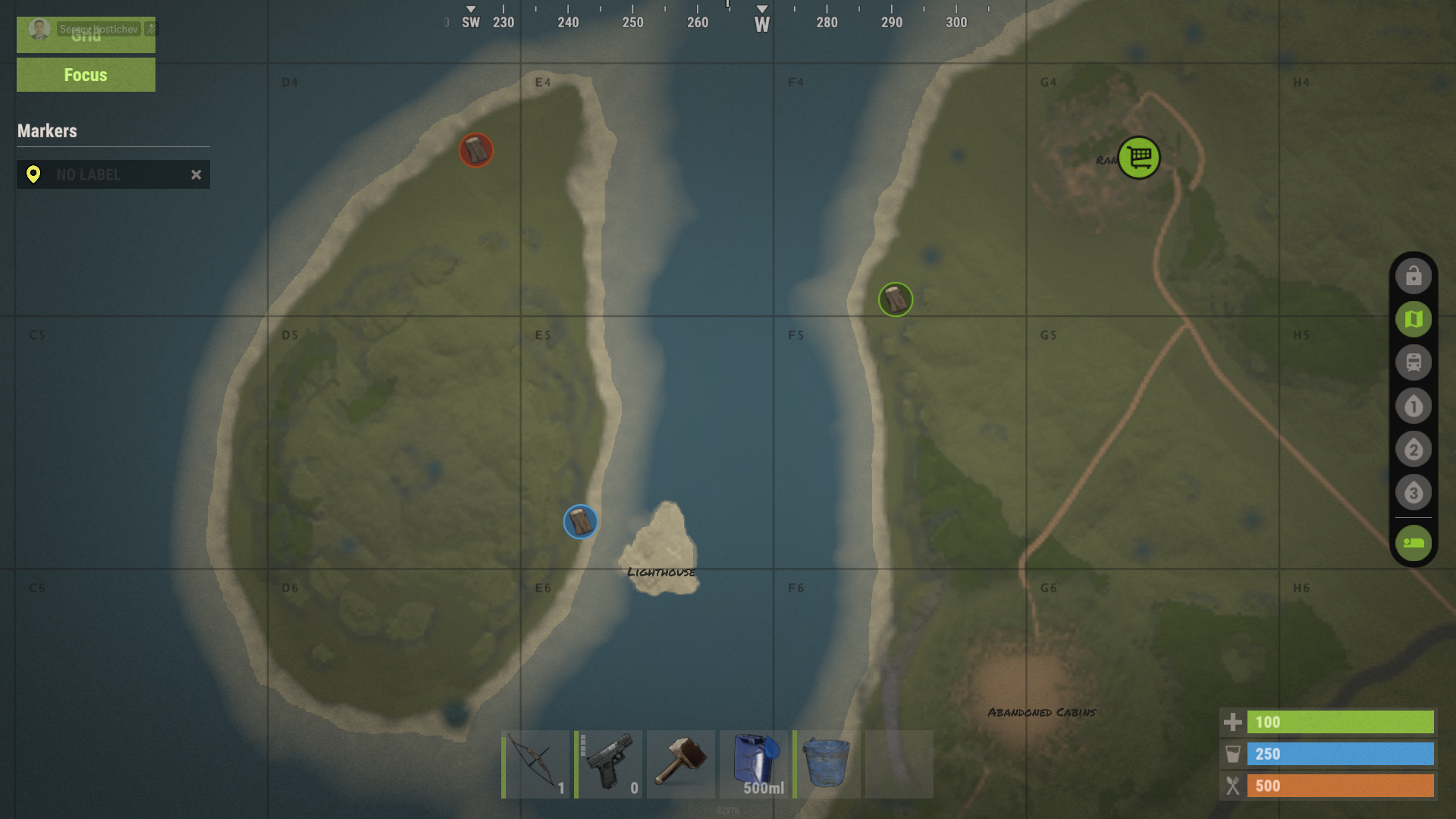
There are two types of resting and respawn points: sleeping bags and beds. Sleeping bags require 30 cloths to craft but have a 5-minute cooldown.
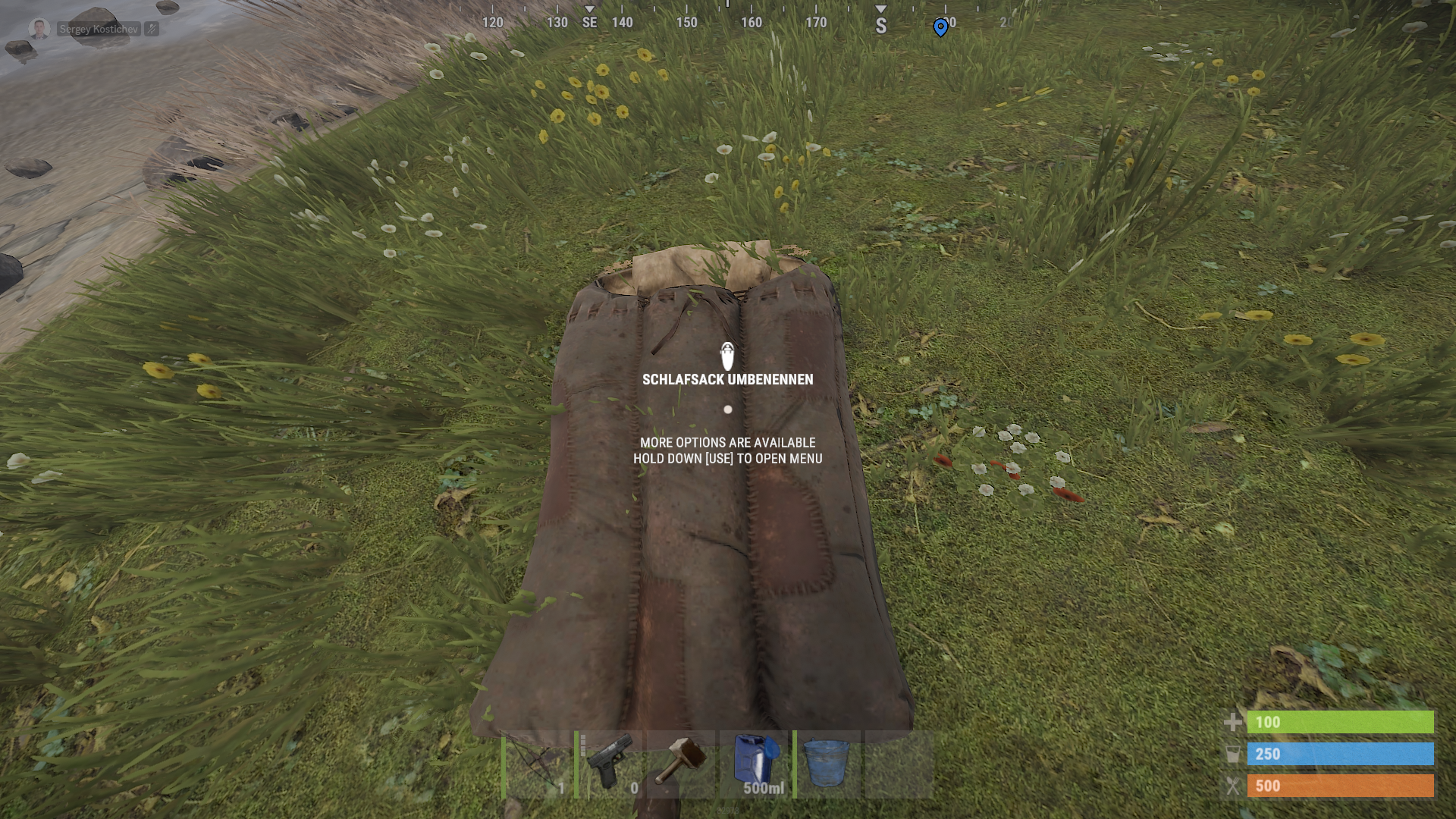
Beds have a shorter 2-minute cooldown and are more convenient during base raids. To craft a bed, you need to have 60 units of cloths, 100 metal fragments and 2 sewing kits.
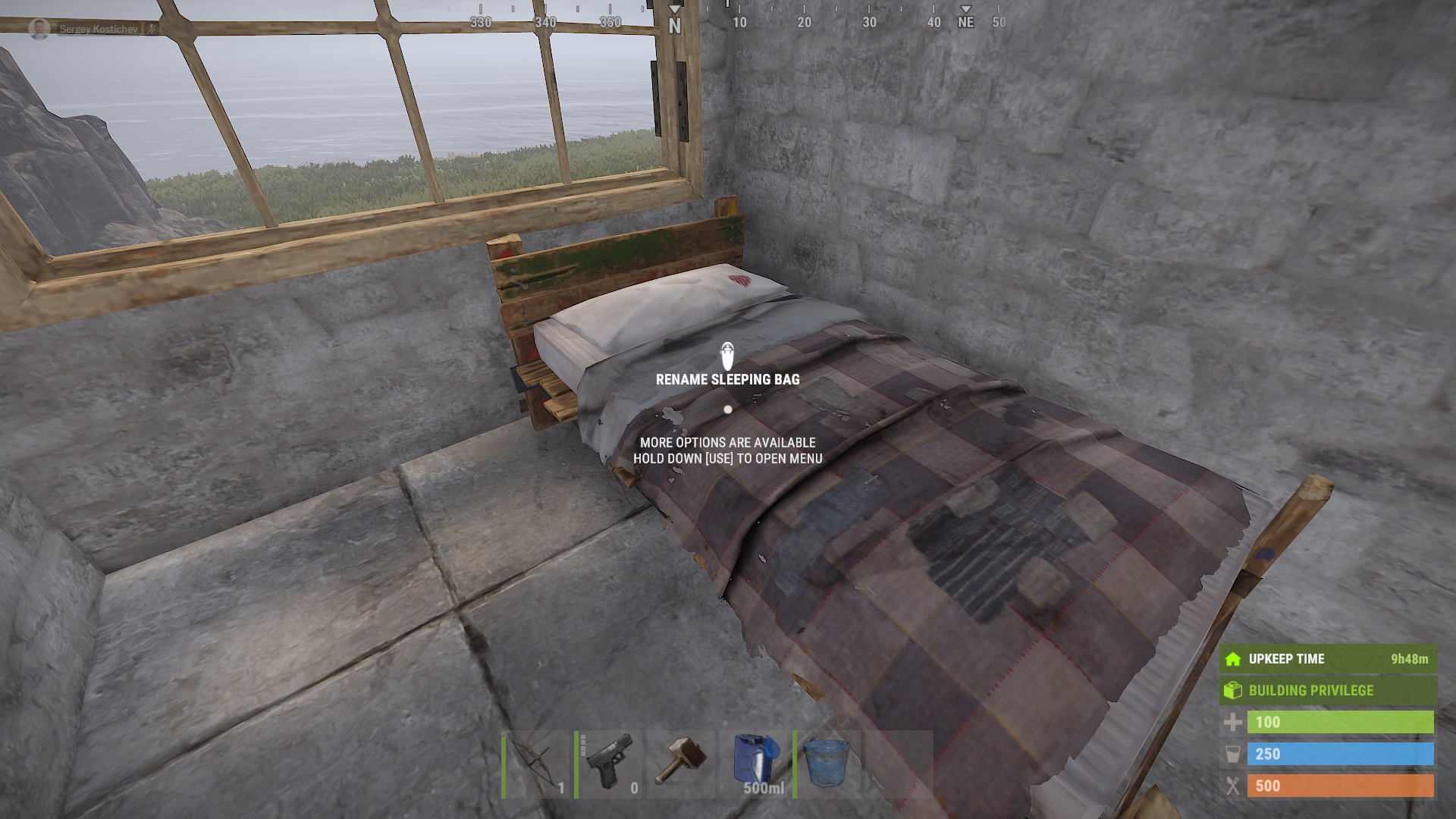
Unsafe sleeping
Sleeping in Rust conserves food and water resources. While asleep, hunger and thirst don't increase. This is useful in demanding environments like arctic or desert biomes.
However, sleeping exposes you to risks. Others can access your inventory and wildlife can attack while you sleep. Sleep indoors or outside with no valuables.
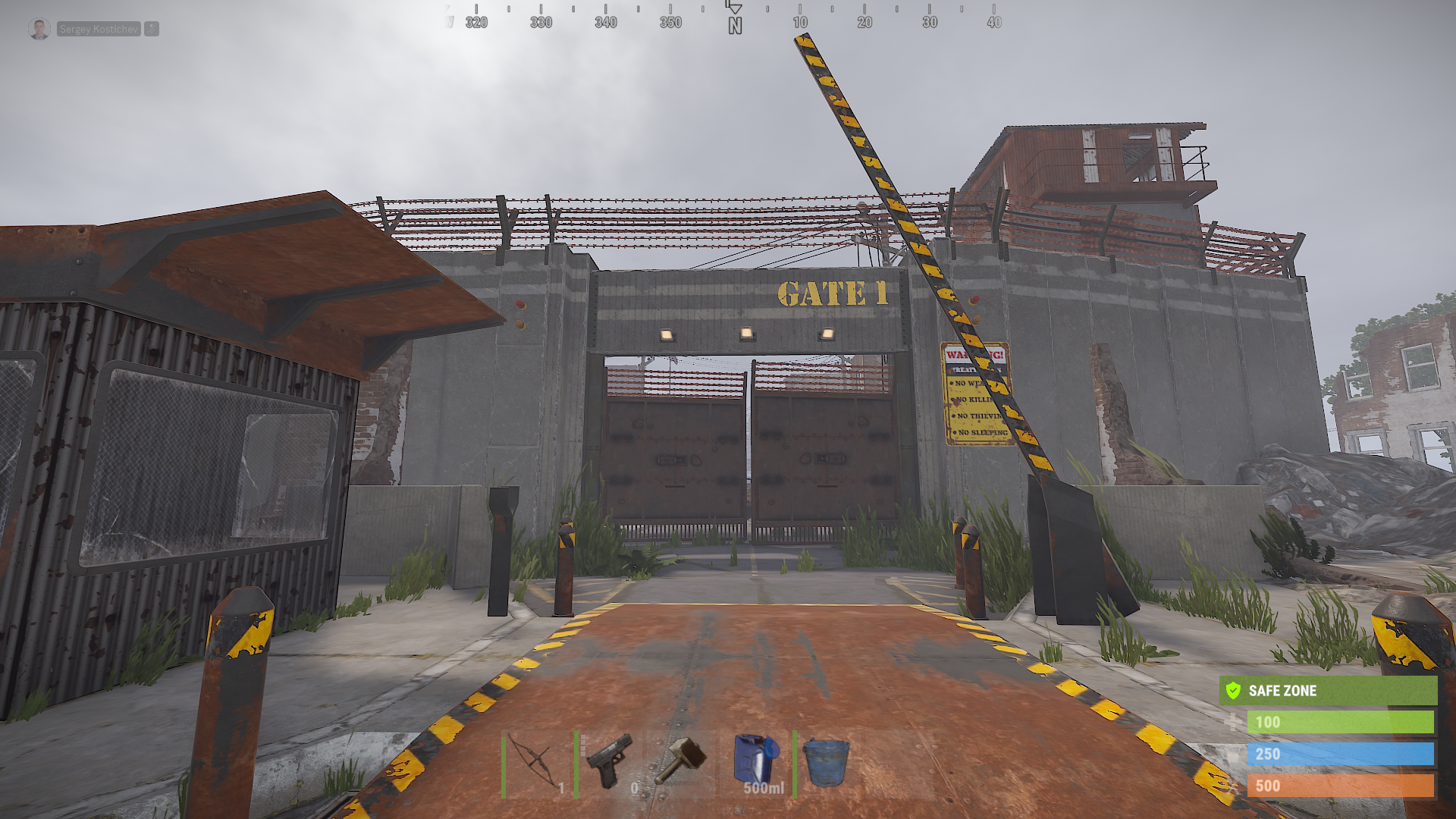
Certain areas like Outpost and Bandit Camp prohibit sleeping to prevent exploitation. Be aware of these restrictions. Sleeping players aren't targeted by the Patrol Helicopter when disconnected. However, safe zones are exceptions.
Conclusion
There are three ways to sleep: logging in, logging out, and respawning. Logging in initiates sleep but disables interaction. Logging out triggers automatic sleep. Upon respawning, choose a random beach or your sleeping bag/bed.
Understanding the mechanics and risks of sleeping in Rust is crucial for survival. By utilizing different sleeping options effectively and being cautious of potential dangers, you can optimize your gameplay experience in this challenging game.