
How to get Wildflowers for dyes and bees in Minecraft Spring to Life
If you’ve ever wished your Minecraft meadows were just a little more alive, wildflowers are here to make that dream come true. Added in the Spring to Life update, these charming little flowers are more than just eye candy. You can place them in clusters, harvest them instantly, and even use them to grow bee nests. They’re easy to work with and come with a bunch of fun features like dye crafting and bee breeding.
Where to find Wildflowers
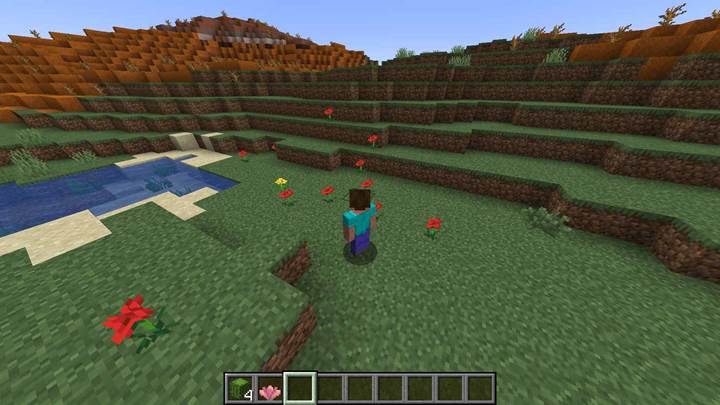
Wildflowers naturally spawn in birch forests, old-growth birch forests, and meadow biomes. When you explore these areas, look for small, low-to-the-ground patches of yellow petals - those are the wildflowers. Each block can hold up to four of them in a little bunch so that some patches look fuller. The best part? You don’t need any tools to collect them. Just walk up and break them by hand, and you’ll get however many were placed in that block.
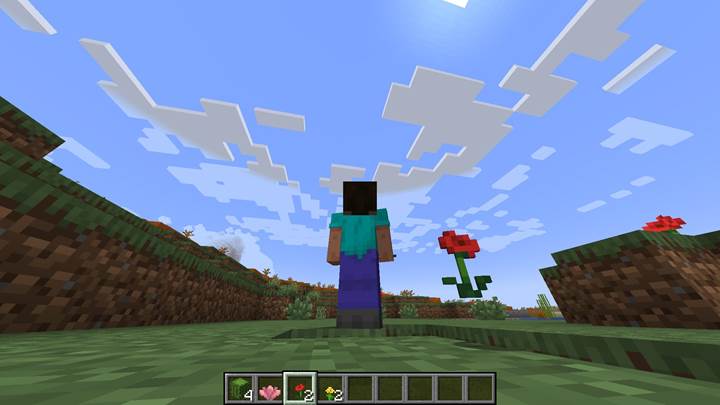
Wildflowers are super fragile, like the dainty things they are. They break instantly with anything - your fist, tools, even if you accidentally touch them with a piston or push another block into their space. They also pop off if the block they’re sitting on gets moved or broken. Basically, treat them like the delicate nature sprites they are. But when you break them, they’ll always drop the exact number of flowers you saw, so if it looked like three wildflowers were on the block, you’d get all three back.
How to place Wildflowers in batches
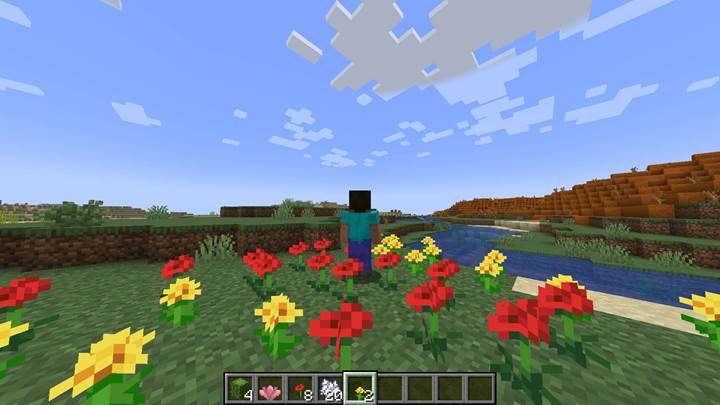
You can place wildflowers on almost any natural block, like grass, dirt, moss, farmland, podzol, and even mud. Each time you place a wildflower on the same block, it stacks up to four times in one spot, changing shape and rotation as you go. This lets you design little clumps that look more natural than single flowers. Perfect for decorating pathways, village gardens, or sunny cliffsides.
Yellow Dye
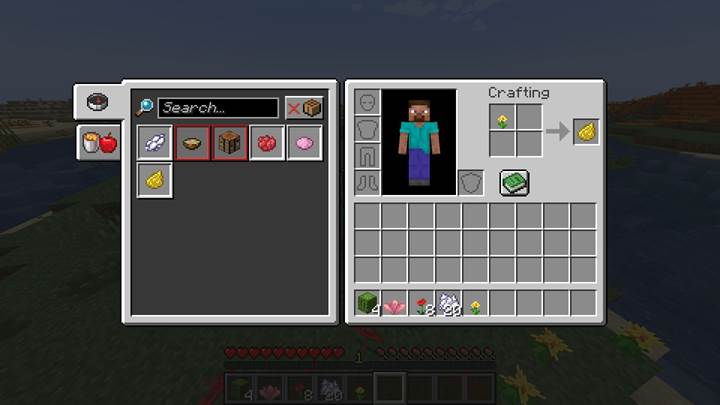
If you need yellow dye, wildflowers have you covered. Just toss one into a crafting table and you’ll get one yellow dye per flower. That’s it - no complex crafting trees, no rare ingredients. It’s one of the easiest dye sources in the game, and it fits perfectly into builds that need bright sunny colors. Plus, with the bone meal method, you can farm a whole stack in just a couple of minutes.
Breeding bees with Wildflowers
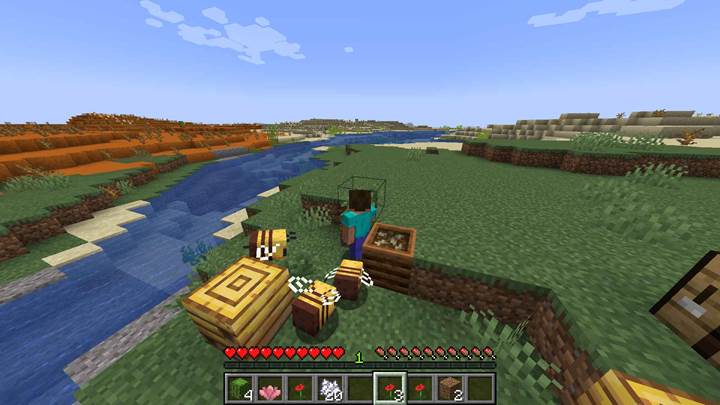
Bees absolutely love wildflowers. If you hold one, bees within six blocks will follow you around like a walking pollen buffet. You can feed wildflowers to two adult bees and they’ll go into love mode, producing a cute little baby bee. They’ll also pollinate wildflowers like they do with any other flower, which means you can keep your bee colonies thriving while making your garden look amazing.
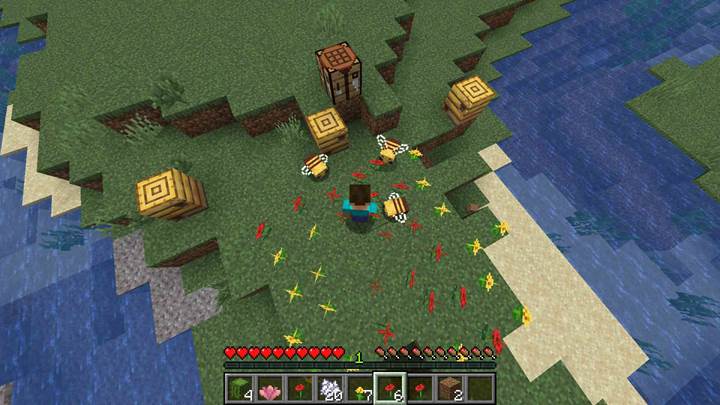
And here’s a fun trick. If you grow oak, birch, or cherry trees with wildflowers nearby - specifically within two blocks - you have a small chance (five percent) that the tree will generate a bee nest and a few bees inside. It’s not guaranteed, but it’s a neat way to get more nests without searching the entire map. Plant a few trees, surround them with wildflowers, and see what grows.
Composting Wildflowers for Bone Meal
Don’t need them for decoration or bees? Toss them in a composter. Each wildflower has a 30% chance to raise the compost level by one, so you’ll usually get a decent bone meal return if you’ve got a stack lying around. It’s not the most efficient compost item, but it’s good for leftovers after decorating or dye crafting.
Building natural gardens
Wildflowers look especially awesome when mixed with new plants from the Spring to Life update, like leaf litter, dried leaves, and dry grass. You can create beautiful overgrown paths, peaceful forest clearings, or colorful hillsides with just a few stacks of bone meal and some wildflower patches. The key is layering and mixing—use different numbers of flowers per block to make it feel wild and unplanned.
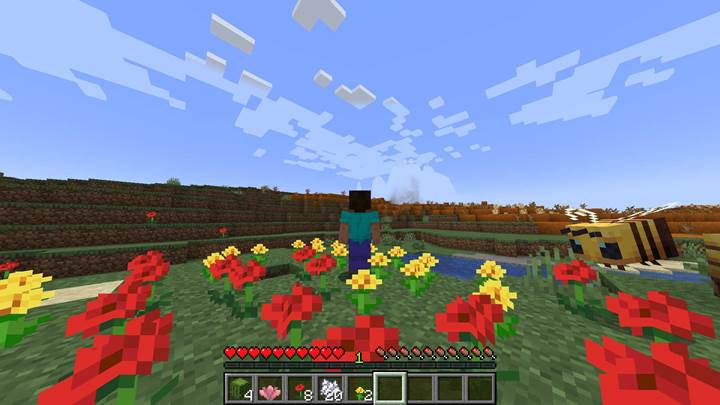
Be careful where you put them. If you place wildflowers on top of mud and then that mud turns into clay, the flowers will break and fall off. The same goes for putting them too close to water or lava - they’ll wash away or burn. Keep them on solid, dry land; they’ll stick around forever, making your buildings look fresh and vibrant.
Wildflowers are one of Minecraft Spring to Life's most cheerful little additions. They’re easy to collect and useful for bees and dyes. So grab some bone meal, plant a few saplings, and let your world blossom.