
How to get Shields in Rust Primitive Update
Shields have finally arrived in Rust, bringing a whole new layer of defense to primitive combat. With modern firearms removed in the Primitive Update, players now rely on bows, crossbows, melee weapons, and siege tools. Shields provide a crucial counterbalance, allowing players to block incoming attacks and create new defensive strategies.
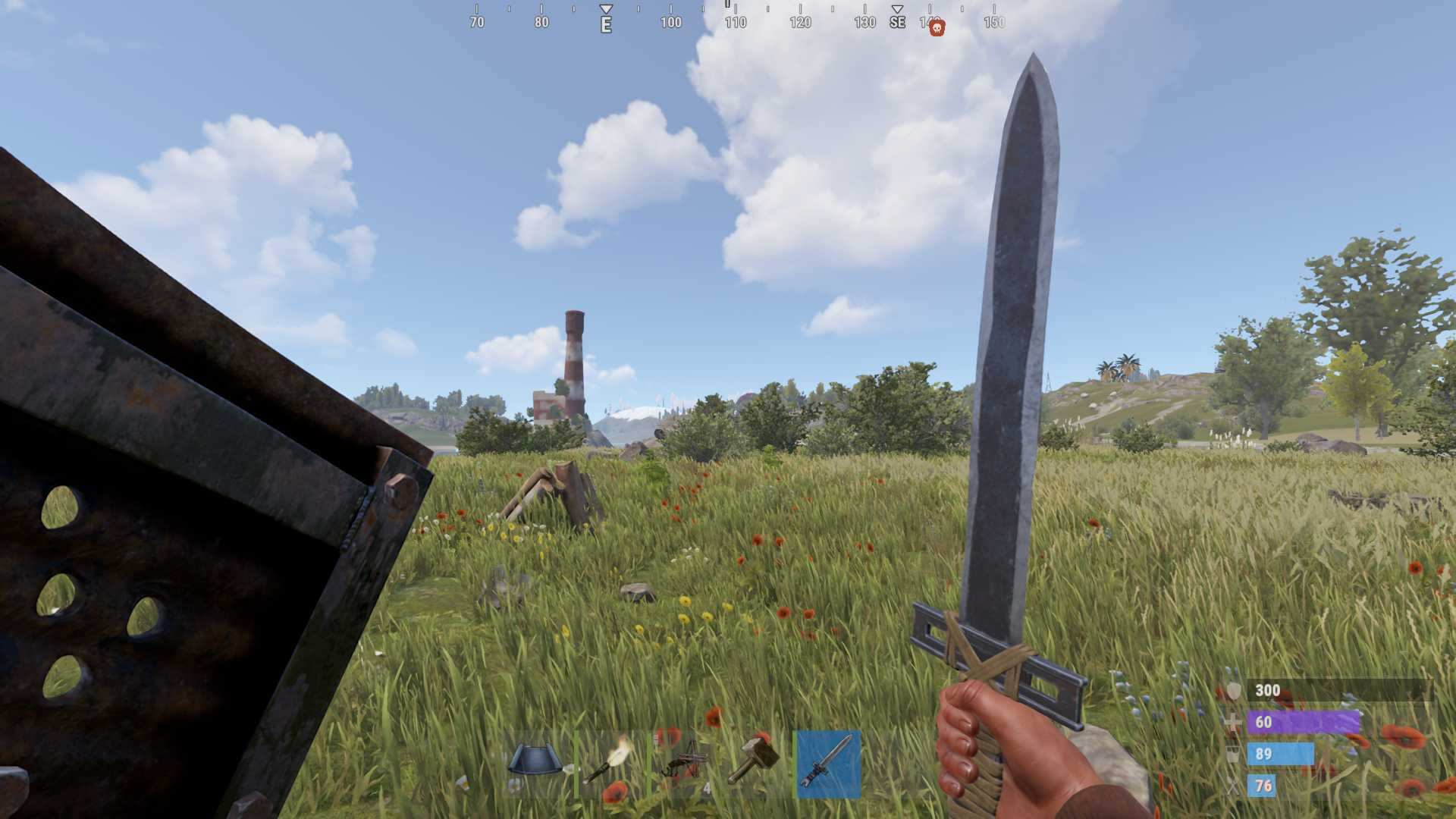
How to Obtain Shields
Getting your hands on a shield is relatively straightforward. The three shield variants - Wooden Shield, Reinforced Wooden Shield, and Metal Shield - can be crafted through the tech tree or found in lootable crates across the map.
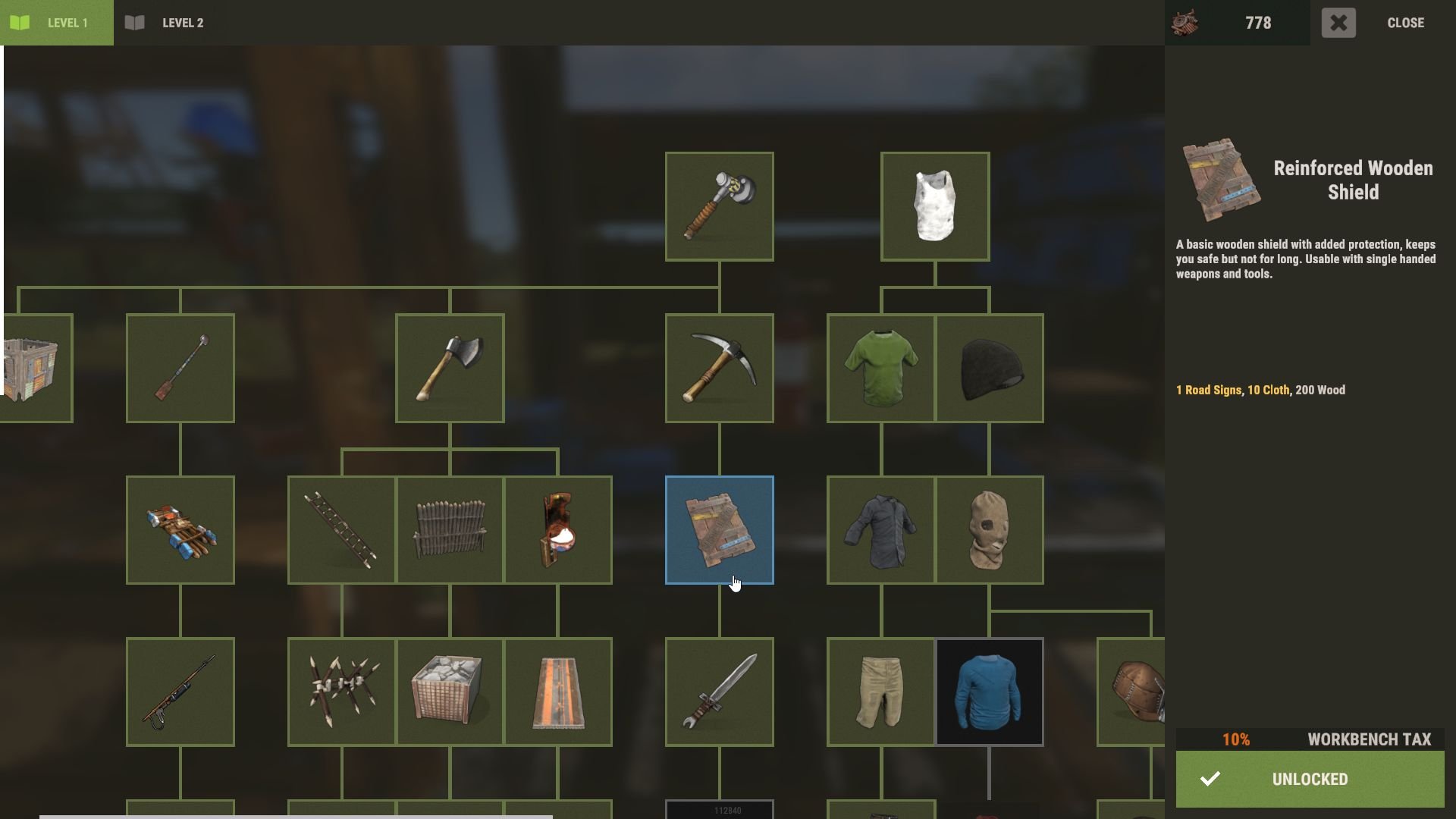
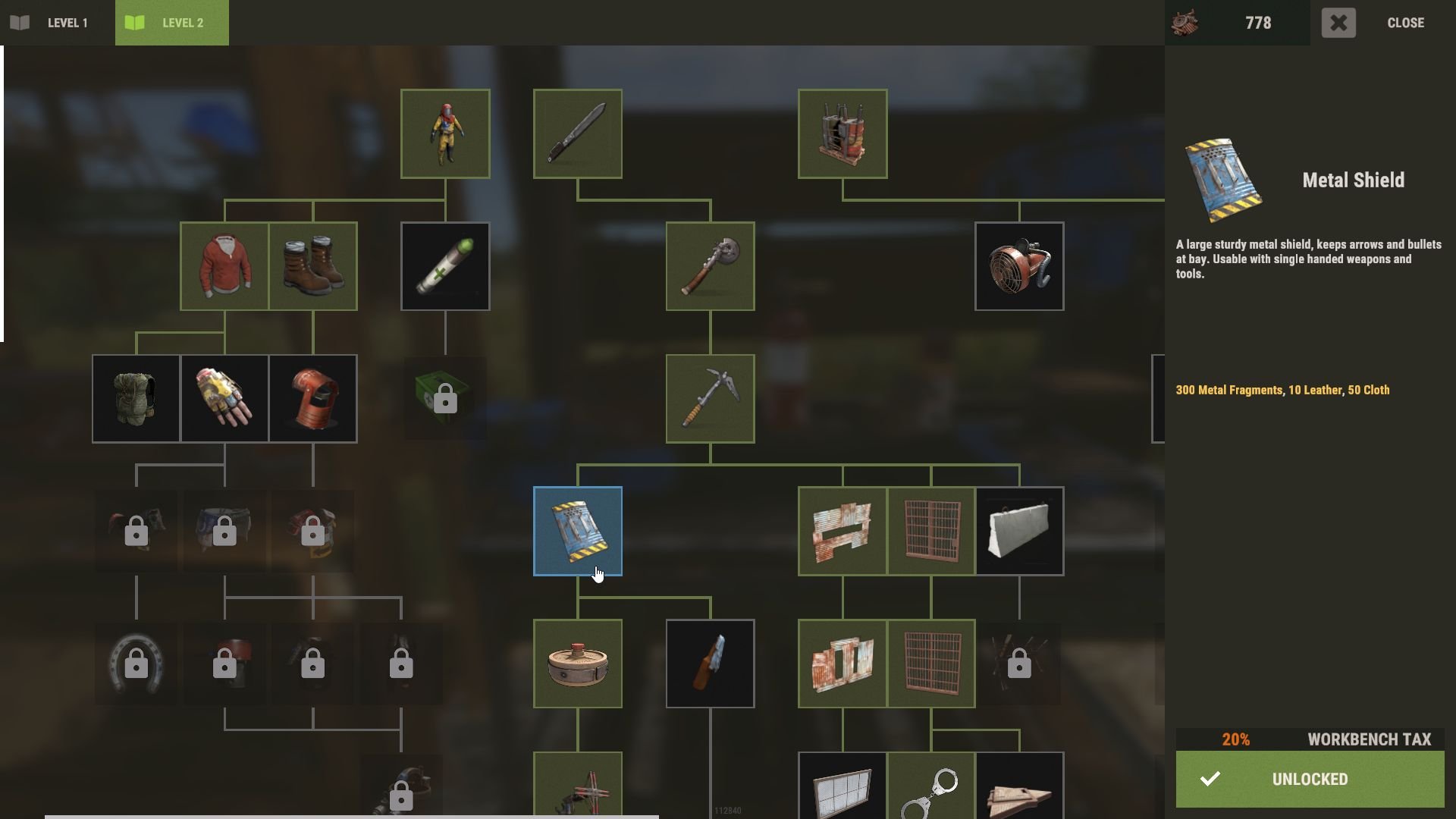
The Wooden Shield, being the simplest version, is a default blueprint, meaning any player can craft it without research. The Reinforced Wooden Shield and Metal Shield require research or unlocking through the Workbench tech tree. These more advanced shields offer superior protection but require more resources to craft.
For those who prefer scavenging over crafting, shields can occasionally be found in supply crates and loot barrels. However, relying on loot spawns isn’t the most consistent way to get one, so crafting is the best option for ensuring you always have a shield ready when needed.
Crafting and Material Requirements
Each shield requires different resources to craft. The Wooden Shield is the cheapest, making it great for early-game defense, while the Metal Shield provides the highest protection but is more costly to produce.
Wooden Shield
- 250 Wood
- 20 Cloth
- Craft Time: 15 seconds
- Workbench Level 1 required
Reinforced Wooden Shield
- 200 Wood
- 10 Cloth
- 1 Road Sign
- Craft Time: 15 seconds
- Workbench Level 1 required
Metal Shield
- 300 Metal Fragments
- 10 Leather
- 50 Cloth
- Craft Time: 15 seconds
- Workbench Level 2 required
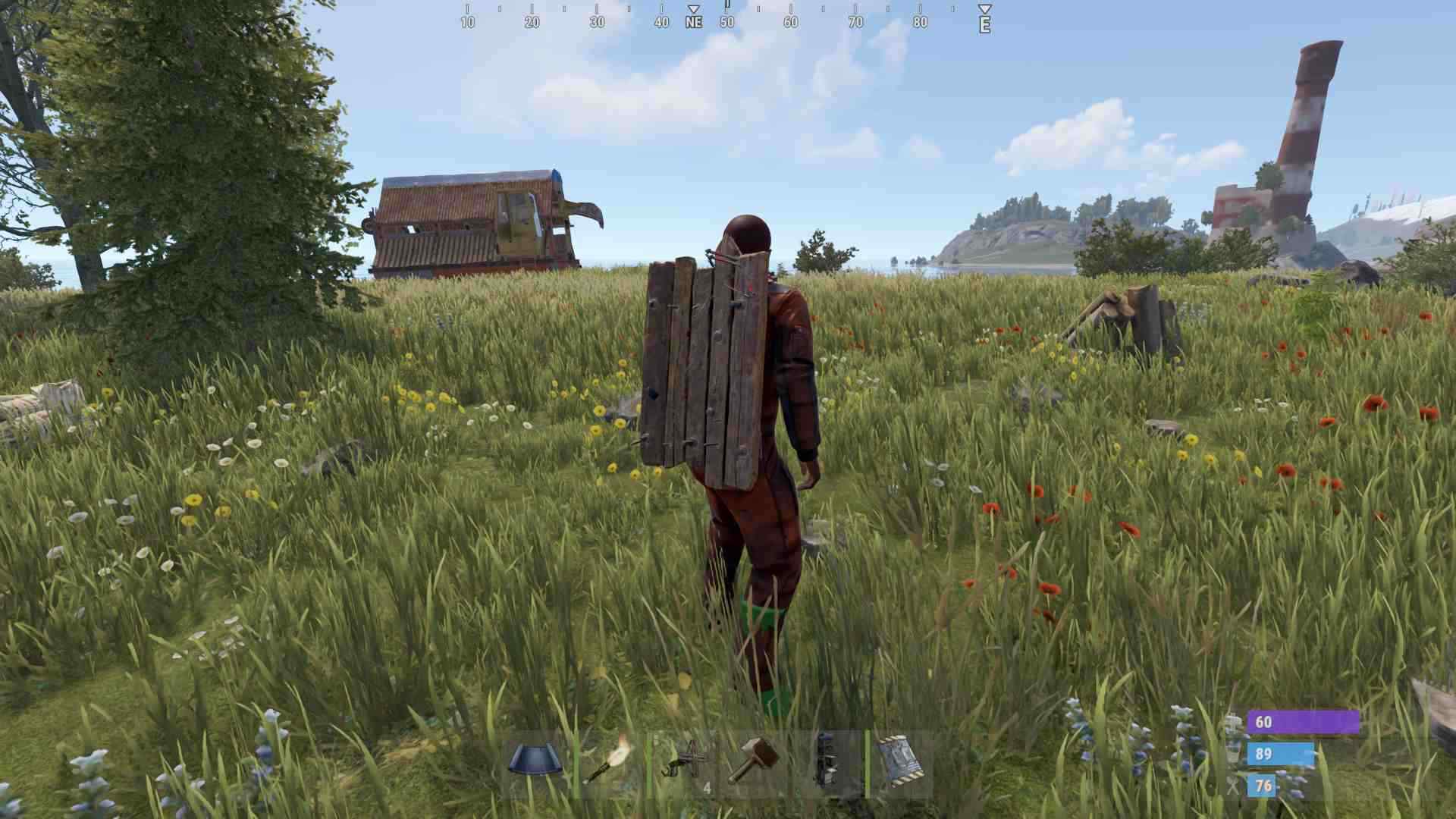
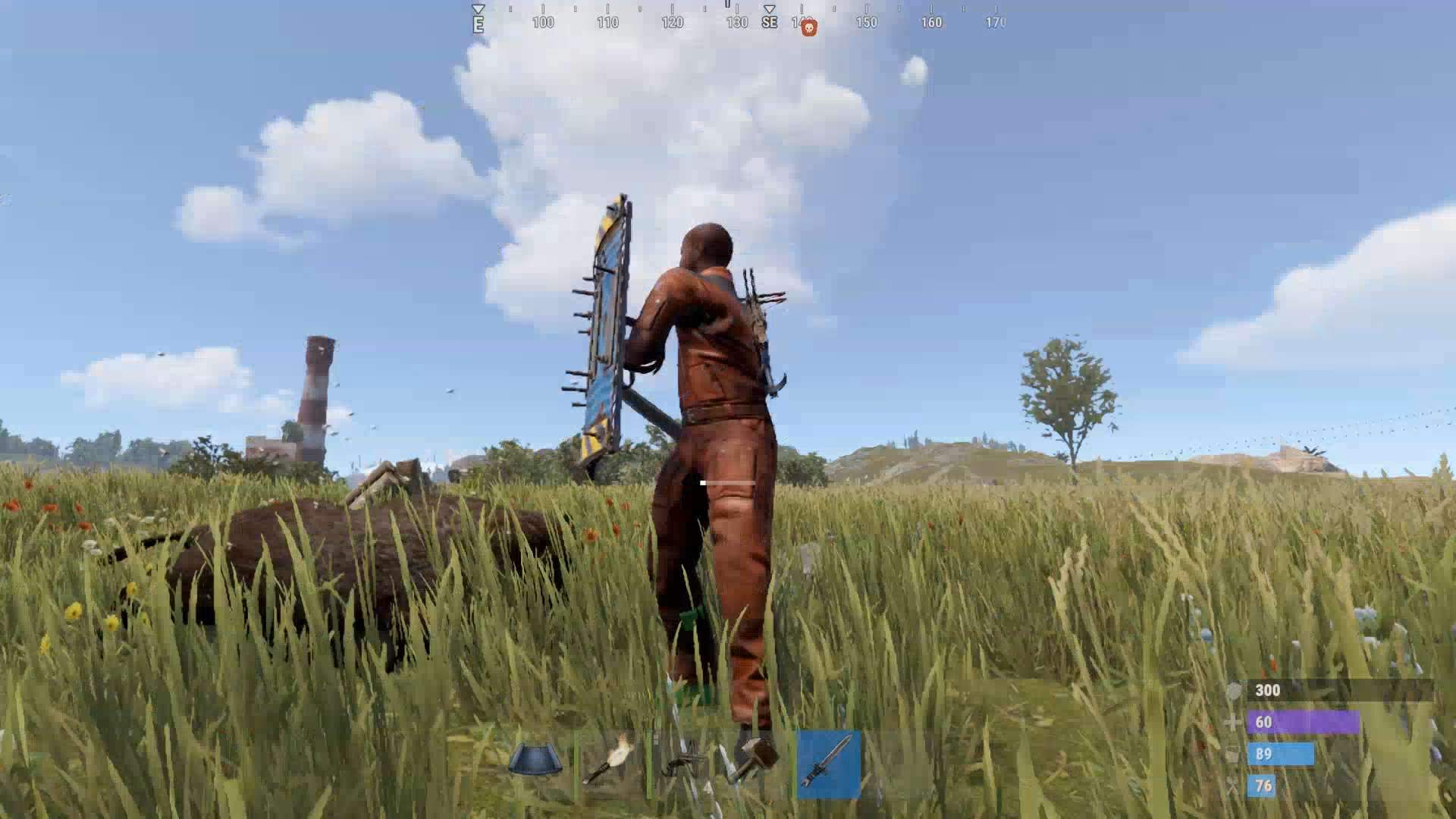
Once crafted, shields will automatically equip in your backpack slot, meaning they don’t take up your hands or weapon slots. Instead, they activate when you’re holding a compatible weapon.
How Shields Work in Combat
Using a shield is simple but requires strategic timing. Once equipped, pressing the Right Mouse Button raises the shield, blocking incoming attacks from the front. However, you can only hold the shield up for four seconds before it automatically lowers, forcing you to time your blocks wisely.
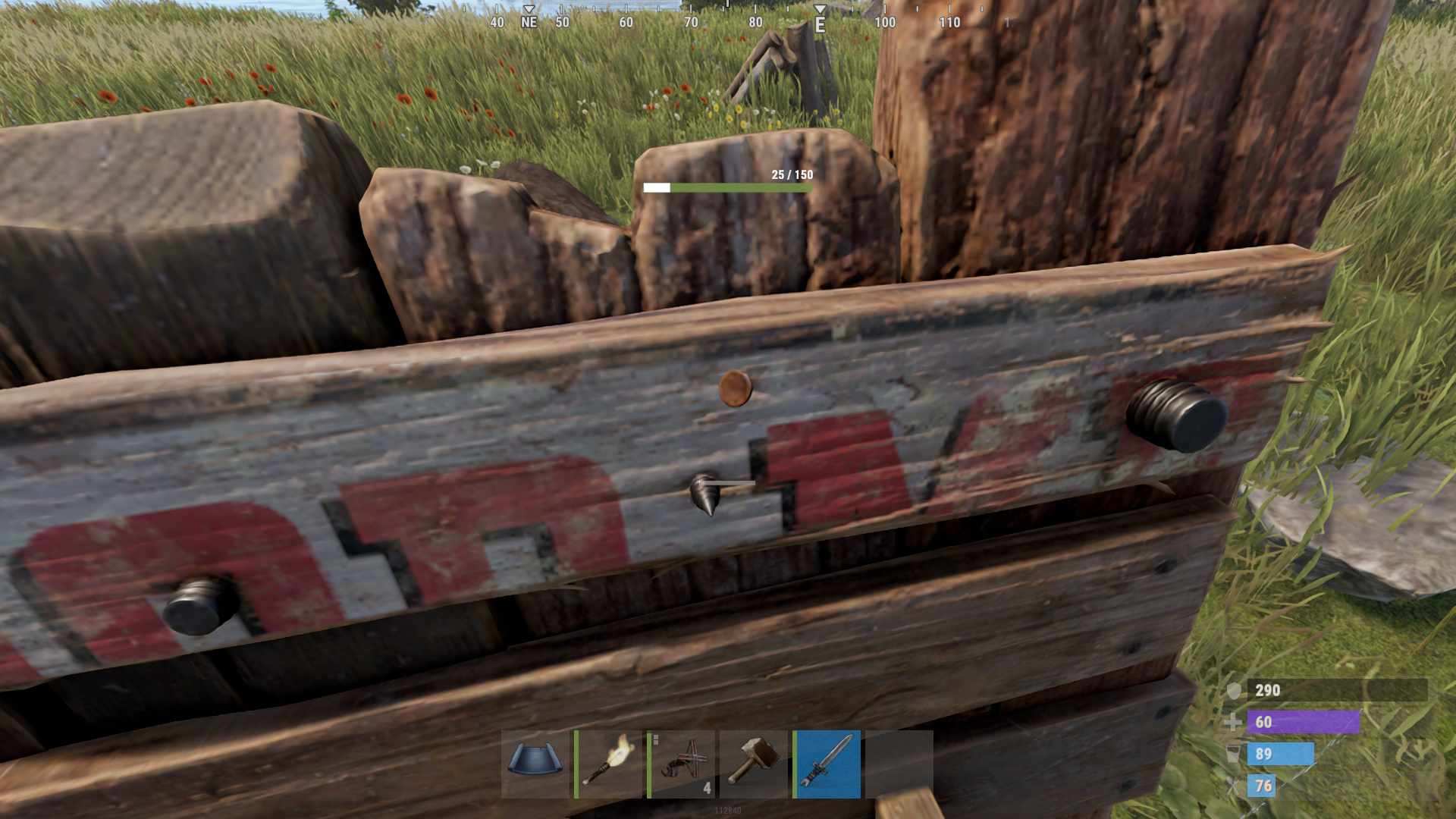
Unlike traditional armor, shields don’t provide passive protection when stored in your inventory or backpack. Instead, they must be actively raised to absorb damage. The amount of damage a shield can absorb depends on its type:
- Wooden Shield blocks 65% of incoming damage.
- Reinforced Wooden Shield blocks 75% of incoming damage.
- Metal Shield blocks 95% of incoming damage.
Each shield has a durability bar that depletes as it absorbs damage. When a shield’s durability reaches zero, it breaks and is automatically unequipped. Durability does not regenerate over time, meaning shields must be repaired or replaced when they wear down.
Shield Combat Strategies
Shields significantly change how players approach fights, especially in melee combat and ranged engagements.
Against melee attackers, shields provide a way to absorb incoming hits before counterattacking. In a swordfight, blocking an enemy’s first few swings can give you the opening you need to strike back without taking damage.
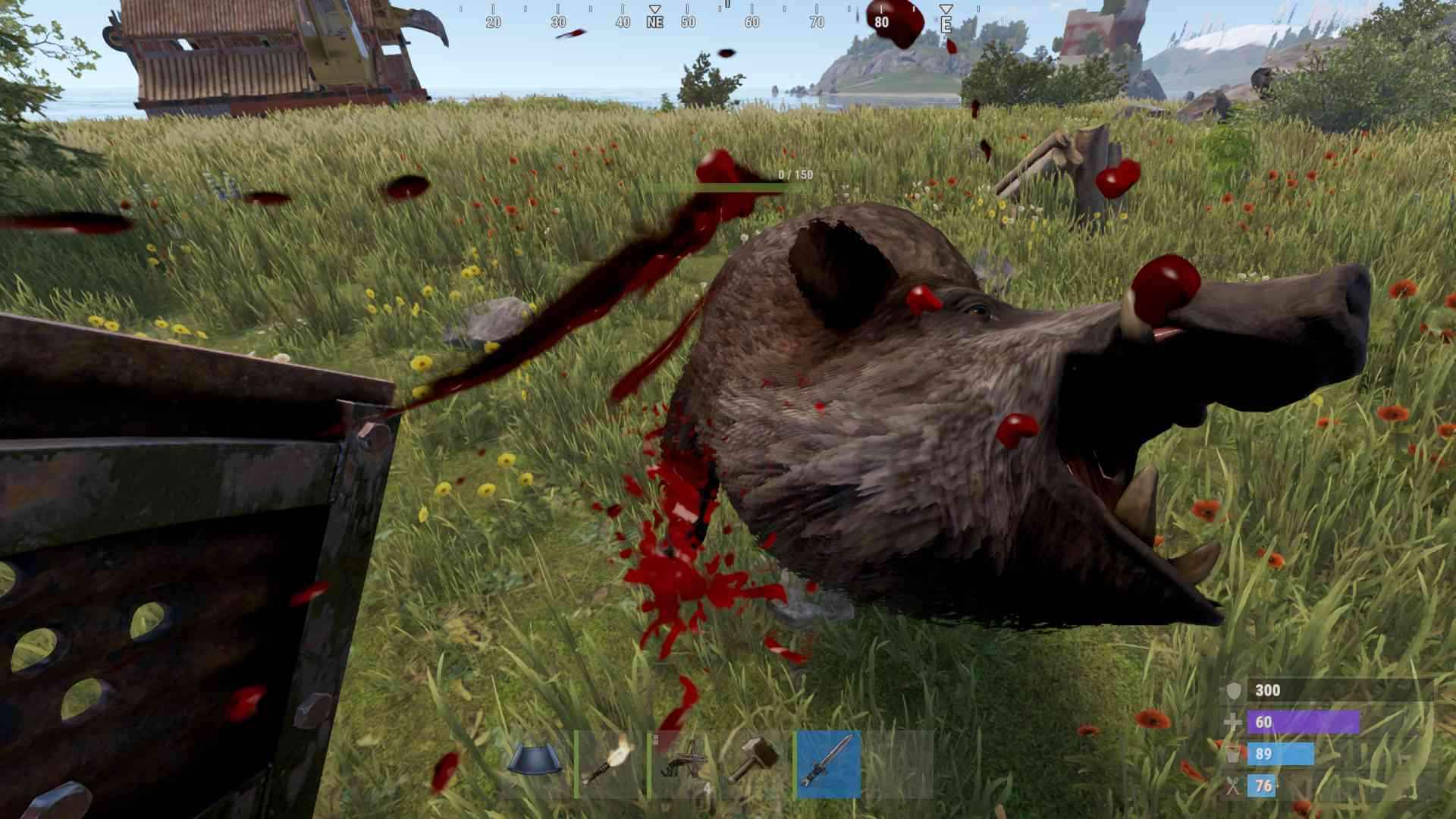
In ranged fights, shields are highly effective at blocking arrows and crossbow bolts. If you’re advancing on an enemy archer, raising your shield at the right moment can prevent damage and allow you to close the distance safely. However, shields restrict movement and aiming while in use, so players must decide when to block and when to attack.
Defenders can hold shields while standing behind doorways or chokepoints, making it harder for raiders to push in. Attackers can use shields while storming a compound, blocking incoming fire as they advance.
Shield Weaknesses and Counterplay
While shields provide excellent protection, they have some weaknesses. Since players can only hold a shield up for four seconds at a time, opponents can bait out a block and attack when the shield is lowered. Additionally, shields do not protect against damage from the sides or back, meaning flanking is an effective strategy against shield users.
Fire-based weapons, such as incendiary arrows or Molotovs, can also counter shields. A shielded player may block an arrow, but if it ignites the ground beneath them, they’ll still take burn damage.
Since shields require one-handed weapons, players using them lose access to high-damage two-handed weapons like spears and longbows. This makes shield users less effective in aggressive combat and more reliant on defensive tactics.
Repairing and Maintaining Shields
Once a shield takes damage, it cannot regenerate durability on its own. Players can repair a shield using the Hammer and required crafting materials. However, repairing a shield does not restore it to full durability - instead, it restores a portion based on how many resources are used.
When a shield is completely broken, it cannot be repaired and must be replaced with a new one. This makes durability management an important factor in fights, as running out of a shield mid-battle can leave you vulnerable.
Shields in Rust’s Primitive Update provide an exciting new way to approach combat, offering players more defensive options while maintaining the game’s high-risk, high-reward nature. Learning when to block, when to strike, and how to counter shields will be key to mastering the Primitive Update’s new combat dynamics.