
How to get implants in Palworld 0.7
Palworld v0.7, Home Sweet Home, frames implants as a balance tweak and a quality-of-life upgrade, but in practice they are a progression system: players are no longer locked into the slow entropy of breeding RNG to access key passives. The trick is that “getting implants” is not one activity in v0.7, but three interconnected ones - unlocking the Pal Surgery Table, building out its default catalog, and then permanently expanding that catalog through two merchant economies.
Unlock the implant pipeline
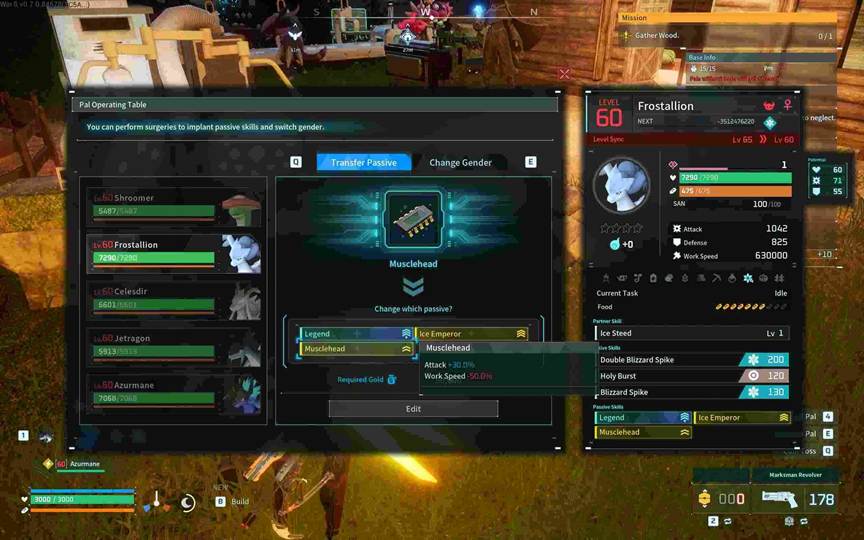
Implants in Palworld are used through the Pal Surgery Table, a level-gated structure that turns passive skills into a controlled resource sink rather than a genetic lottery. Reaching player level 36 is the real start line, because it is the point where the table becomes available and implant progression becomes visible in the UI rather than remaining an abstract goal.
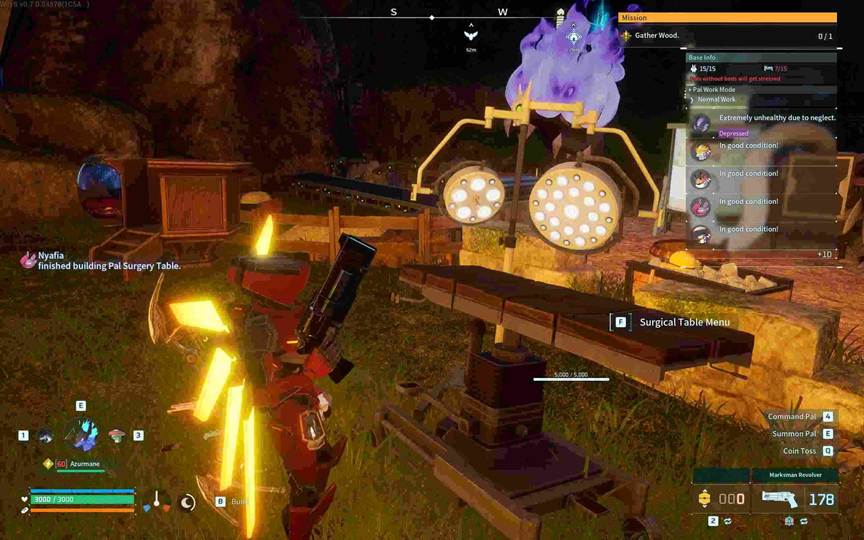
Once the table is built, Palworld immediately provides a baseline library of implantable passive skills without requiring any vendor purchases. That default pool matters because it establishes the system’s minimum utility: even players who never touch the arena or bounty loop can still do meaningful passive cleanup and role tuning at the table.
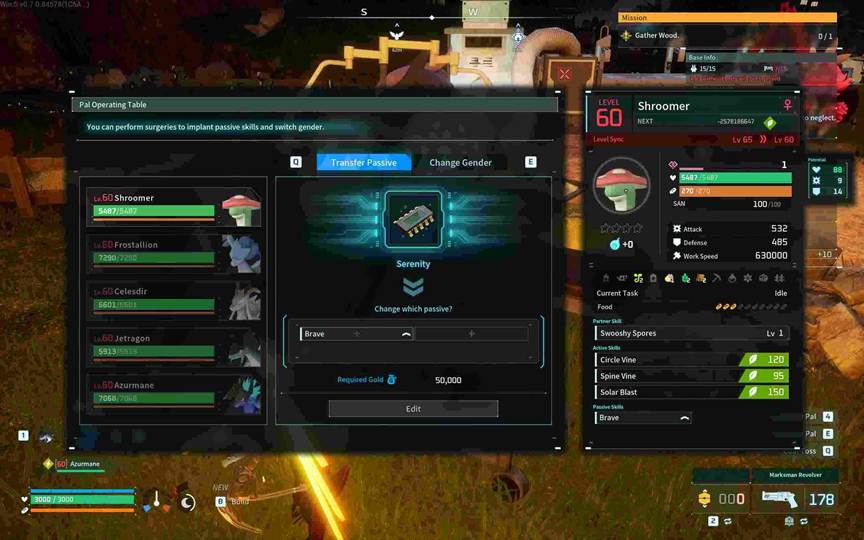
Home Sweet Home also adds additional implants directly to the surgery table’s ecosystem, including Mine Foreman, Logging Foreman, Fine Furs, Sleek Stroke, and Work Slave. These are not presented as “merchant-only” unlocks in the patch notes, which is an important distinction for acquisition planning: not every new implant introduced in v0.7 requires a separate currency grind to exist in the system.
Farm bounty tokens efficiently
The first major implant expansion path runs through Bounty Officers, who trade implant modules for Bounty Tokens. In practical terms, this route is designed to reward players who engage with the world’s wanted-target loop rather than instanced combat, and it tends to feel more like open-world progression than pure farming.
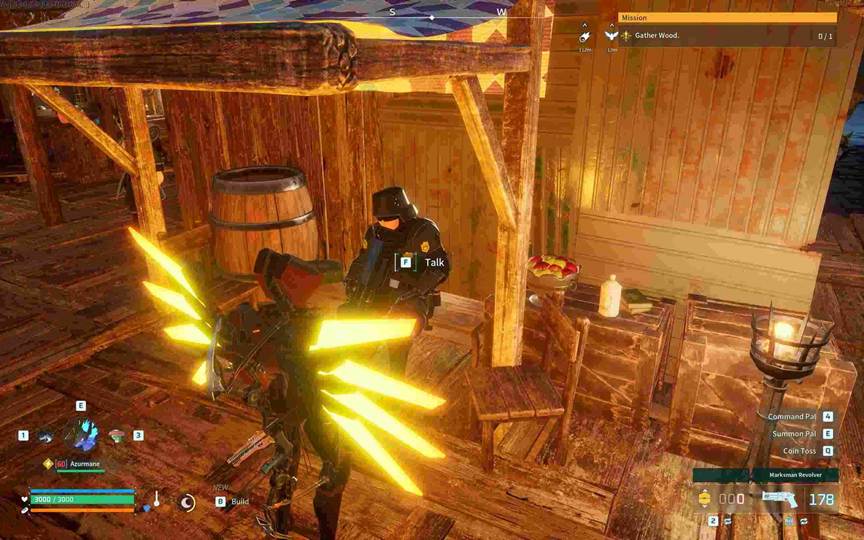
The implants sold through Bounty Officers are a concentrated set of high-impact passives, typically framed around combat output and base productivity. Guides and vendor breakdowns consistently identify Artisan, Burly Body, and Musclehead as the Bounty Officer’s signature offerings, with each implant priced in tokens rather than gold.
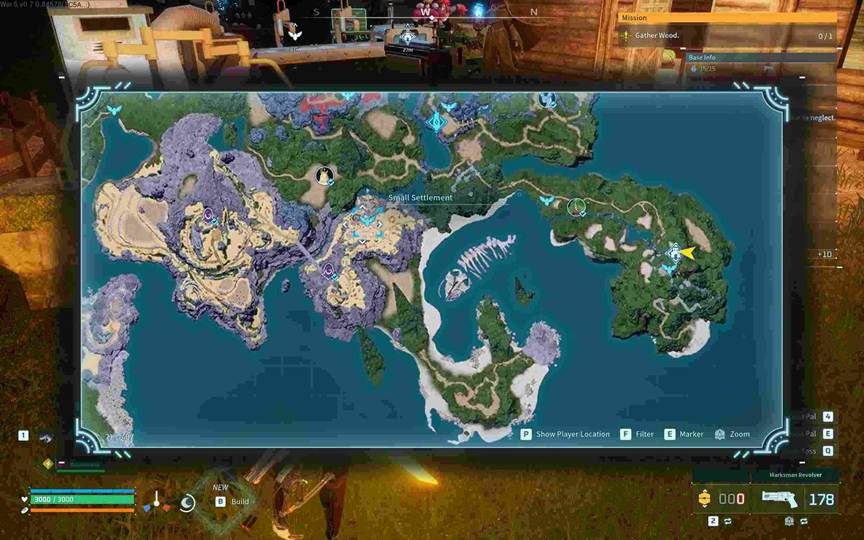
Location matters because it determines friction. Commonly referenced Bounty Officer access points include the Small Settlement, often cited with map coordinates around 74, -487, which places the exchange point close enough to early travel routes that it remains relevant even after players outgrow the starting zone.
Earn battle tickets consistently
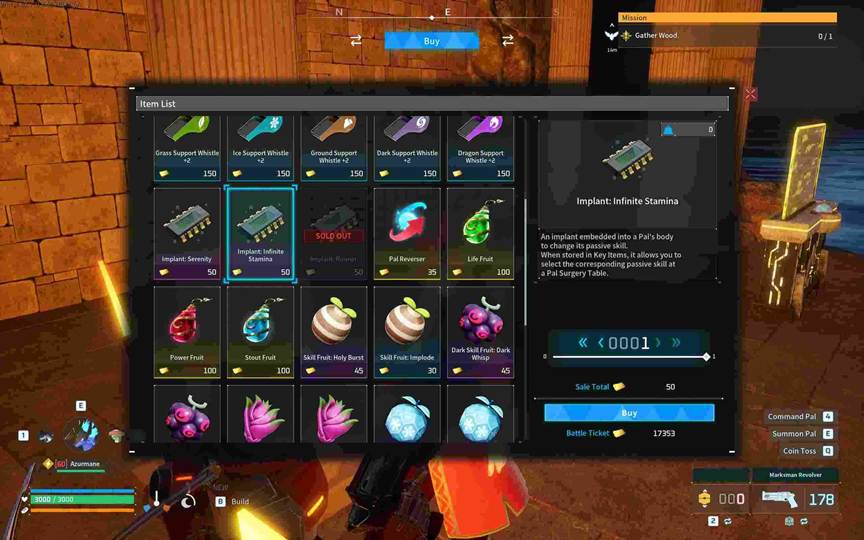
The second expansion path runs through the Arena Merchant, who sells a different subset of implants for Battle Tickets earned through arena fights. This system has a deliberately different pacing: it is repeatable, structured, and easier to standardize, which makes it appealing for players who want predictable progress toward specific movement and cooldown-oriented passives.
The Arena Merchant’s implant set is typically described as Runner, Infinite Stamina, and Serenity, each priced at a fixed Battle Ticket cost. This trio is significant because it targets traversal and skill cadence rather than raw base productivity, which means it upgrades the player’s day-to-day map movement and combat rhythm in a way that feels immediately tangible.
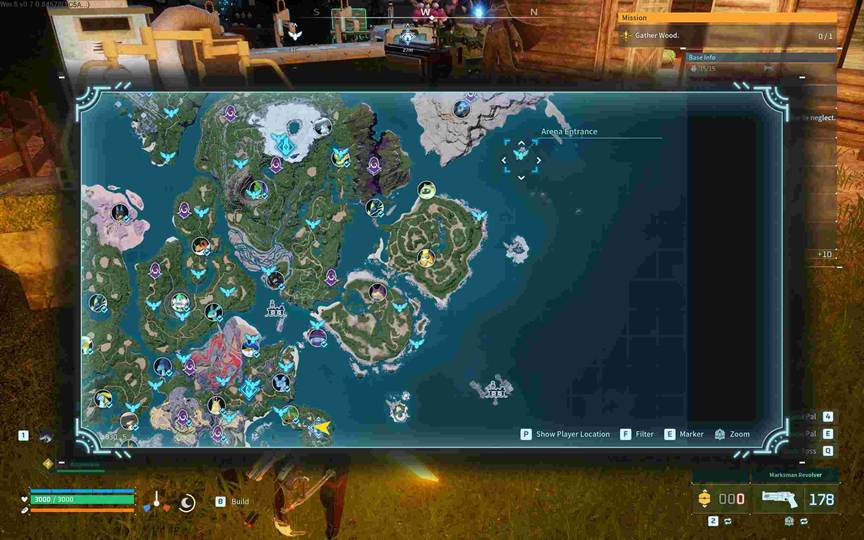
The arena’s physical location is usually described as a small island area near Eastern Wild Island, and community references commonly place it in the desert-adjacent east with coordinates in the 600-range depending on the source. The practical takeaway is that implants are not locked behind late-game biomes, but they are locked behind knowing where the arena is and being willing to engage with its fight loop long enough to accumulate tickets.
Confirm permanent unlocks
The most important acquisition detail in Palworld’s implant system is that buying an implant module from a merchant is treated as a permanent unlock rather than a one-time consumable. After purchase, the implant persists as a key-item style unlock, and the surgery table can apply it repeatedly as long as the player pays the operation cost each time.
That design shifts the grind from “buy this implant again” to “fund the edits.” Each surgery costs gold, and the economy lever is intentionally placed on the edit action, not the implant ownership. This is what keeps implants powerful without being free, and it is why implant acquisition and gold generation become linked goals once the system is online.
Finally, it is worth treating rumors about ultra-rare implant tiers as noise unless the game itself supports them. Current guides and patch-facing sources emphasize a limited, explicit catalog for legitimate implants, with anything beyond that typically attributed to mods or unsupported claims. For a clean v0.7 acquisition plan, the reliable checklist is simple: unlock the table at level 36, then expand the implant catalog through Bounty Officers and the Arena Merchant, knowing each purchased implant becomes a permanent option in future surgeries.