
How to get copper armor in Minecraft
The Copper Age update marks a turning point for Minecraft’s early survival gameplay. Until now, copper was little more than a decorative material for builders and redstone enthusiasts. With version 1.21.9, Mojang transforms copper into a legitimate combat resource - complete with a new armor tier that bridges the gap between leather and iron. This addition doesn’t just diversify progression; it reshapes the pacing of early exploration and resource management.
Go underground and gather resources
Copper ore now plays a crucial role beyond aesthetics. Found between Y-levels -16 and 112, it appears most frequently around levels 47–48, often embedded in stone layers within dripstone caves. Its accessibility means players no longer need to rely solely on iron to progress through the early armor tiers. With Fortune III, a single vein can yield up to 20 raw copper - enough for several ingots after smelting.
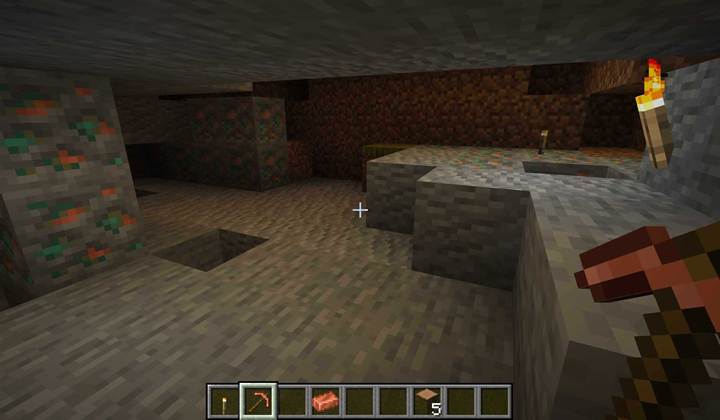
Raw copper must be smelted in a furnace or blast furnace using any fuel source, producing copper ingots. This transformation mirrors iron’s production cycle, but with a subtle strategic twist: because copper veins are more abundant, early smelting becomes a resource-efficient way to prepare for crafting armor before venturing into deeper biomes. Once enough ingots are gathered, players can begin the next critical phase - shaping their first metallic defense.
Craft the armor and evaluate its strength
Crafting copper armor follows the same familiar patterns as other materials. Five ingots form a helmet, eight create a chestplate, seven make leggings, and four complete a pair of boots. Every piece is visually distinct, glowing with a polished orange hue that makes it immediately recognizable in the inventory. For newcomers, the intuitive crafting continuity ensures no learning curve, while the fresh aesthetic provides a subtle badge of early advancement.
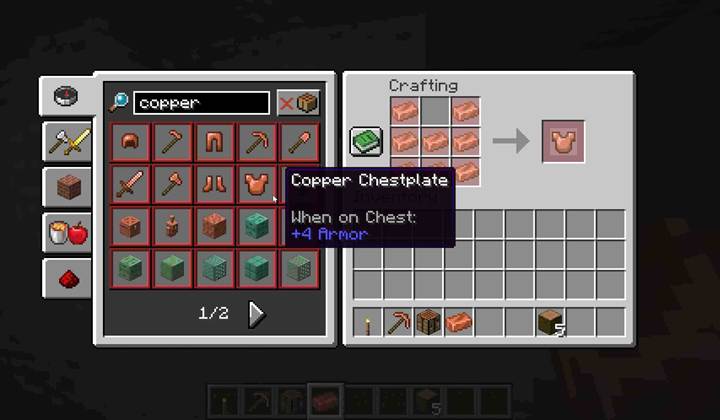
In combat metrics, copper armor ranks between leather and iron. A full set provides 10 armor points - three above leather but five below iron’s 15. In raw durability, copper pieces last longer than leather or gold but fall short of chainmail or iron equivalents. For instance, copper chestplates endure around 176 hits compared to iron’s 240. These statistics reinforce its role as a transitional tier: not strong enough for deep mining or Nether exploration, but ideal for overworld survival and light combat.
Enhance, repair, and maintain your equipment
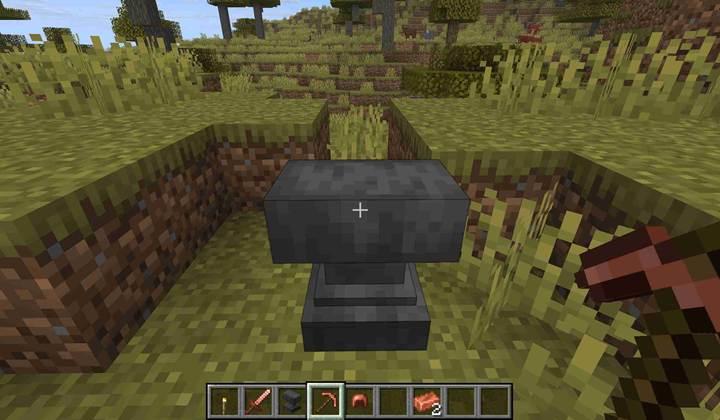
Like other armor materials, copper can be enchanted and repaired. Standard enchantments such as Unbreaking, Protection, or Fire Protection apply seamlessly, and the armor’s enchantability value aligns closely with gold and iron, sitting at 13. Players can repair copper armor either by combining damaged pieces on a crafting table or using copper ingots through an anvil. Two worn copper armors merged in a grindstone regain their combined durability with an additional 5% bonus - a small but efficient way to extend lifespan without constant mining.
However, copper armor cannot be obtained through trading, chest loot, or mob drops, reinforcing its crafting exclusivity. When smelted, it yields only a single copper nugget - a poor tradeoff that disincentivizes recycling. Players seeking sustainability should instead invest in maintenance and enchantments rather than disposal.
Understand the strategic value of copper tier
The placement of copper armor in Minecraft’s progression is deliberate. Its moderate protection and plentiful resource supply make it an effective buffer for players hesitant to spend scarce iron early on. For example, during the first in-game week, copper gear can sustain encounters with zombies, skeletons, and even light cave exploration without the risk associated with weaker materials. As iron supplies increase, copper naturally fades from utility, but it remains a valuable stepping stone - an early survival insurance policy for resource-conscious players.
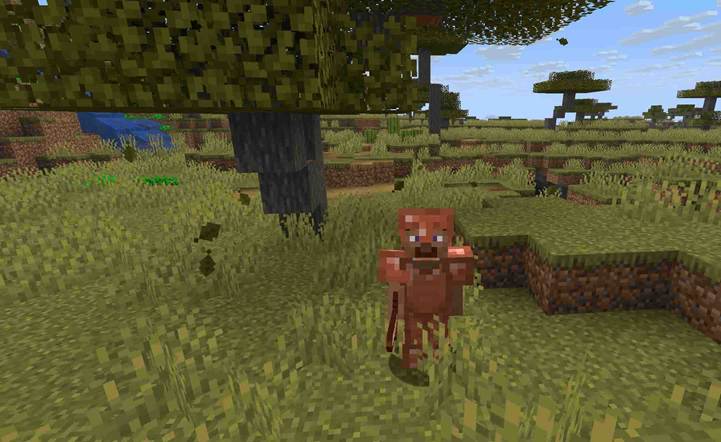
Its balance between accessibility and protection also impacts multiplayer pacing. On new servers or fresh worlds, early copper gear levels the playing field, reducing the resource gap between experienced players who rush to iron and newcomers still gathering essentials. For builders, its orange tone introduces a creative layer - serving both as practical defense and as decorative armor stands that accent base interiors.
Explore the visual and systemic design of the Copper Age
Mojang’s decision to introduce copper armor extends beyond mechanics. It reflects a broader shift in Minecraft’s design philosophy: turning previously niche resources into multi-functional gameplay systems. By integrating copper into combat and exploration, the developers continue the trend seen with bamboo wood, cherry trees, and smithing templates - each expansion recontextualizes familiar materials into new gameplay loops. The Copper Age is less about adding content and more about refining purpose.
From a technical standpoint, copper armor’s absence of oxidation preserves visual consistency and avoids the maintenance burden present in copper blocks or golems. This deliberate limitation ensures that gameplay clarity outweighs aesthetic realism - a subtle but important balance in Minecraft’s sandbox logic.
As the Copper Age update cements its place in the game’s evolution, copper armor stands as a symbol of refined progression - accessible, balanced, and visually distinctive. It rewards exploration, supports new players, and enriches the early survival rhythm without disrupting Minecraft’s established hierarchy of materials.