
How to get and use Catapults in Rust Primitive Update
Rust’s Primitive Update has stripped away modern technology, pushing players into a survival experience where brute force and siege tactics are the key to success. With guns and high-tech explosives no longer an option, raiding enemy bases has taken a new turn with medieval-style weapons like Catapults. These towering machines can launch powerful projectiles that set fire to structures, blast through stone walls, or even send unfortunate players flying through the air. If you’ve ever wanted to tear down a fortress with nothing but wood, metal, and a well-placed boulder, this guide will show you exactly how to do it.
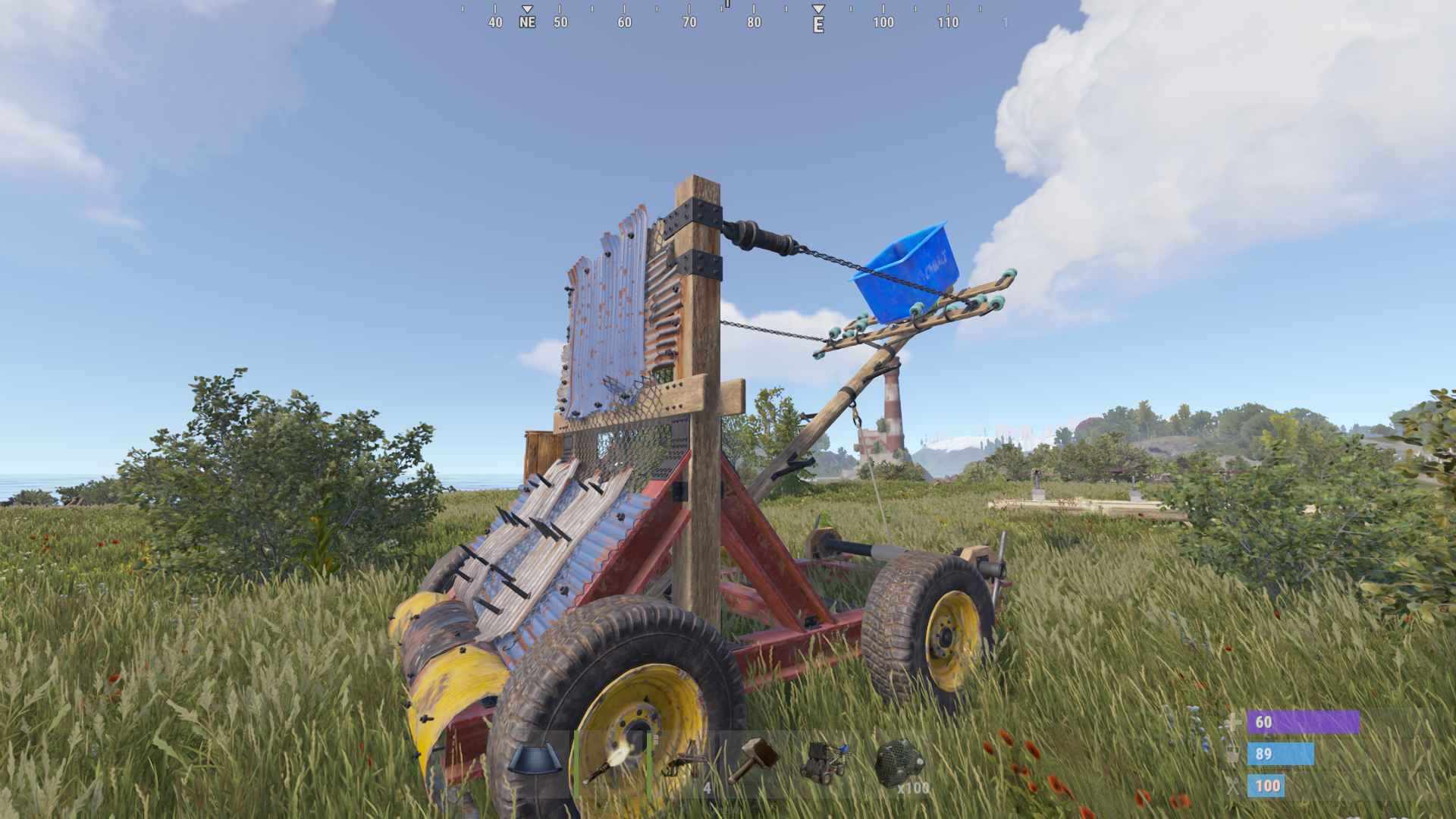
How to Get a Catapult
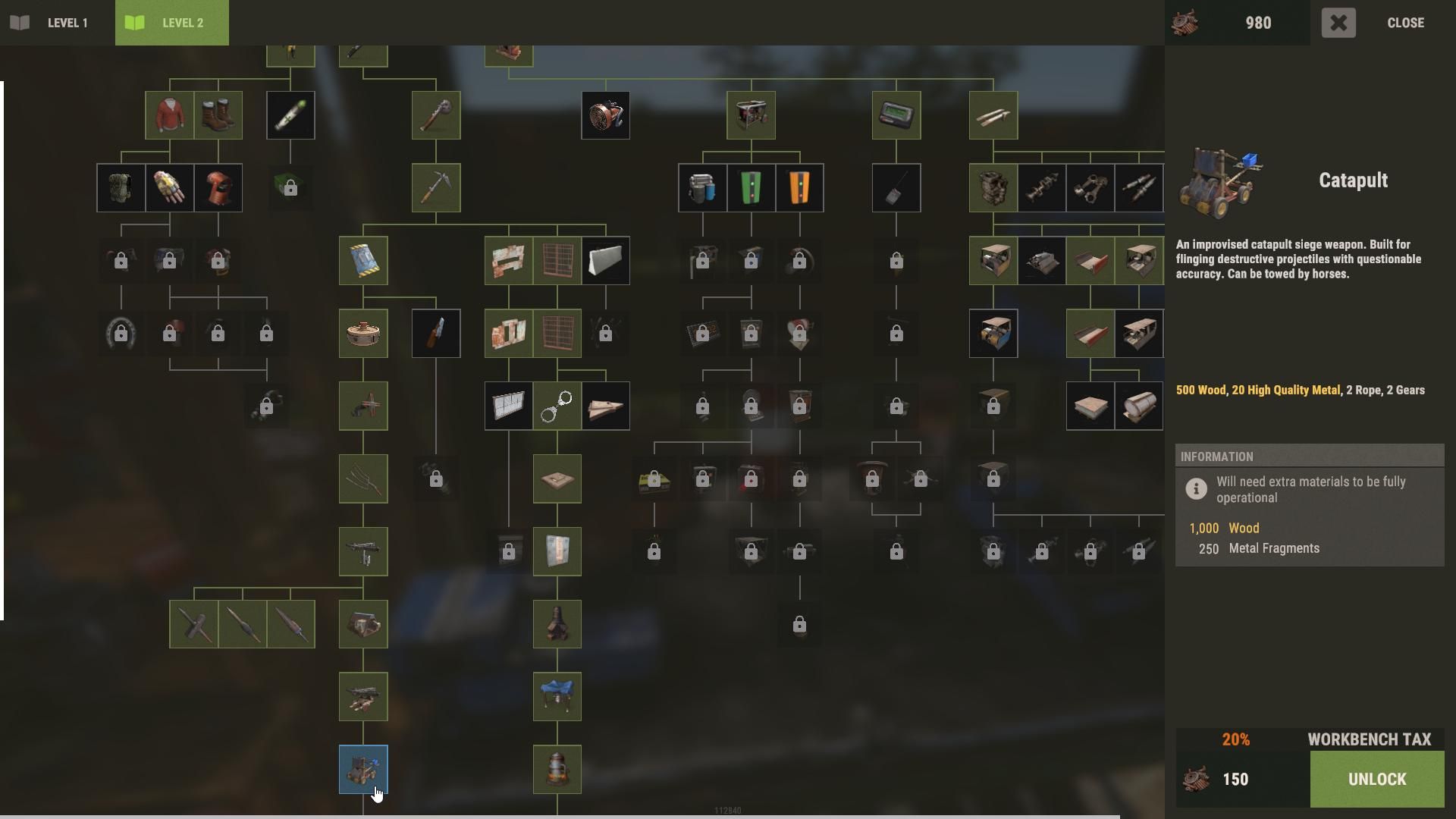
The first step in mastering Catapults is actually getting your hands on one. Unlike smaller weapons, they aren’t something you stumble upon frequently in loot crates. The easiest way to acquire a Catapult is by crafting it through the Workbench Level 2 tech tree, which requires a fair amount of scrap. Once unlocked, crafting one is fairly straightforward, provided you have the necessary materials.
For those who prefer scavenging, high-tier loot crates can sometimes contain a fully-built Catapult, though this is rare. Another way to get one is a little less traditional - stealing. If another player has left their Catapult unattended, you can simply walk up, unhitch it, and claim it as your own. Since these massive machines can be towed by horses or pushed manually, relocating an abandoned Catapult is easier than you might expect.
Building and Assembling the Catapult
After obtaining a Catapult, it isn’t immediately ready for use. You’ll need to gather the right materials and assemble it before launching any attacks. The process is simple but requires some patience.
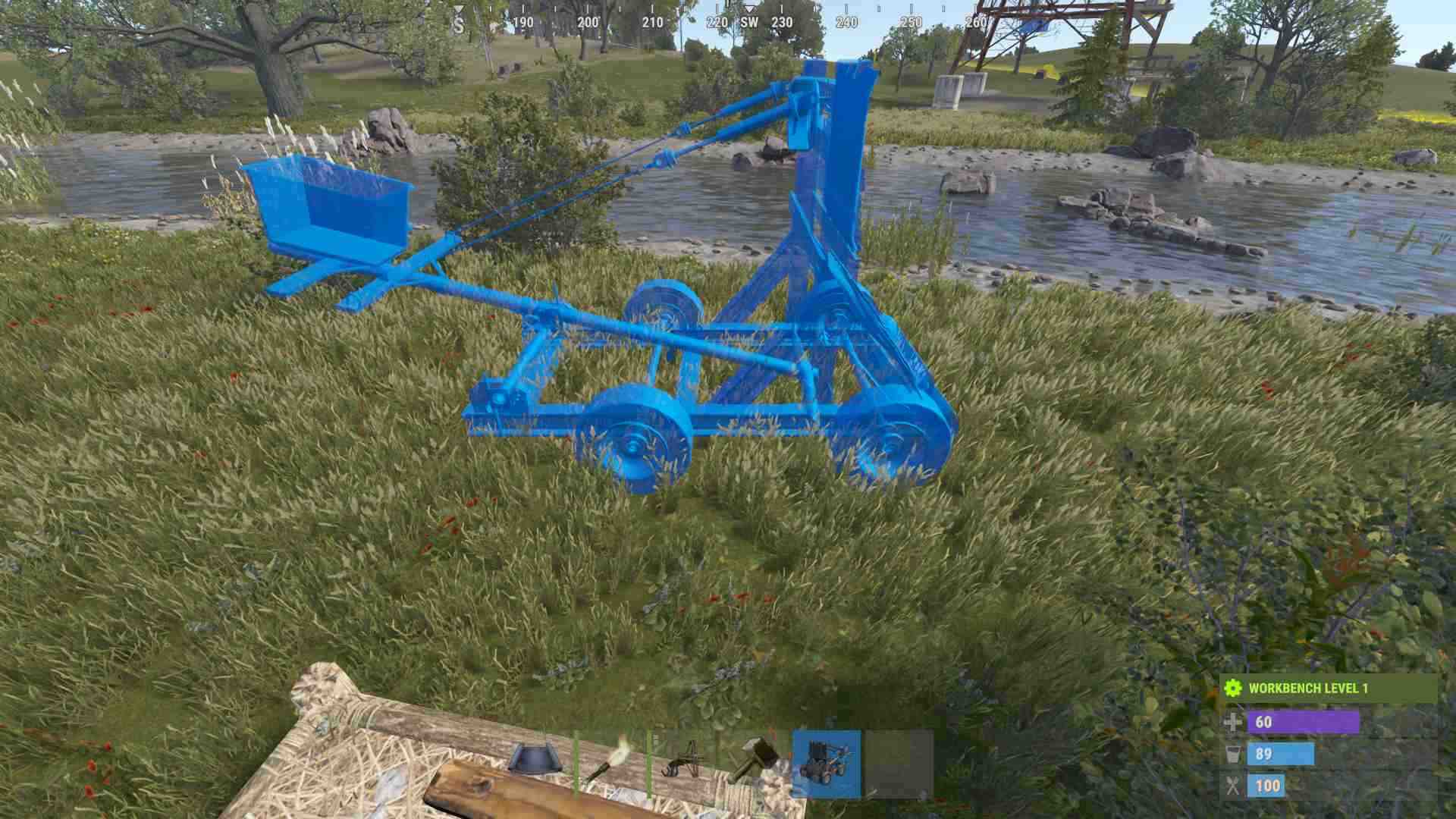
To construct a Catapult, you will need:
- 1000 Wood
- 250 Metal Fragments
- A Hammer

Once the materials are ready, place the Catapult in an open, flat area. If the outline appears red, it means the placement is obstructed - find a clearer spot. After placing it, use the Hammer to strike it ten times, gradually assembling it until it stands fully constructed and ready for battle.
Moving the Catapult
Unlike most deployable structures, the Catapult isn’t fixed to one spot. It can be moved across the battlefield, either by manual effort or with the help of a horse. To push or pull it, stand next to the Catapult and press E. This method works best for small adjustments, but covering long distances this way is slow and impractical.
A much faster way to transport the Catapult is by using a horse. Approach the front of the Catapult, and if positioned correctly, a Towing prompt will appear. Press E to hitch the Catapult to the horse, then ride forward to tow it wherever needed. If you need to stop and re-position, pressing E again will detach the horse.
Firing the Catapult
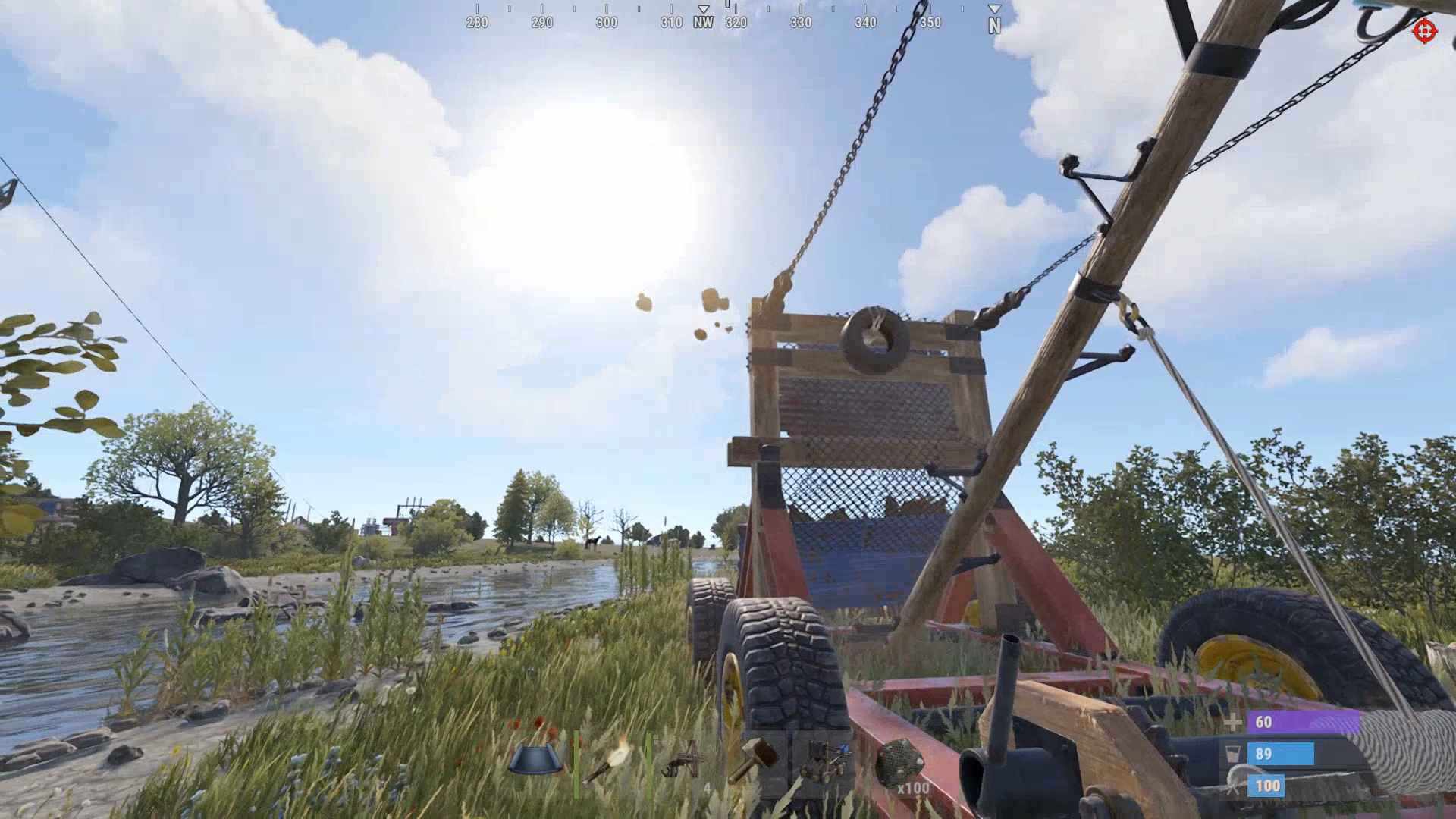
Unlike firearms, Catapults don’t have precision aiming mechanisms. Instead, you’ll need to rely on positioning, angle estimation, and a bit of trial and error. To prepare for an attack, stand at the rear of the Catapult and hold E to reload. This action takes about eight to ten seconds, after which you’ll see a blue holding box appear. Interact with it to select the ammunition type, ensuring you’ve chosen the right projectile for the job.
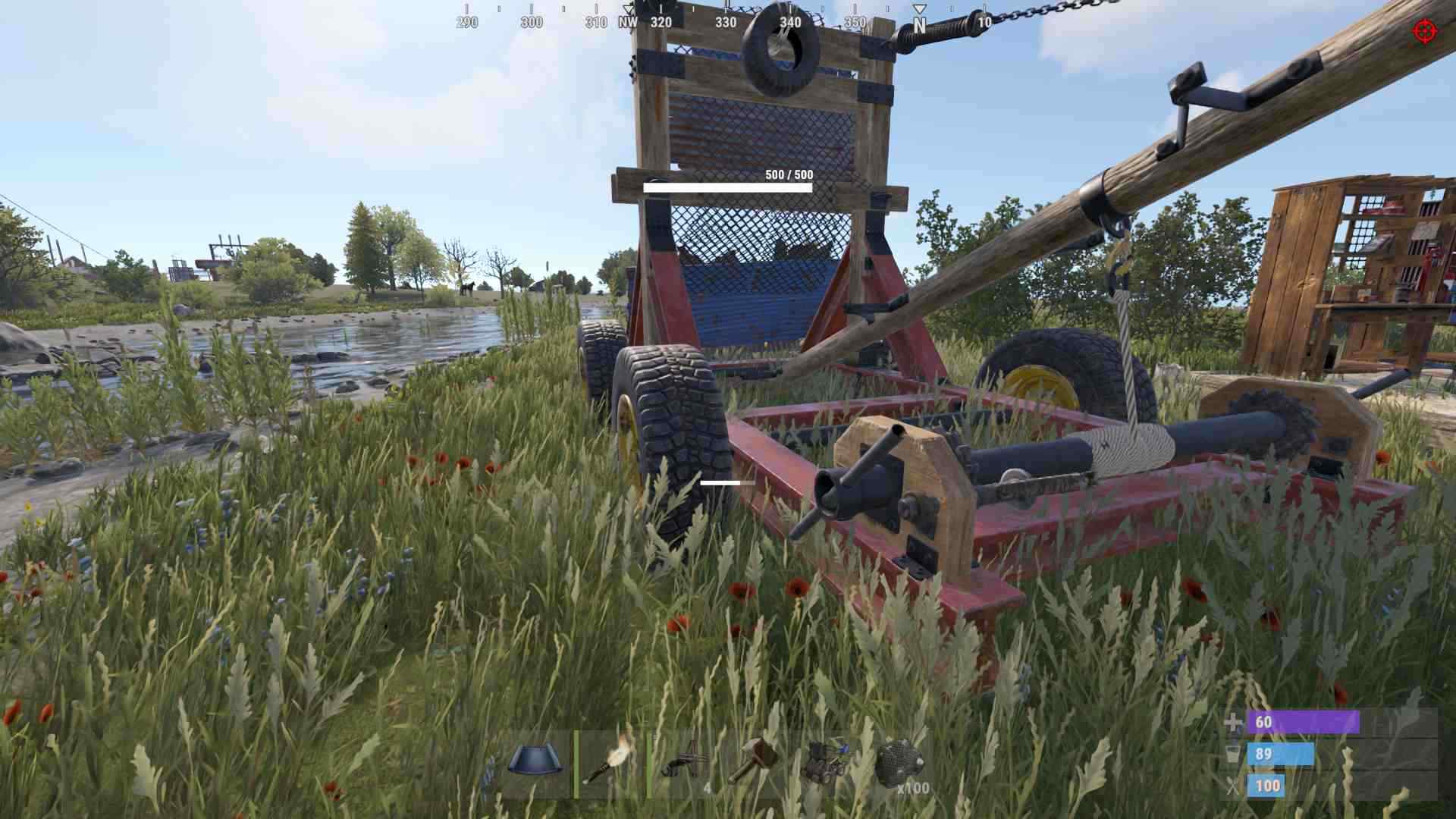
Once loaded, aim by physically adjusting the Catapult’s direction. When satisfied with the trajectory, press E again to launch the payload. The projectile will arc through the air, crashing down on the intended target - or missing completely if the angle was off. With practice, judging distances and landing accurate shots becomes easier.
Types of Ammunition
Different situations call for different types of ammunition. The Catapult supports multiple payloads, each with its own destructive effect.
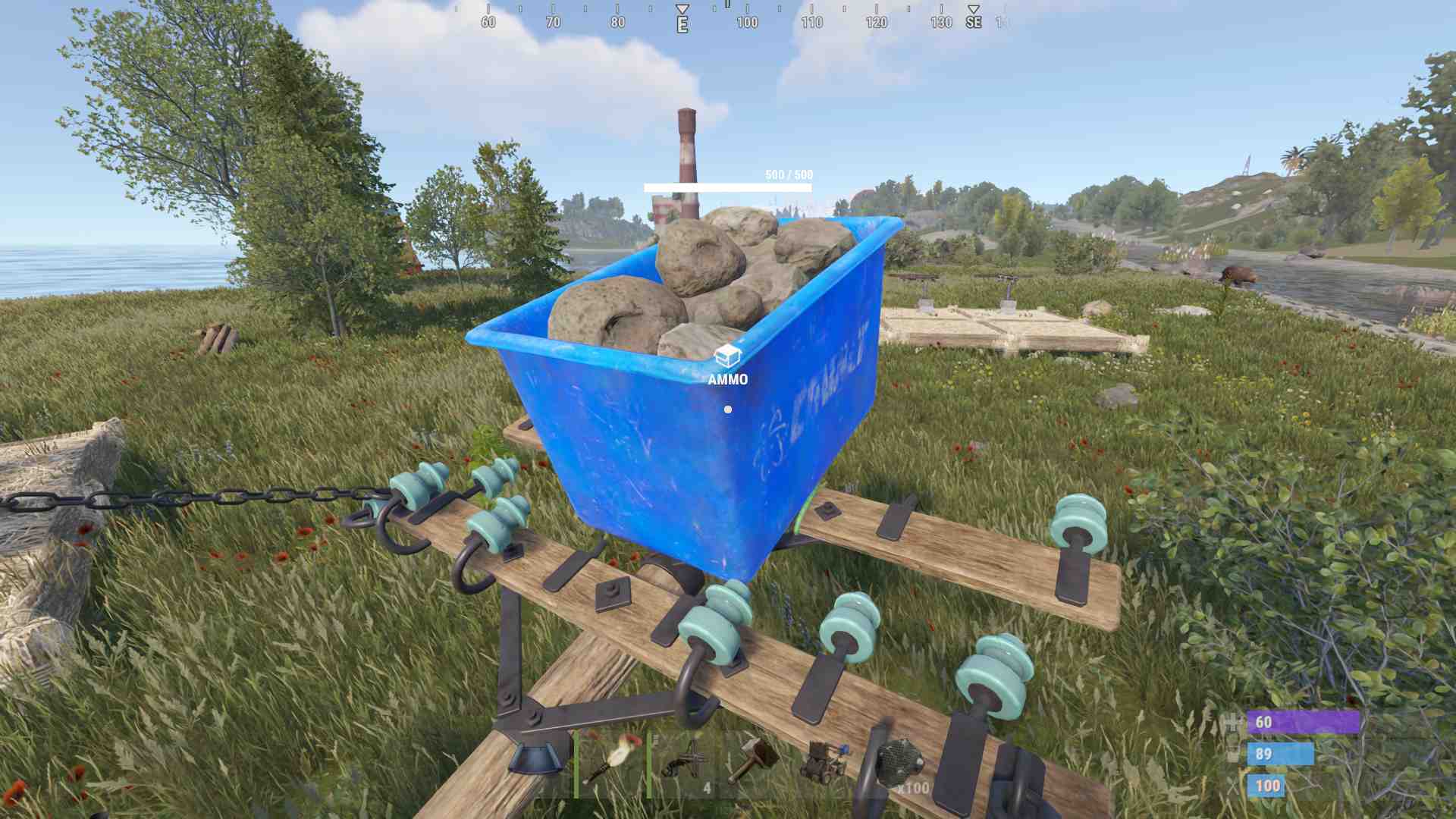
Propane Explosive Bombs are the most devastating option for raiding. These act similarly to rockets in standard Rust, dealing significant damage to stone walls and other structures. If the goal is base destruction, this is the best choice. Firebombs, on the other hand, ignite structures and burn everything in their radius, making them effective against wooden fortifications. Scattershot is designed for anti-personnel use, releasing a spread of small rocks that can wound or kill enemy players. Lastly, in what might be Rust’s most entertaining feature, players themselves can be loaded into the Catapult and launched.
Maintaining the Catapult
Like all deployable items, Catapults suffer from wear and tear. If left exposed to the elements, they will slowly decay over time. Additionally, enemy players may target them to prevent sieges. Keeping a Catapult in good condition requires periodic repairs using a Hammer and Metal Fragments. Each repair action restores up to 51 health. If completely neglected, a Catapult will deteriorate within 600 minutes. Storing it under cover can help extend its lifespan.
Using Catapults for Raiding and Defense
When attacking a well-fortified base, positioning the Catapult correctly is crucial. Setting up at an elevated position can increase the range and effectiveness of shots, while keeping some distance reduces the risk of counterattacks. Firebombs work well for softening up wooden defenses, and Propane Explosive Bombs should follow to break through stone walls. Once a breach is made, switching to Scattershot can deal with any defenders rushing to repair the damage.
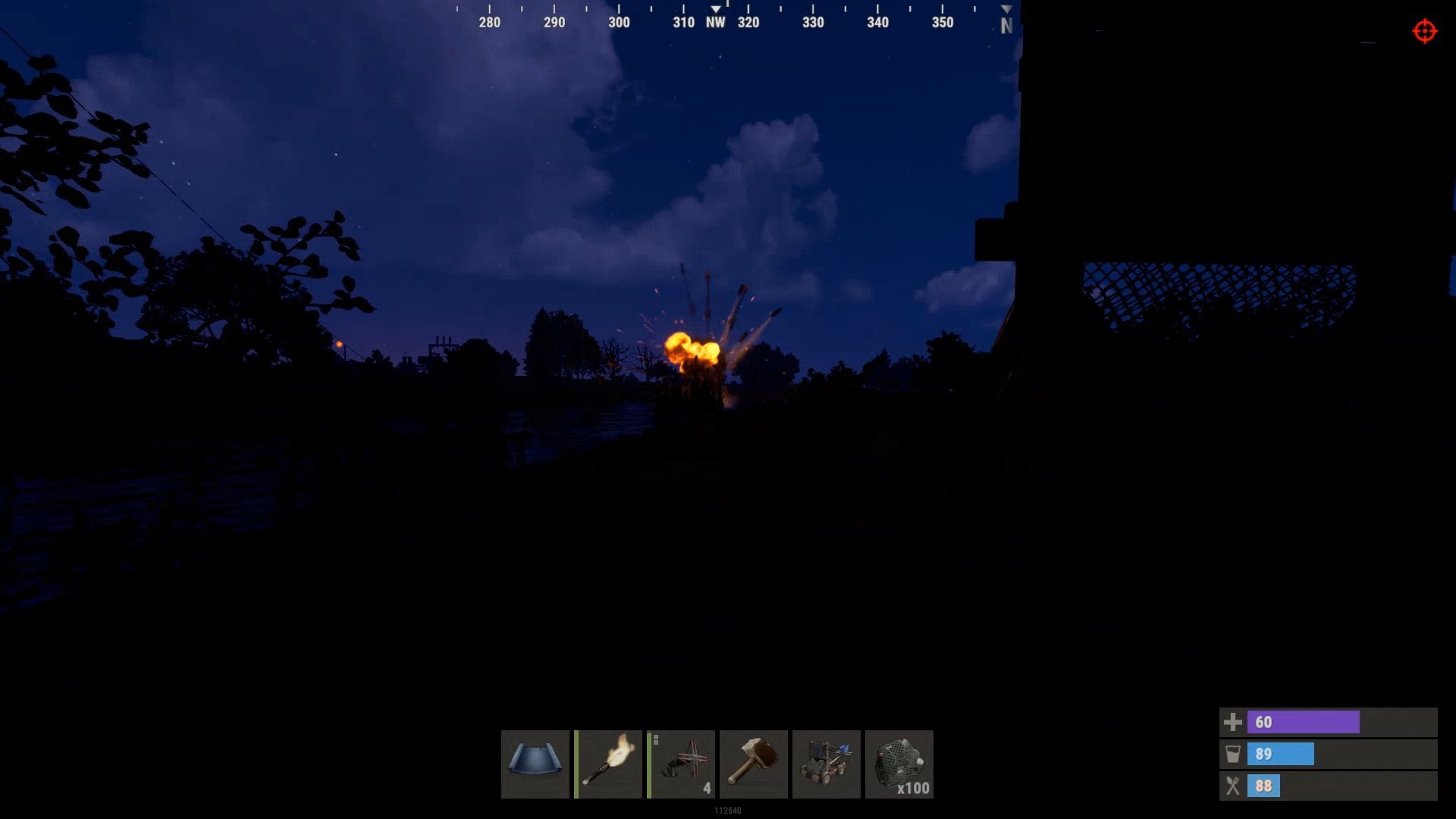
In defensive scenarios, Catapults can also be a useful tool. If an enemy team is preparing a raid, setting up a Catapult inside your compound and firing at their staging area can disrupt their approach. Scattershot is particularly effective in this case, damaging multiple enemies at once and forcing them to rethink their attack.
The introduction of Catapults in Rust’s Primitive Update has changed the way players approach raiding and base defense. Unlike traditional explosives, they require strategy, positioning, and patience to use effectively. With the right tactics and a bit of practice, mastering this siege weapon can give you a massive advantage in Rust’s brutal world.