
How to Generate Power on Gleba in Factorio Space Age
Welcome to Gleba, one of the toughest and most resource-intensive planets in Factorio Space Age. Recent insights highlight new challenges for managing power here, especially for players new to the planet’s mechanics. Here’s a refreshed approach to help you navigate Gleba’s terrain, manage resource spoilage, and create a steady power system.
Gleba’s Environment
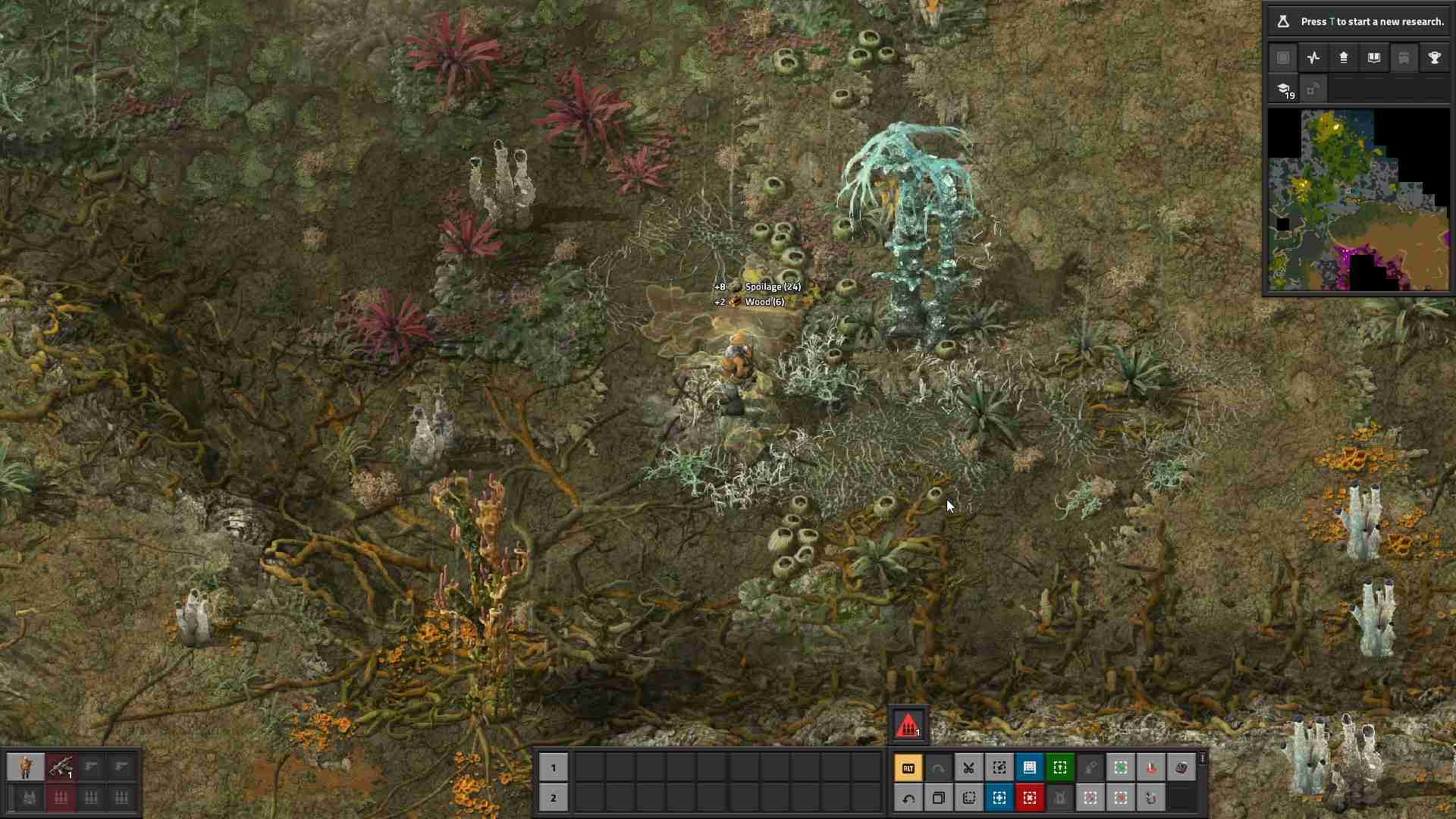
Gleba has a low solar output, making solar panels a weak choice for power. Its spoilage system means harvested resources decay quickly, so effective timing for collecting and using resources is essential. For example, fruits and plants from agricultural towers spoil fast, requiring a precise transport system to avoid waste.
The swampy terrain on Gleba also needs extensive landfill to create stable base areas. Efficient stone mining is critical, but requires a reliable power supply, so have your infrastructure in place before arrival. Mistakes or lack of preparation can slow progress or even force a restart.
Preparations for Your Gleba Expedition
1. Pack Key Logistics Equipment: Players report issues with minimal setups. Bring inserters, belts, landfill, and enough materials to build agricultural towers and biofuel production facilities.
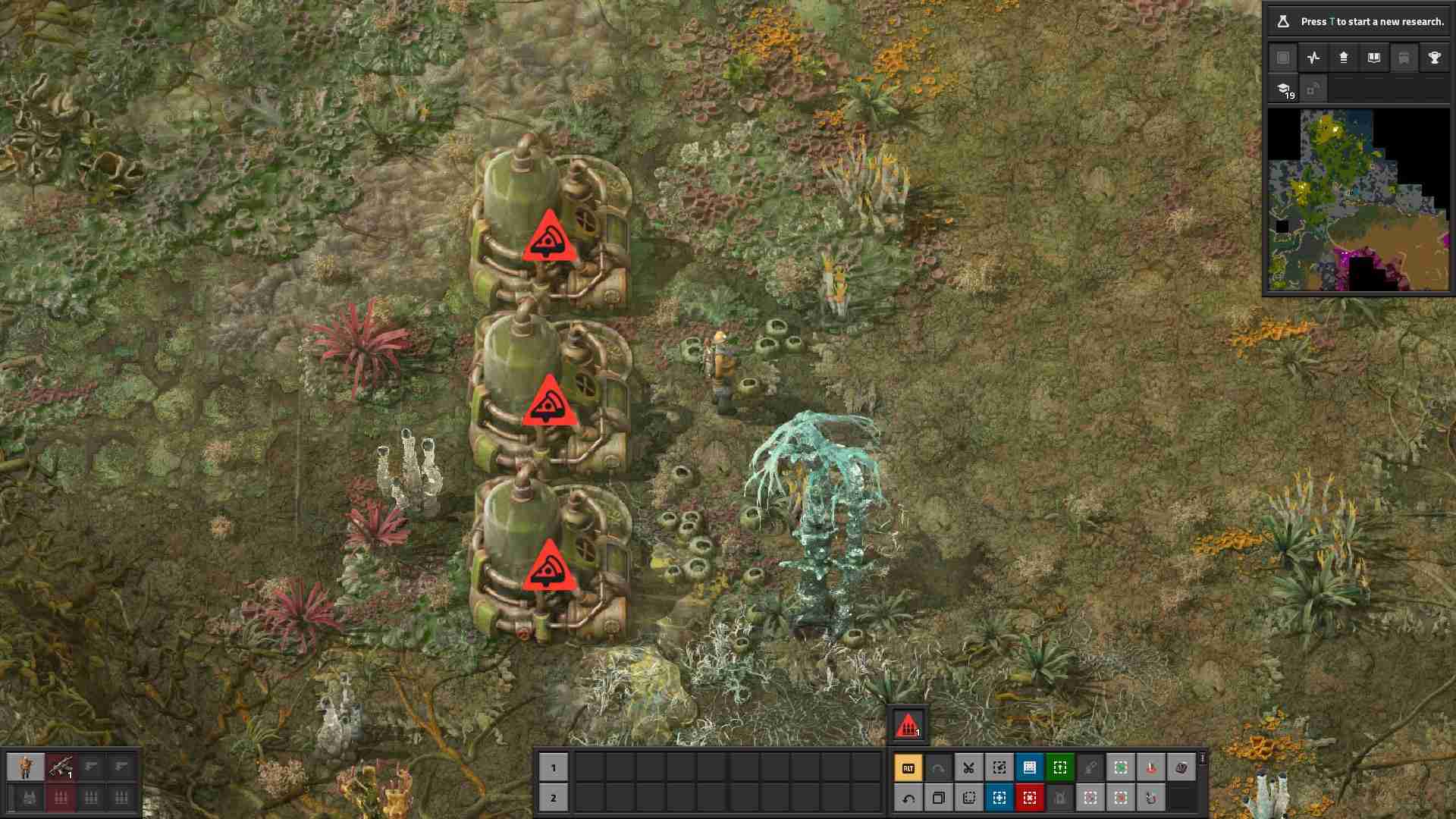
2. Collect Materials for Biofuel: Biofuel is essential for steam engines here. Biochambers are useful for producing fuel from organic resources, although they are not yet optimized for every planet.
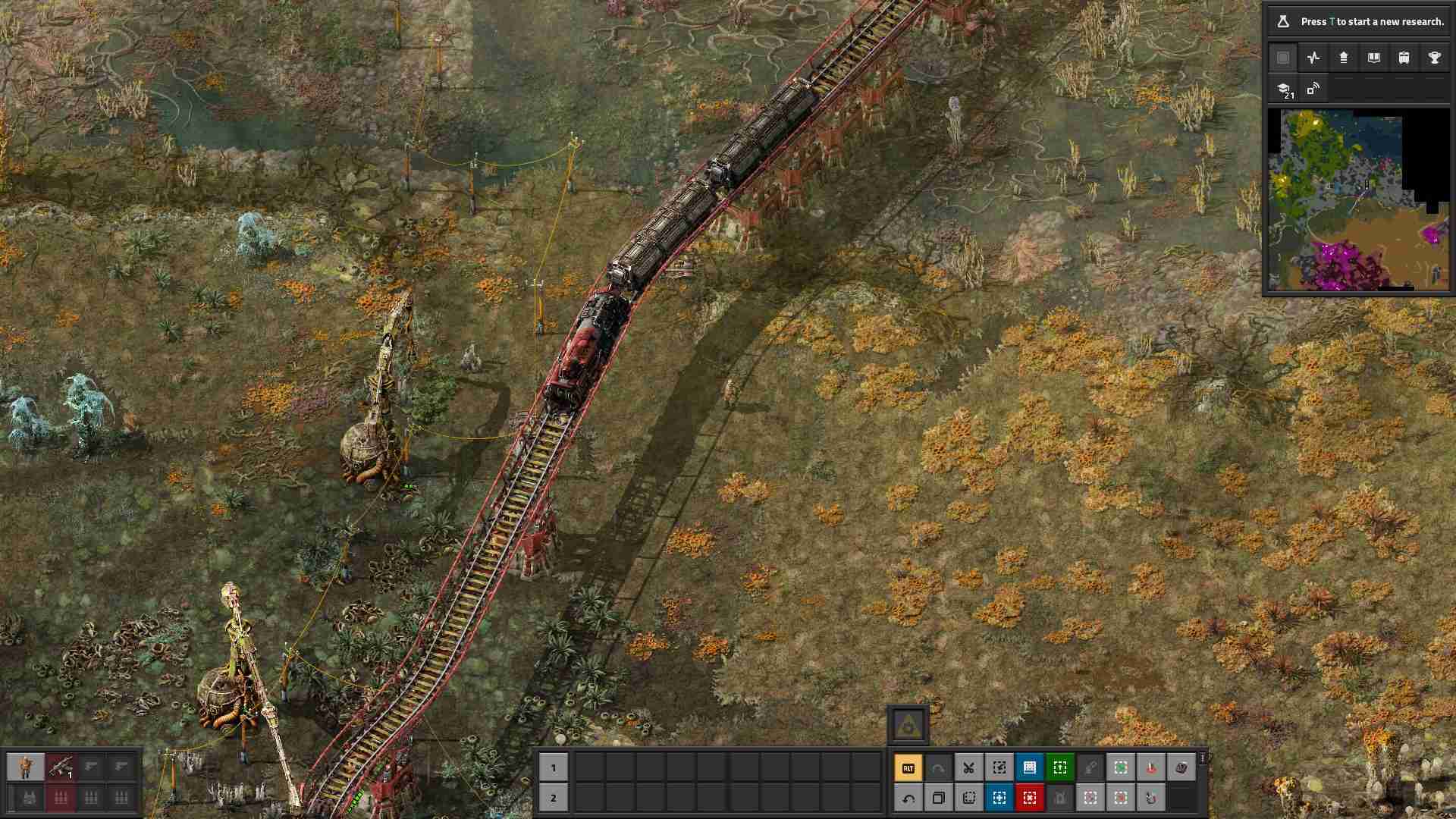
3. Set Up Transport Infrastructure: Railways and circuit networks have become essential on Gleba. For instance, trains stationed to transport resources from ag towers on-demand help minimize spoilage.
Power Setup for Efficient Energy
Starting Your Power Generation
- Steam Engines with Biofuel: Steam engines powered by biofuel provide a reliable foundation. Position your steam engines near plant clusters to ensure a steady biofuel supply.

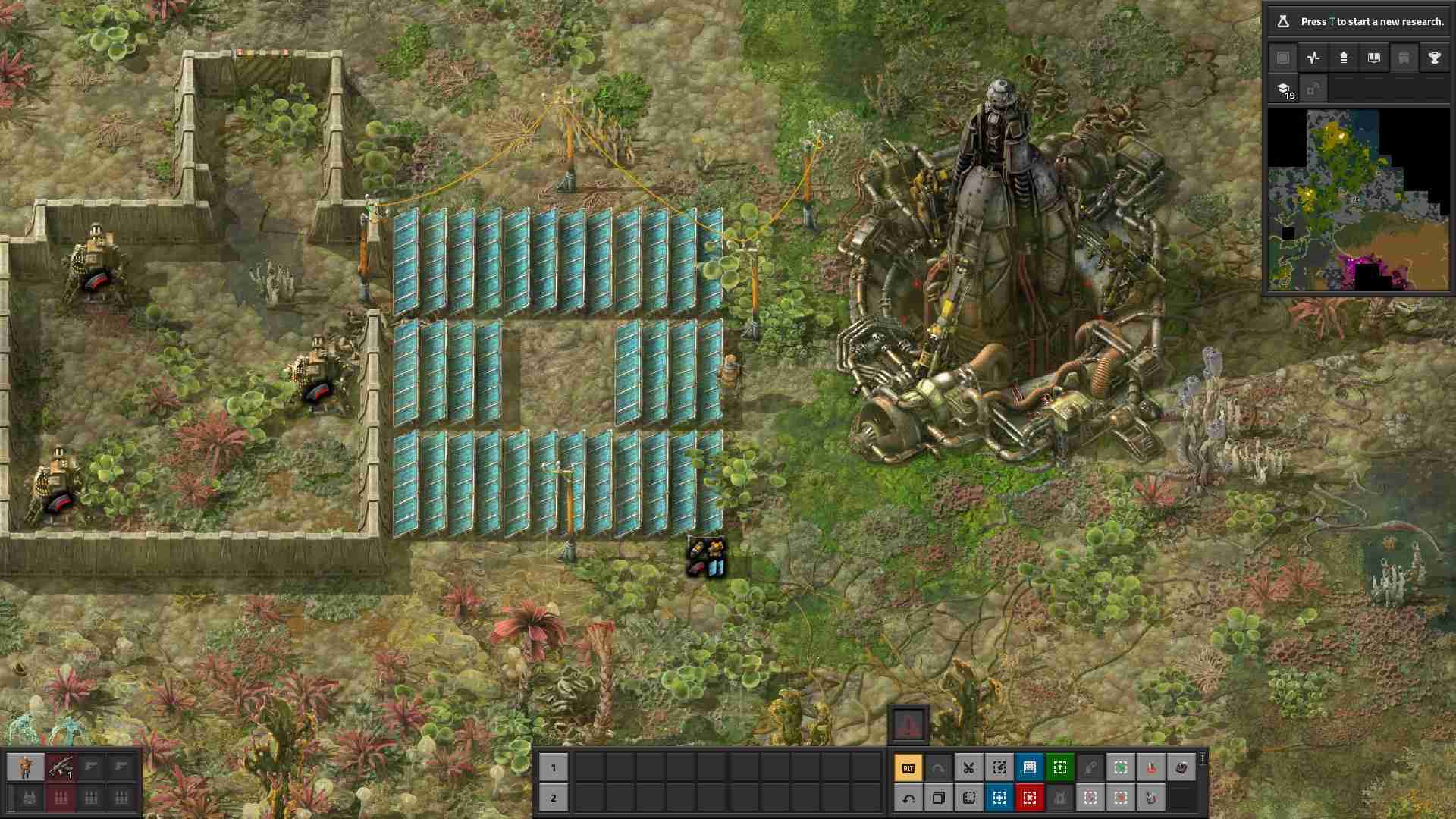
- Solar Panels for Supplementary Power: Although solar is limited here (30kw per panel), adding some can support inserters and smaller assemblers, lightening the load on your primary fuel supply.
Handling Spoilage and Automation
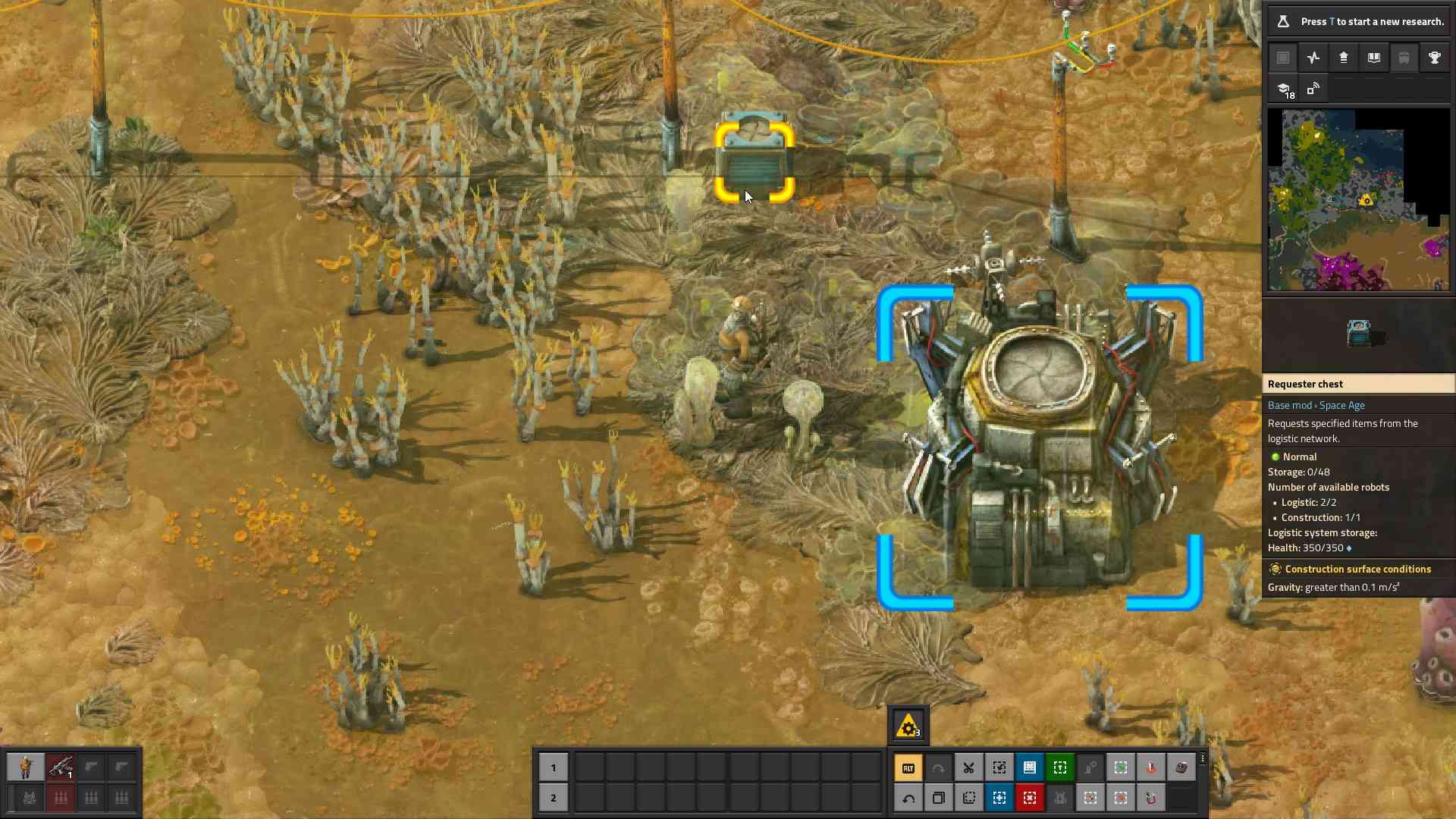
- Automate Resource Handling: Logistics robots and requester chests will streamline transport and reduce resource spoilage. Also, bioreactors and composting systems are useful for handling spoilage byproducts.
- Time-Sensitive Harvesting: Enable agricultural towers only when transport is ready to pick up resources. Once your rail system is active, align harvest timing to prevent spoilage.
Long-Term Resource Management
Building on Gleba requires smart layouts and significant landfill for base stability. Stone mining is a top priority for landfill production, but establishing a steady fuel supply first is critical to avoid power issues.
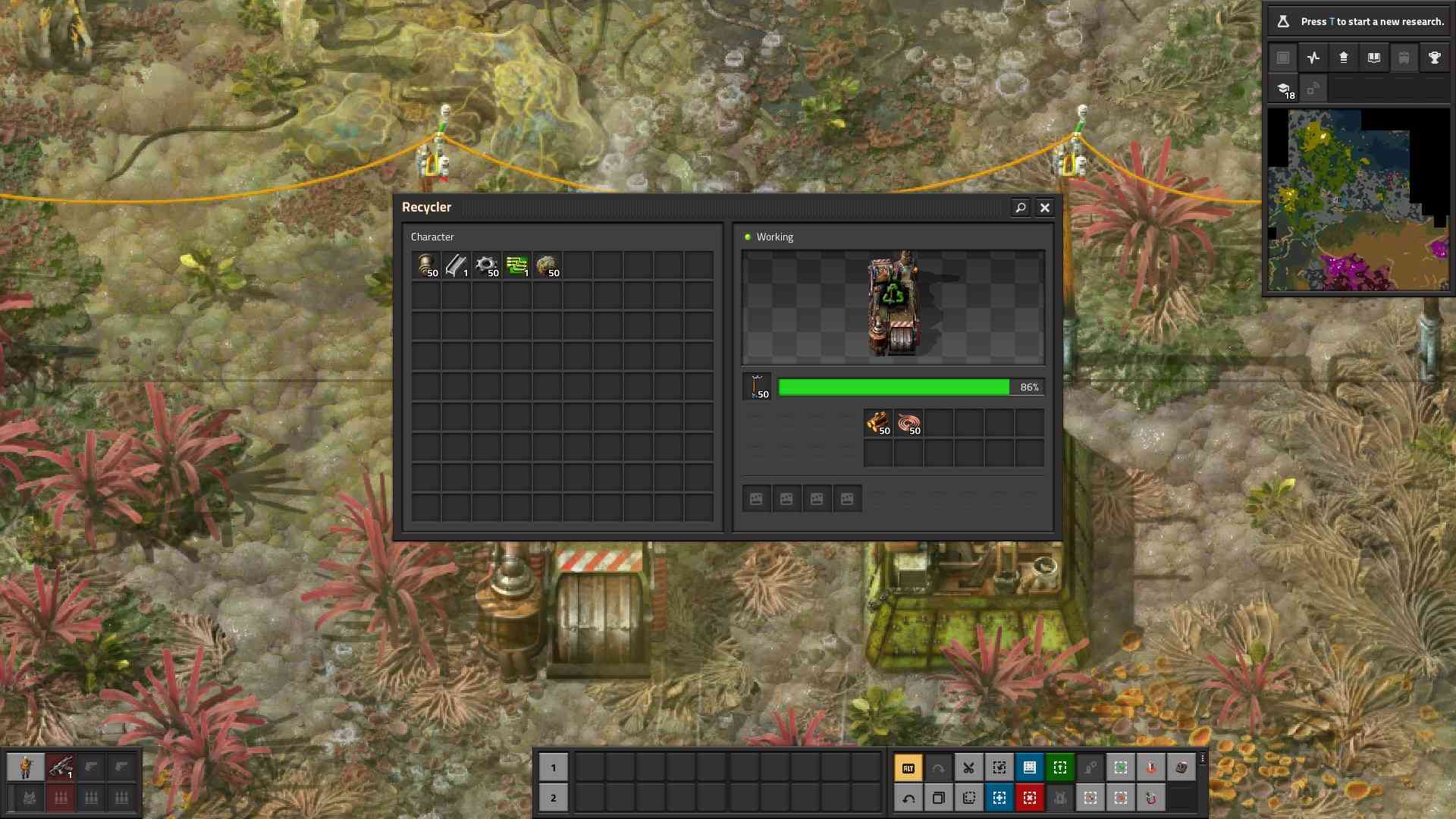
1. Recycle Spoiled Resources: Recycling systems can process excess spoilage or unused plants, ensuring a steady biofuel source and limiting waste.
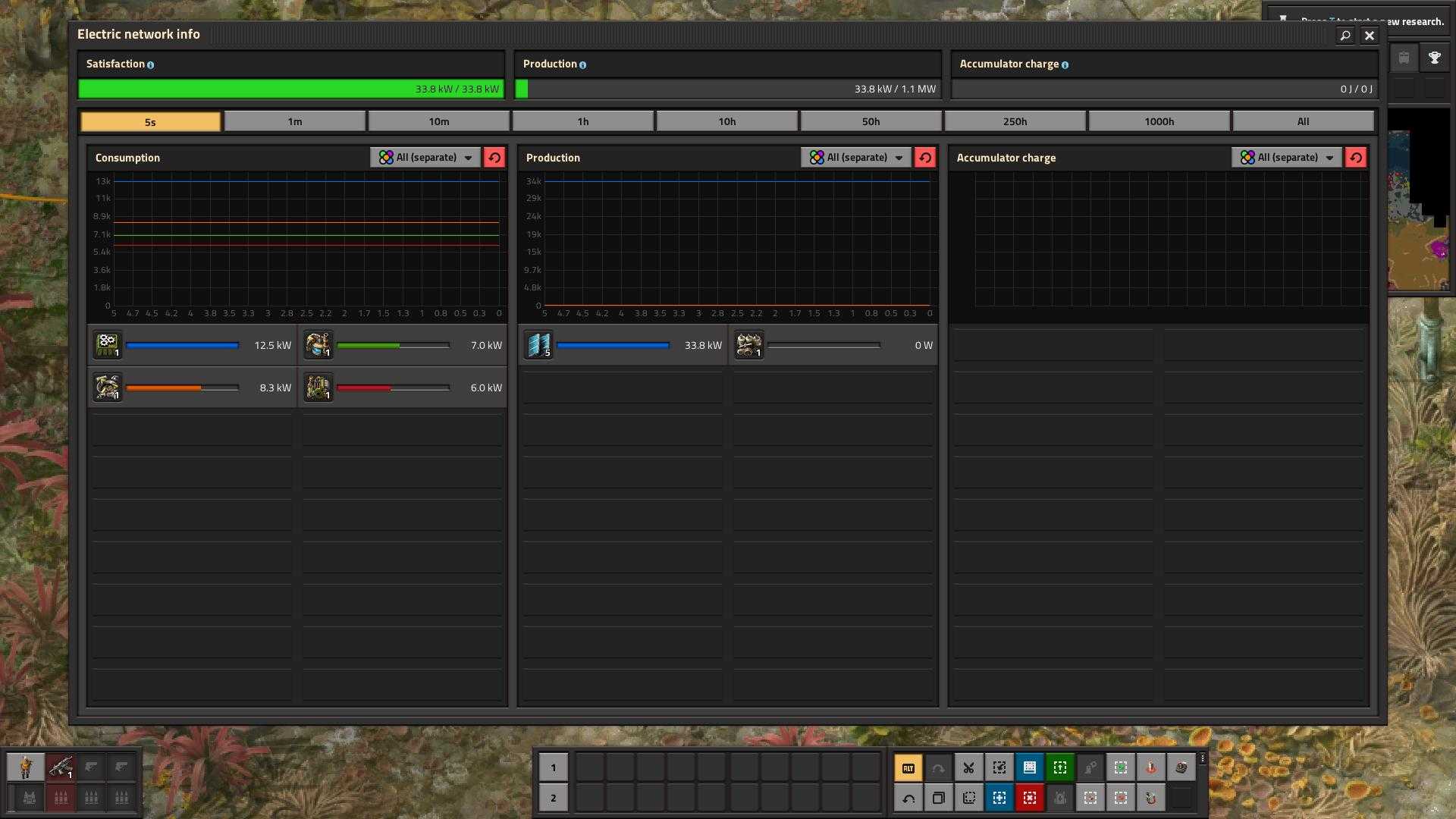
2. Monitor Power Usage: Power shortages can have a domino effect on your resources, so stay aware of your power needs and fuel stock.
With careful preparation and resource management, Gleba’s unique challenges can be overcome. A solid logistics network and efficient timing for automation will support a stable base and sustainable power. Plan thoroughly, adapt your approach, and Gleba’s resources will serve your base well.