
How to find and use snow and tropical cows in Minecraft Spring to Life
The classic Minecraft cow has finally gotten some wild new siblings. With the Spring to Life game drop, cows now have biome-specific variants that are just as useful as the original but way more stylish. You’ll now come across cold cows in snowy places and warm cows in hot biomes. These new cows look different, sound awesome, and can be used just like regular cows for farming milk, leather, beef, and even more immersive builds.
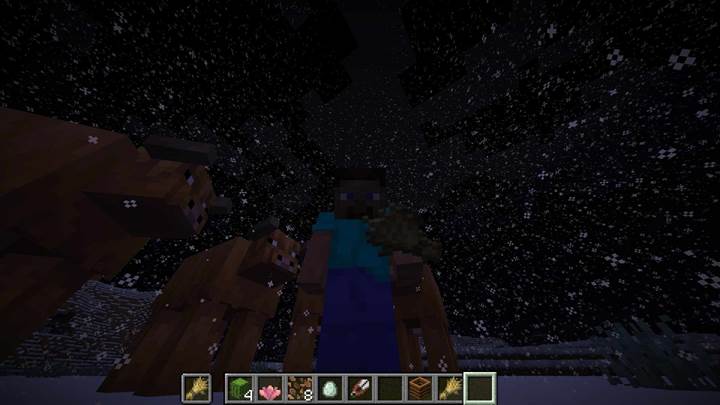
Snow Cows
Snow cows, also known as cold cows, hang out in the chillier parts of Minecraft’s world. You’ll spot them in places like Old Growth Spruce Taigas, Snowy Taigas, Windswept Hills, and even Windswept Gravelly Forests. These cows are inspired by real-life highland cattle, with shaggy coats, darker fur, and stubby straight horns that look ideally suited for the snow. They spawn the same way as temperate cows, usually in four groups on grassy blocks with a couple of blocks of space above. Just bundle up and stroll through any snowy or pine-filled biome, and you’ll probably find a cold cow chilling out nearby.
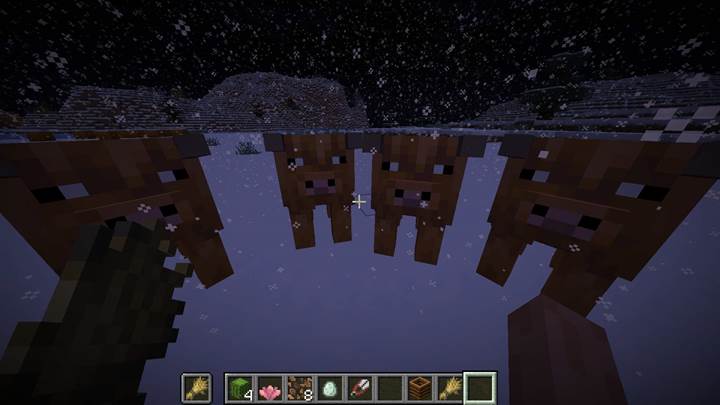
Tropical Cows
Warm cows are their tropical cousins, showing off a bold reddish-brown coat and twisted horns that look like something out of a lava biome. You’ll run into these stylish cows in savannas, jungles, badlands, and all the warm biome spin-offs like bamboo jungles and eroded badlands. They love dry dirt and warm air and are easy to spot against the bright landscape. Like cold cows, they usually appear in herds on grassy spots and love roaming around sunny cliffs and valleys.
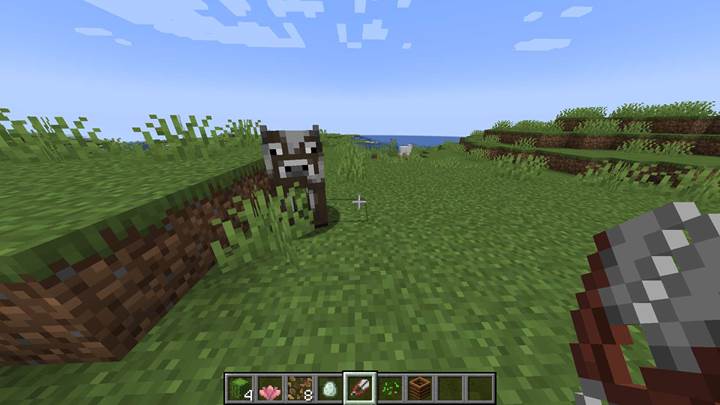
How to use Snow and Tropical Cows
Both cow variants work exactly like classic cows when it comes to functionality. You can milk them with a bucket for that classic infinite milk trick, which helps remove potion effects. You can feed them wheat to breed, and they drop the same raw beef and leather when defeated. Their main difference is visual and immersive - they make your farm feel more alive depending on the biome. It’s especially cool to theme your builds with matching animals, like a frost-covered barn with cold cows or a jungle outpost with warm cows mooing in the background.
How to breed
Breeding is super easy and works exactly like with regular cows. Grab some wheat and feed two adults to make them fall in love.
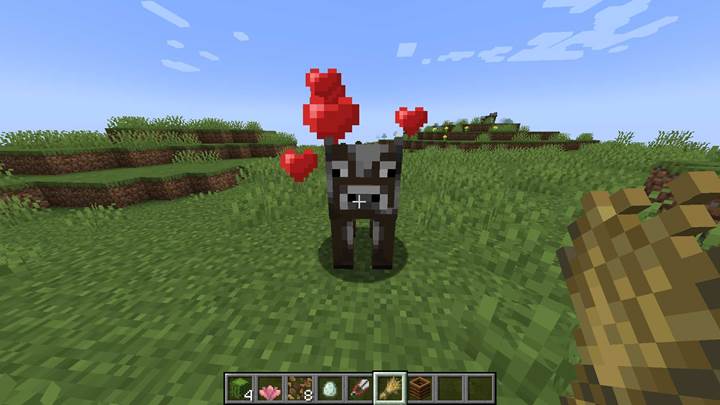
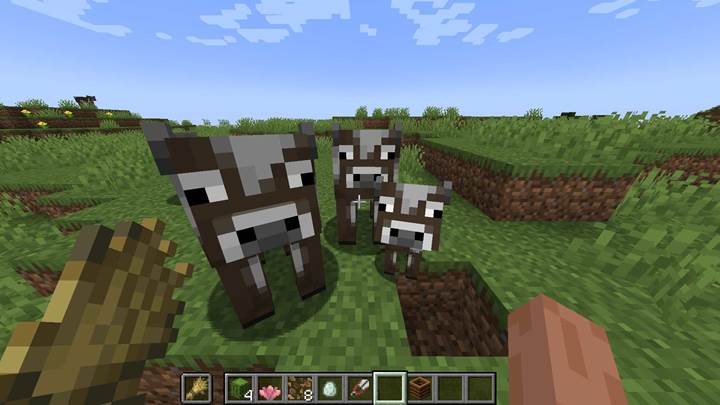
A few seconds later, a baby cow spawns. Now, when you breed cows of different variants - a warm cow and a cold cow - the baby will randomly inherit one of their appearances. So you never really know which one you’ll get, which makes collecting and breeding cows a bit of a surprise game. Babies grow in 20 minutes, but you can speed that up with more wheat, each shaving off 10% of their growth time.
Cow Pens
Want to create the ultimate cow paradise? Build your pens to match their environment. Cold cows love a frosty home with snow, spruce fences, and campfires to stay warm. Warm cows are right at home in dirt and sandstone builds with cacti and firefly bushes for decoration. It’s fun to bring more personality into your builds and impress your friends or just enjoy the scenery. Plus, it’s easier to organize them if your farm has themed sections.
Transporting
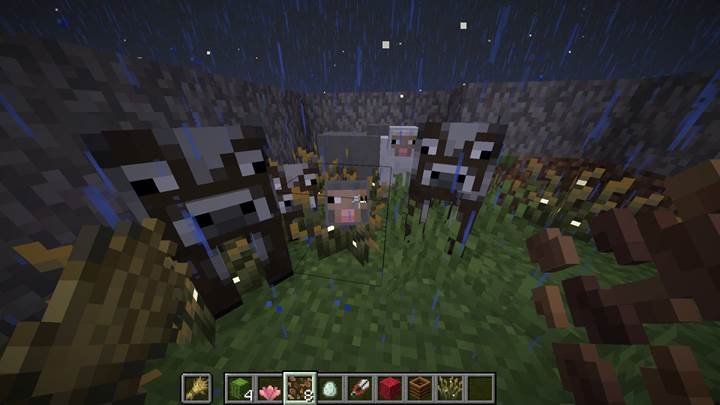
If you want to bring a cold cow to the jungle or a warm cow to the snow, no problem. Grab a lead and pull them along carefully or lure them with wheat. Be careful of terrain changes and cliffs since cows rarely follow tricky paths. Once they’re in your base, they’ll stay happy no matter the temperature. You can breed them with local cows, and the babies will still randomly be one variant or the other.
Cows are great for roleplaying, building biomes that actually feel different, and just spicing up the same old farming routine. Their new models look way cooler than the original, especially the cold cow’s fuzzy face and the warm cow’s bold horns. They’re great for screenshots and give you an excuse to go exploring across biomes.
With new ways to farm, breed, and decorate, snow and tropical cows are here to stay. So pack some wheat, start exploring, and build the ultimate multi-biome cow collection.