
How to clone in Rust
Growing crops in Rust isn't just about planting and waiting. If you want to supercharge your resource game, you need to master cloning and crossbreeding. Get ready to create top-notch clones and maximize your farming results with this guide.
Understanding Plant Genetics:
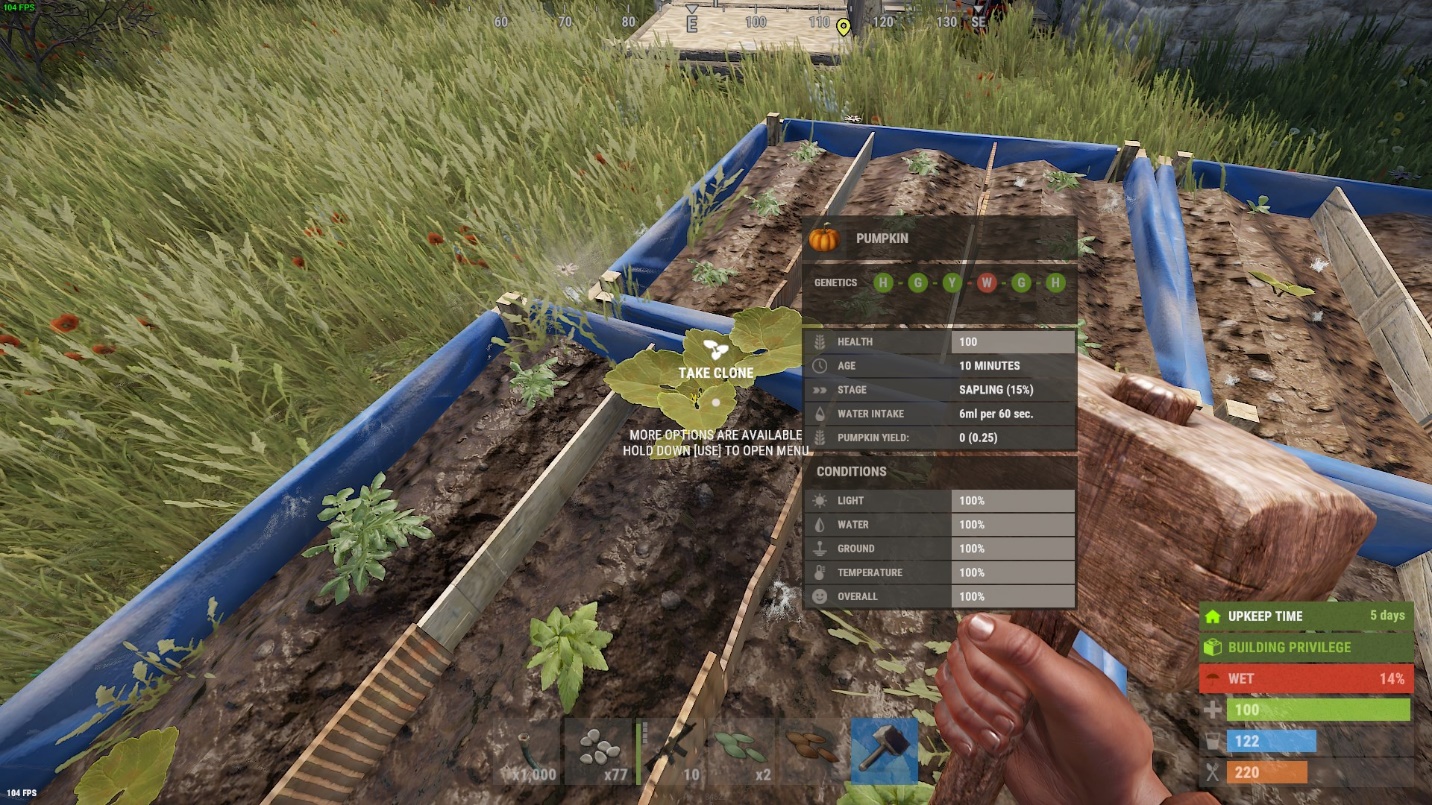
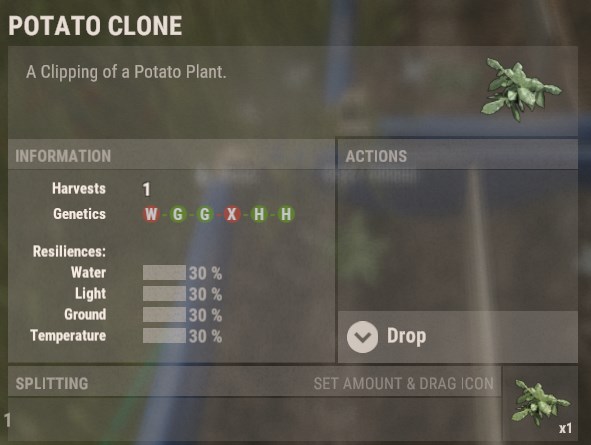
Rust plants come with six gene slots, each carrying one of five different genes. These genes—Y (yield), G (growth), H (hardiness), W (water), and X (blank)—impact productivity and resilience. Combining the right genes, like YYYYGG or GGGGYY, is key for a bumper crop. We'll dive into gene mechanics and their role in crossbreeding.

Crossbreeding Breakdown:
Plants swap genes during crossbreeding, comparing with nearby plants of the same kind. Green genes beat red ones, with two greens overpowering a red gene. Crossbreeding happens anytime, no matter the plant's stage. Proper placement and donor clone selection ensure successful gene transfers and superior plant offspring.
Smart Farming Strategies:
Top-tier clones are the goal. Build a lineup of favorable clones to boost your odds of a perfect gene combo. Carefully set up your planter boxes, keeping plants out of crossbreeding range to maintain gene purity.
Consistent Harvests:
Replicate ideal clones for future crossbreeding to keep those top-tier crops rolling in. We'll talk about efficient cloning strategies, gene selection, and crafting the ultimate "God clone" for super yield.
Conclusion:
By mastering crop crossbreeding in Rust, you'll crank up your farming game and secure a steady resource flow.