
How to build Flat Solar Panels in Icarus Week 200
There’s something poetic about Icarus hitting its 200th weekly update milestone with a solar panel. The game that’s all about surviving a hostile planet now gives players the cleanest, most futuristic way to harness energy - and it’s as stylish as it is practical. The Flat Solar Panel isn’t just another craftable object; it’s a design statement for your outpost, a nod to efficiency and aesthetics in equal measure.
Flat solar era
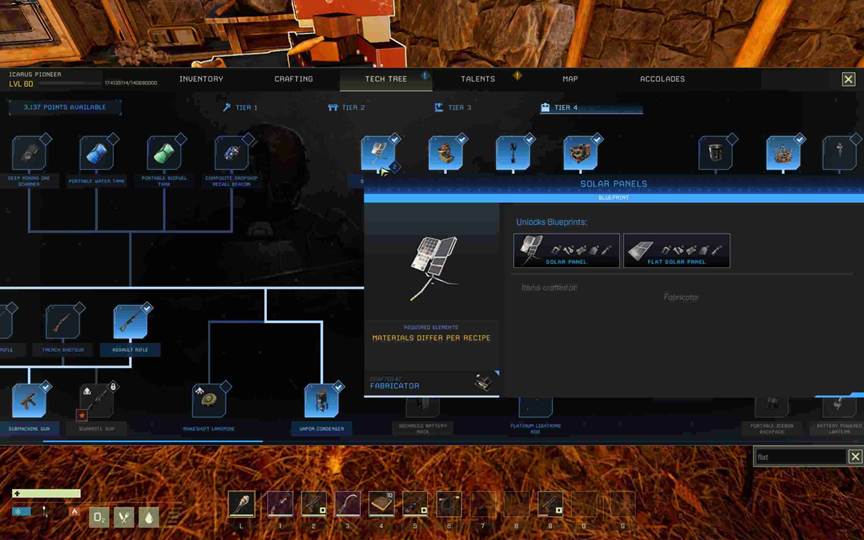
You’ll find the Flat Solar Panel unlocked through the same tech branch as its older, upright sibling. No extra points, no new prerequisites. Once you reach Tier 4 and hit Level 30, you’ll have it at your fingertips. This symmetry in progression is a smart design move - the devs clearly don’t want players grinding endlessly for a sidegrade. Instead, they’re offering flexibility. The idea is simple: choose form over formality. Do you want your solar arrays to tower like a field of mirrors, or blend seamlessly into your rooftop?
Craft your power source
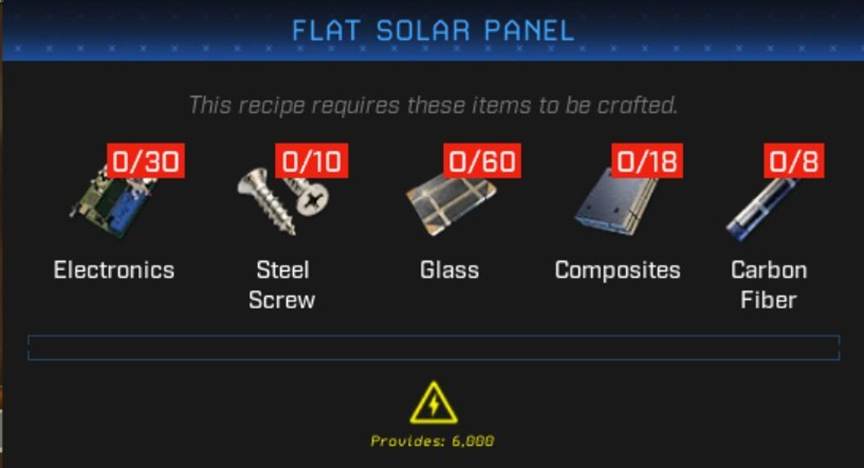
To build a Flat Solar Panel, head to your Fabricator - the heart of any late-game tech base. You’ll need 30 Electronics, 10 Steel Screws, 60 Glass, 18 Composites, and 8 Carbon Fiber. It’s not cheap, but nothing powerful on Icarus ever is. Each component feels like a commitment, reminding you that energy independence takes work. The crafting time itself is short, but assembling enough panels to power your base will have you mining silica and smelting alloys until your oxygen tank wheezes.
Install and placement tricks
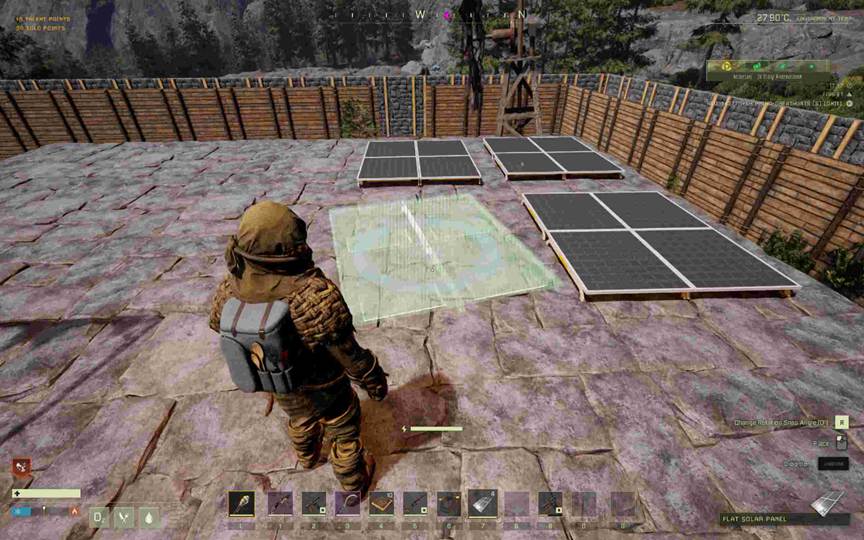
Here’s where the Flat Solar Panel truly earns its name. You can slap it directly onto any flat or angled surface - no awkward scaffolds, no unnecessary foundations. The lower profile means your base looks cleaner, more aerodynamic, almost like something a corporate terraforming team would build instead of a desperate prospector. Placement is key: you need an unobstructed line to the sun. Mountains, trees, or even your own walls can ruin efficiency. It’s a delicate dance between design and practicality, between wanting your base to look cool and needing it to actually work.
Power generation
Each Flat Solar Panel produces 6000 J/s in perfect sunlight. That’s solid, but here’s the catch - storms will throttle your output, sometimes drastically. Different storm types cause different drops in efficiency. You’ll watch your power grid flicker like an overworked lightbulb during a thunderstorm, which is both frustrating and immersive. This inconsistency means you’ll need storage. Pair your panels with Battery Racks to keep essential systems running when the weather (or night) rolls in. Think of solar panels as day workers - efficient and tireless under the sun, but they need backup when darkness falls.
Design aesthetics and base integration
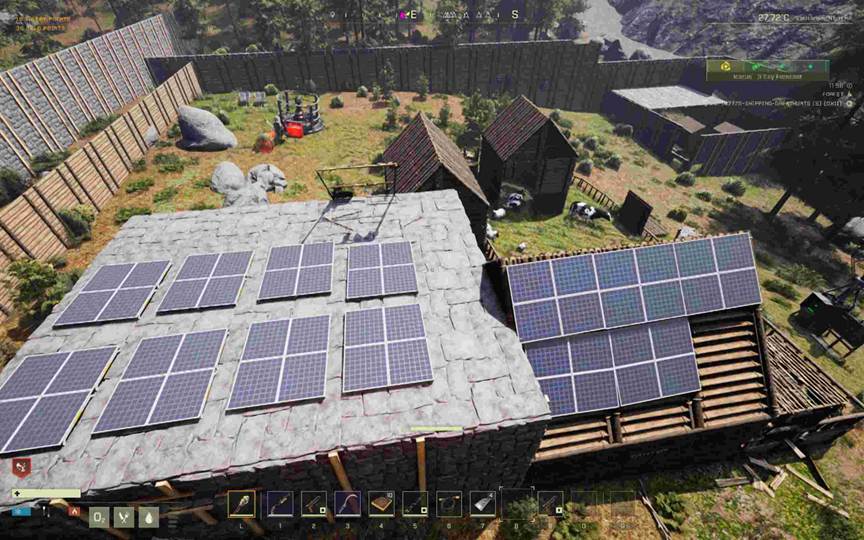
Let’s be honest: the main reason this update feels special isn’t just functionality - it’s style. The Flat Solar Panel gives your base that minimalist, high-tech polish that players have been craving. It’s like swapping a diesel generator for a Tesla roof. Suddenly, your base looks less like a survival shack and more like a colony prototype. The flat design fits beautifully on compact outposts and multi-tiered bases, freeing up space for greenhouses, power relays, or just that balcony you always wanted for planetary sunsets.
Efficiency through synergy
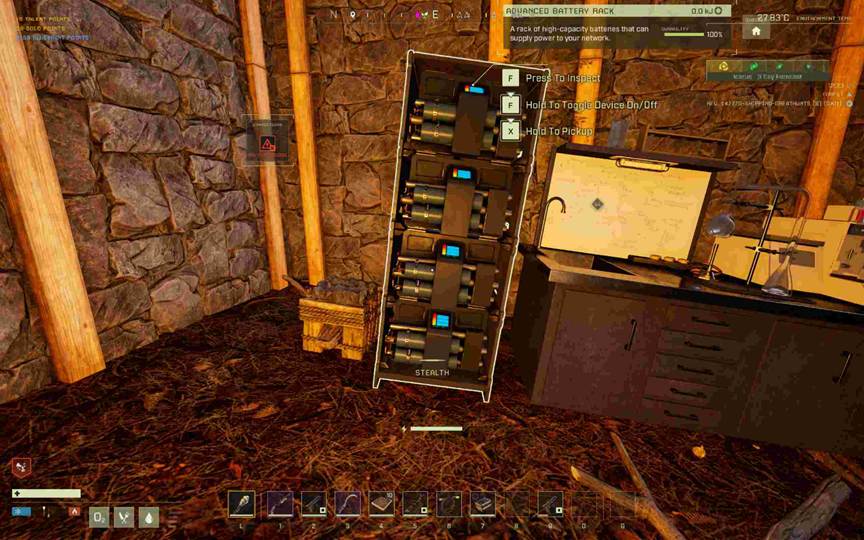
Power in Icarus is never about one item - it’s about a network. Flat Solar Panels are at their best when used as part of a layered system. Route their output into Battery Racks and then feed that stored energy into your crafting benches, refrigerators, or deep mining drills. During the day, your panels will hum away, recharging your entire base. At night, your batteries take over. This creates a smooth loop of self-sufficiency - the kind of sustainable tech ecosystem that makes you feel like you’ve finally beaten the planet’s chaos.
Comparing old and new
Functionally, both solar variants generate identical power. The difference lies entirely in form and placement. The standard panel stands tall, great for open plains and ground-level farms. The flat model, meanwhile, shines in vertical builds or mountain bases. The key takeaway? You don’t have to choose one forever. Mix and match. Mount flats on your roof and stand-ups on nearby ridges for maximum coverage. It’s a refreshing level of creative freedom that rewards players who care about both looks and logistics.
Strategic positioning and shadows
Sunlight on Icarus behaves realistically - even small obstructions can nullify your output. The trick is to scout your base location early and plan your panel layout around the planet’s day cycle. Watch where shadows fall, especially during storms. Some players even carve mountaintops or clear trees to maintain solar exposure. It might sound obsessive, but when your crafting bench loses power mid-repair, you’ll wish you’d been more meticulous.
Durability and maintenance
Like all machinery on Icarus, solar panels degrade over time. Each Flat Solar Panel sports 2,500 durability, but storms and random impacts can wear them down. The good news? They don’t require shelter and can even be placed underwater (though good luck getting sunlight there). Keep a repair hammer handy and give them the occasional tune-up. A well-maintained solar array will outlast most of your gear, becoming the silent backbone of your survival empire.
The Flat Solar Panel may not be the loudest addition in Icarus’s long history, but it’s one of the most meaningful. It encapsulates what the game has become: a balance of grit and elegance, efficiency and imagination. When you place that sleek black rectangle on your rooftop and watch your base come alive under the sun, it’s not just about watts or wiring — it’s about progress, both in-game and in how far Icarus itself has come.