
How to Build Concrete Barricades in Rust Update 2.0
In Rust Update 2.0, survival goes beyond resource gathering; it's about smart defense and careful planning. Concrete barricades play a key role in protecting your base from both NPCs and real players. Notably, Update 2.0 also fixed an issue where concrete barricades weren't displaying the correct skin when viewed from a distance, improving their visual consistency. Learn how to craft and effectively use these barricades to keep enemies at a distance in this new update.
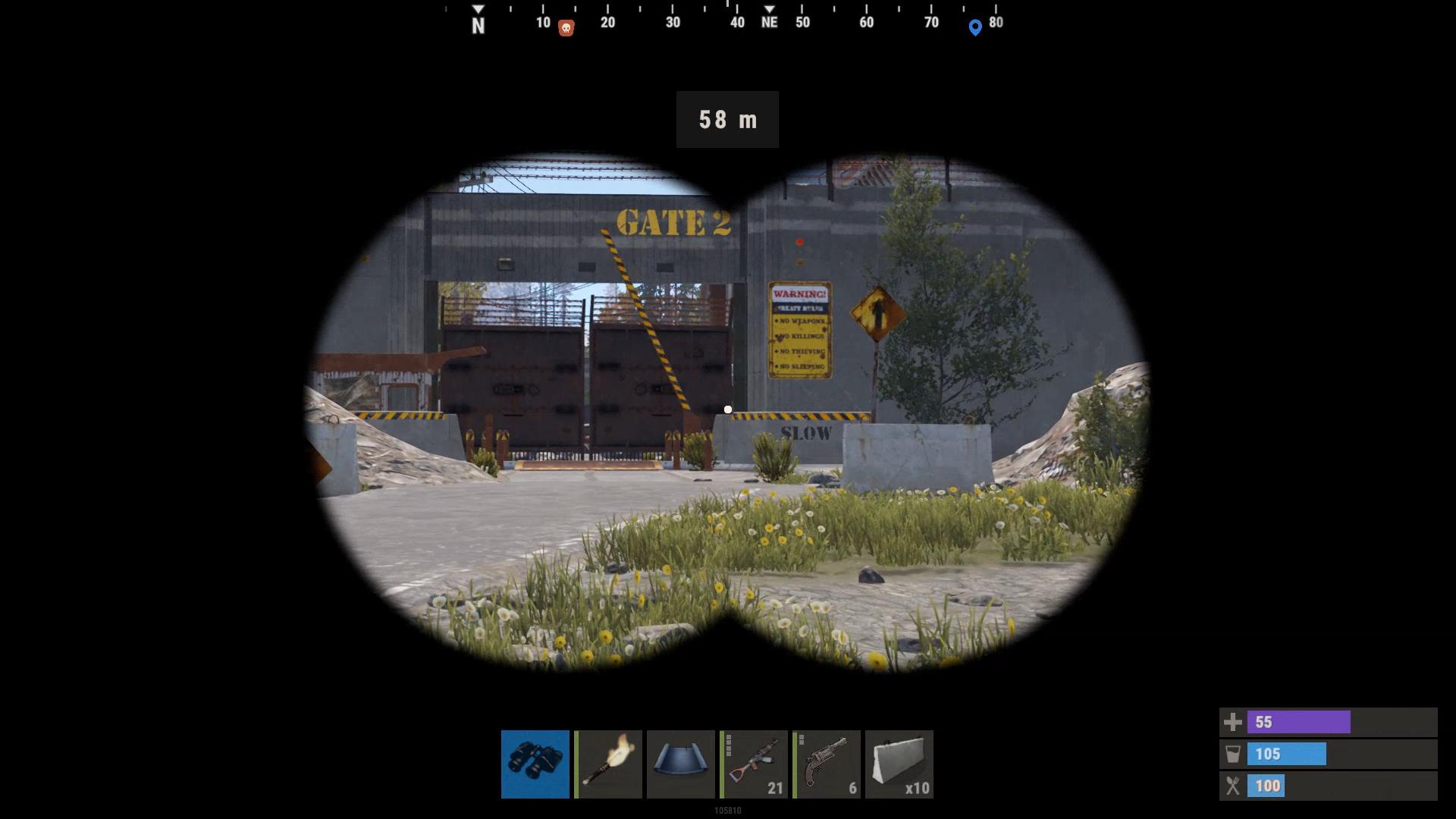
Crafting Concrete Barricades: What You Need
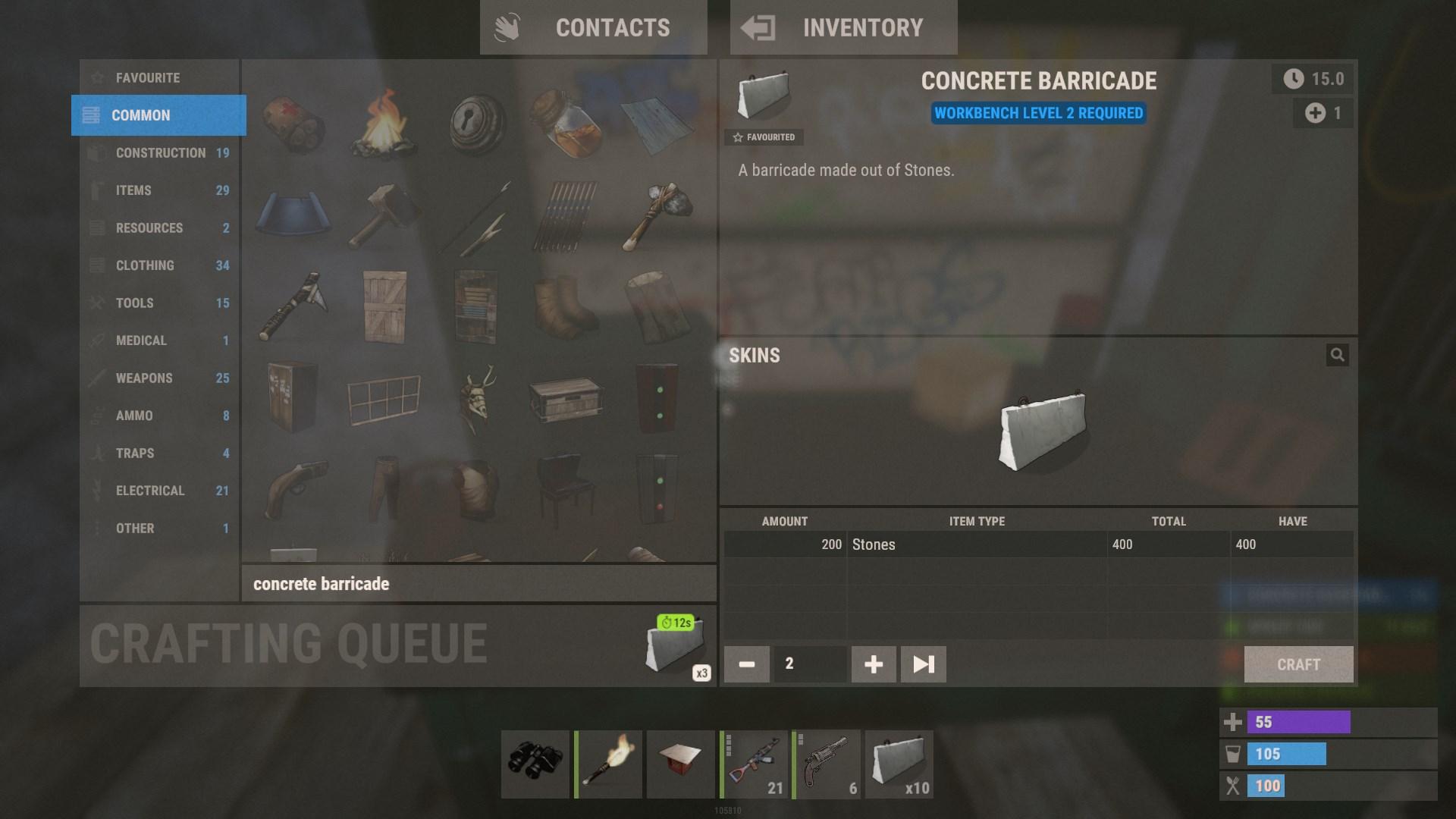
Concrete barricades require 300 stones to craft, which are relatively easy to gather if you've been stocking up for base construction. Stones can be collected by mining stone nodes. Once you have the 300 stones, crafting a barricade only takes 30 seconds. You can stack up to 10 in your inventory, making them easy to carry for when you need them most. Keep your crafting queue going so you're always prepared with a few barricades ready for deployment.
Why Use Concrete Barricades?
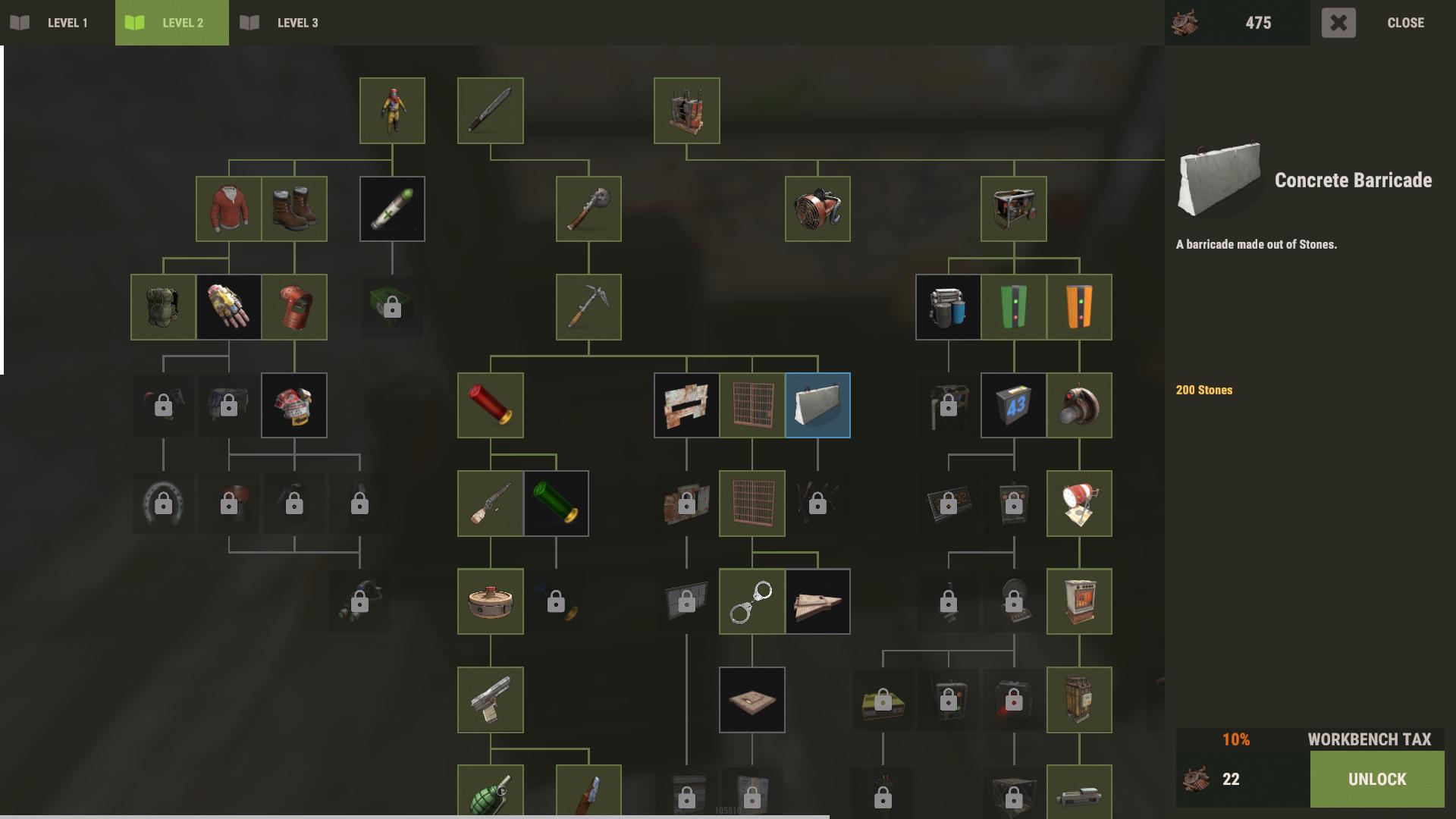
As a tier 2 blueprint, concrete barricades are more durable than wooden ones and are especially useful in PvP situations for shielding yourself from gunfire. With 500 health points, they can hold off attacks for a decent amount of time, giving you critical cover in tough spots. However, they do have their weaknesses. They don’t withstand melee attacks for long, and raiders can easily jump over them, so placing them too close to your base walls won’t provide the ultimate security.
Best Placement
Concrete barricades work best when positioned on elevated terrain. Since they’re the height of a crouching player, placing them on flat ground may not offer much of an advantage. Instead, use hills, rooftops, or the shooting floors of your base to maximize their defensive benefits. When defending against a raid, barricades on tower rooftops provide the ideal angle to fend off attackers from a safer distance.
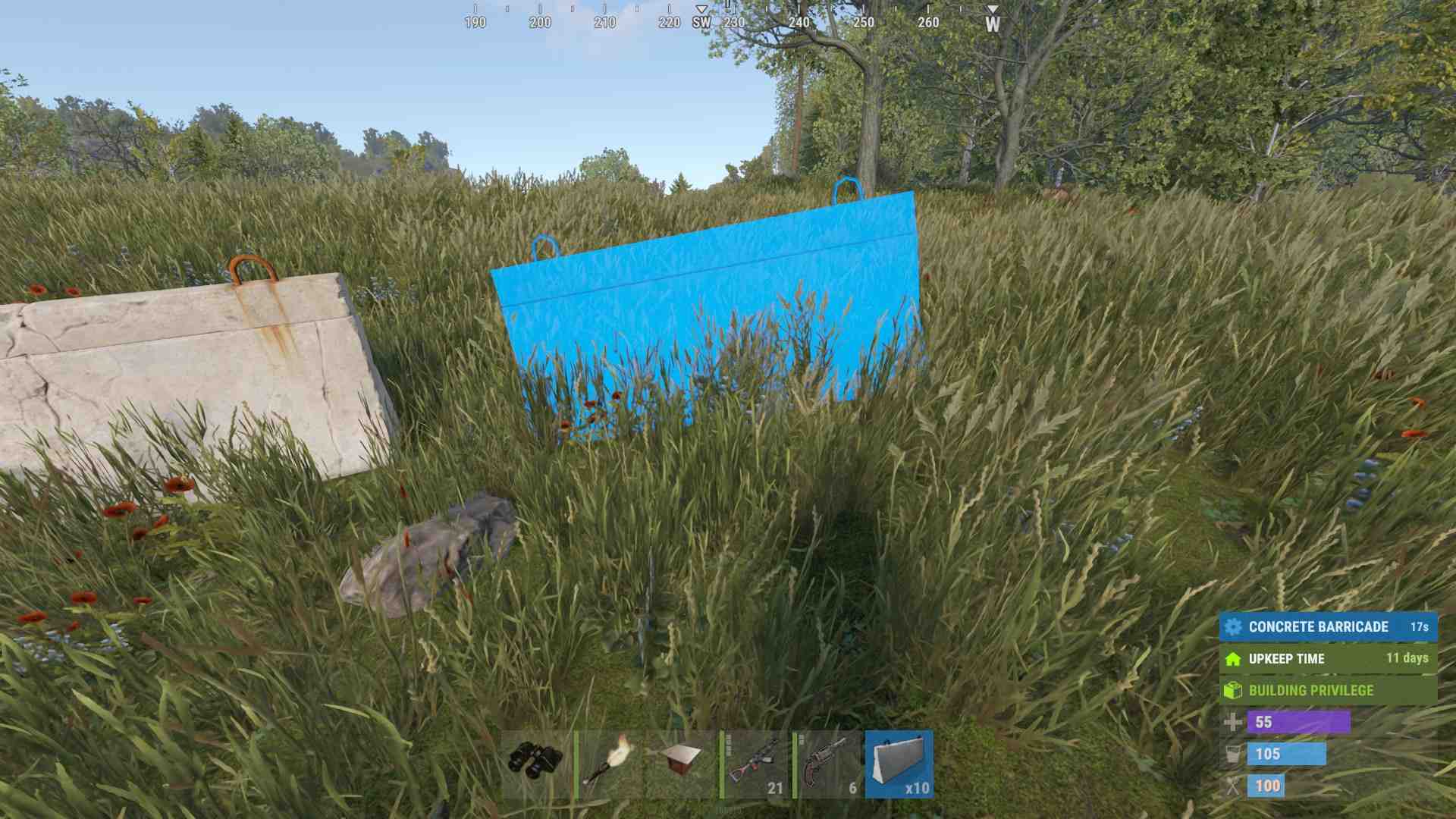
Although they don’t contribute to your base's upkeep, concrete barricades won’t decay as long as they’re within the range of a Tool Cupboard. This makes them reliable for long-term defense around your base without needing frequent replacement.
Tactical Use in PvP
In the heat of battle, concrete barricades are invaluable for setting up quick defenses. Whether you're outnumbered or need to retreat, placing a barricade can give you the extra seconds needed to regroup, heal, or reload. Their quick crafting time and portability make them an excellent on-the-go defense option. Just be mindful—they won’t withstand a prolonged or intense attack.
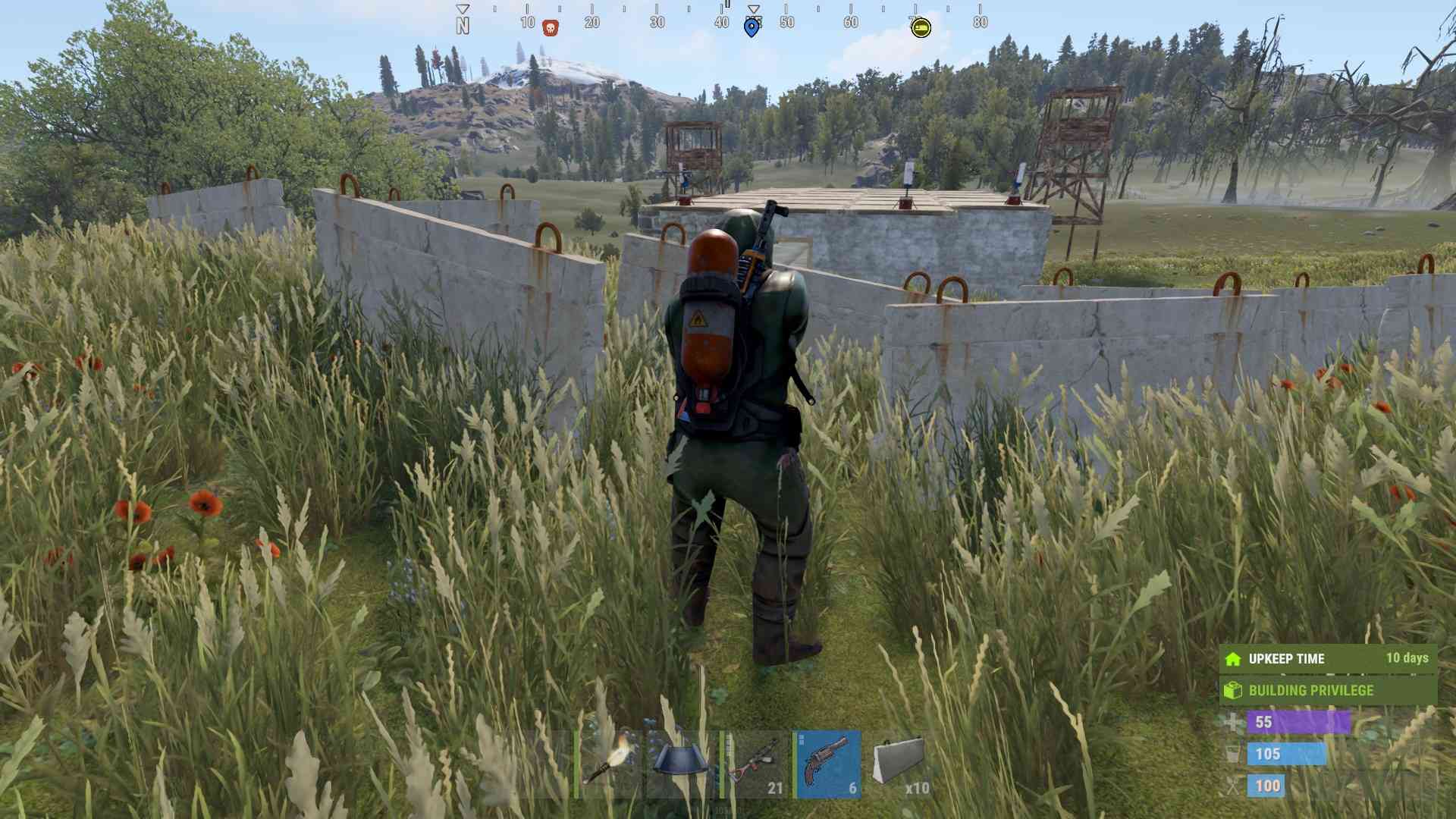
When playing with a team, barricades can help create choke points. Blocking certain paths or narrowing enemy movements into tight spaces allows you to control the fight more effectively. Think of them as part of a larger tactical plan, rather than a sole defense.
Complementing Your Base Defense
While concrete barricades are useful, relying on them alone won’t stop determined attackers. Since they can be broken with melee strikes and jumped over, it’s essential to reinforce your base with other defensive measures, like metal doors, high external stone walls, or automated turrets. The goal is to slow down attackers and give yourself the upper hand during raids.
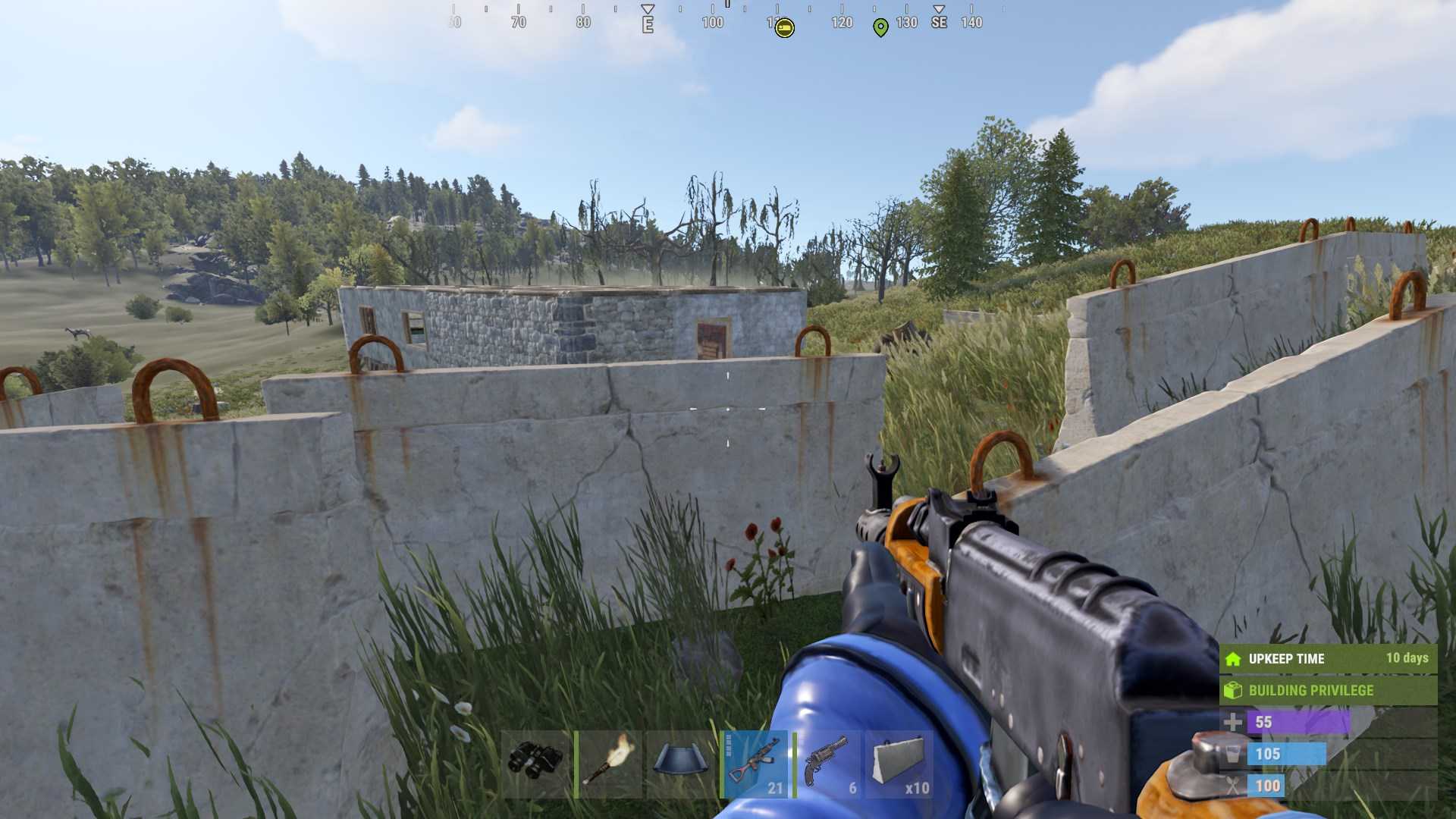
Concrete barricades in Rust Update 2.0 are a solid addition to your defense strategy, offering quick crafting, ease of deployment, and reliable protection during combat. While not indestructible, their durability and strategic placement can help secure your base and give you the edge in PvP situations. Keep them as part of a broader defense plan, and whether you're playing solo or with a group, having a few on hand could be the key to survival in a raid.