
How to Build a Raft in Sons of the Forest, Design, and the Return of a Classic Feature
After a year of speculation and player demand, Sons of the Forest reintroduces the raft system - not merely as nostalgia, but as a functional evolution of base-building and survival strategy on water.
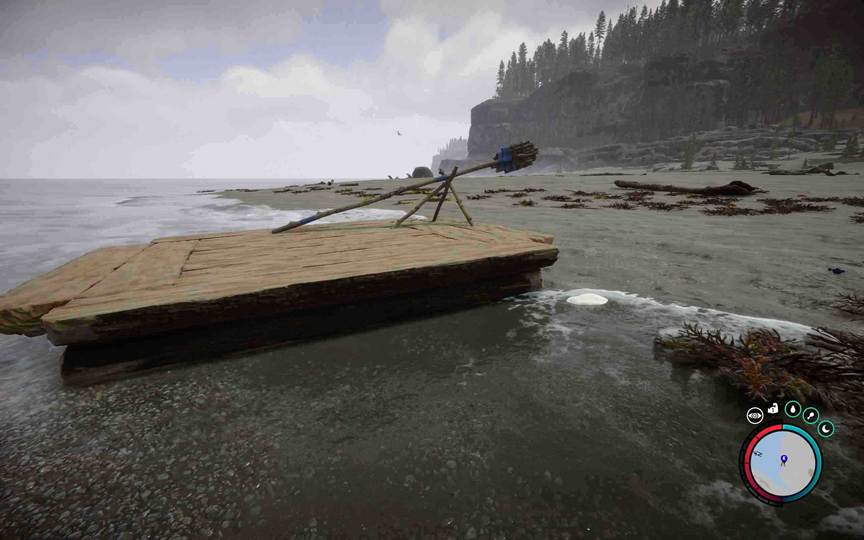
Design and Construction
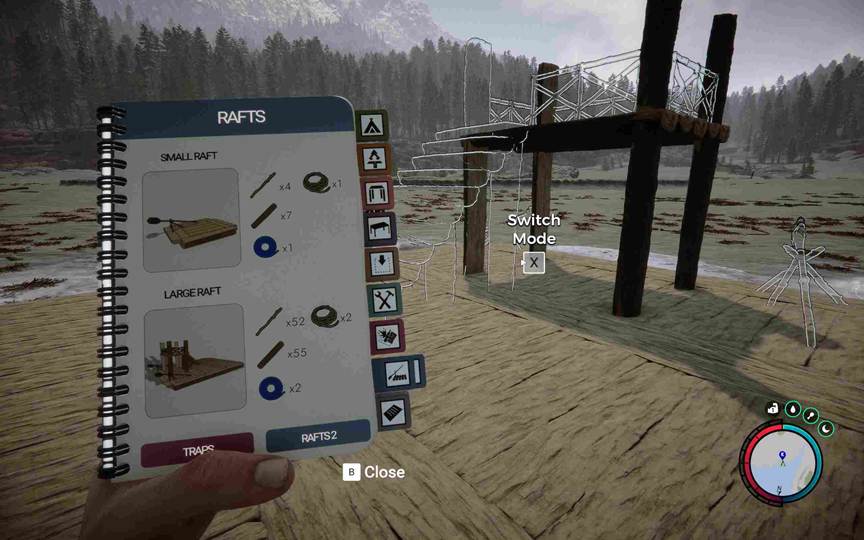
Each raft type serves a different role within the survival meta, balancing accessibility, scalability, and defensive utility. The crafting recipes mirror the game’s signature tactile system - using logs converted into planks, sticks for framework, rope for tension, and duct tape for reinforcement.
Small Raft – 4 sticks, 7 logs (13 planks), 1 duct tape, 1 rope.
Best for solo use and quick transport. Its low material cost and maneuverability make it ideal for early-game exploration.
Large Raft – 52 sticks, 55 logs (109 planks), 2 duct tape, 2 rope.
Offers a broad deck for customization. Players often add storage crates, drying racks, or small shelters.
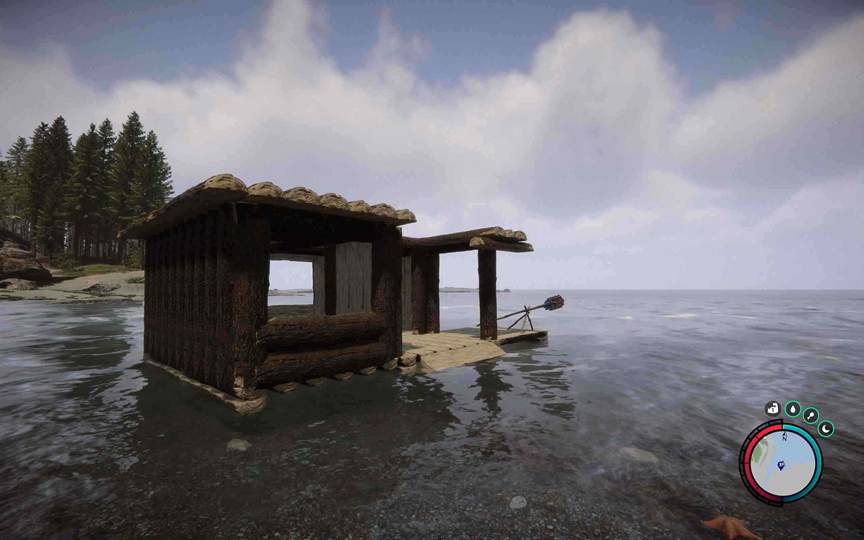
House Boat – 4 sticks, 63 logs (116 planks), 1 duct tape, 2 rope.
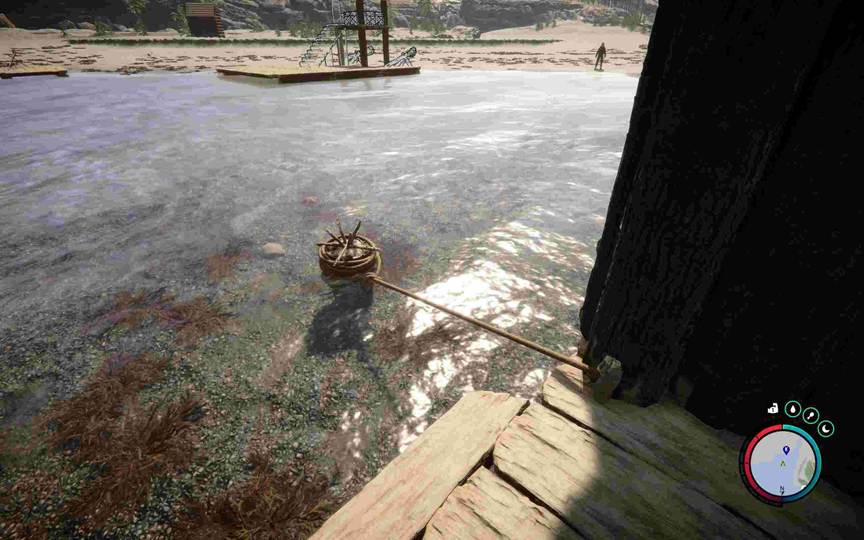
Functions as a mobile base with an interior and roof. It trades speed for stability and living space. Rafts can only be deployed on sufficiently deep water, and each must be manually pushed or paddled. The introduction of mooring posts - crafted with 6 sticks, 1 log, and a rope - adds a subtle but significant layer of physics-based realism. Attaching a raft to a mooring prevents it from drifting away in storms or currents, addressing a long-standing problem from the original game’s floating structures.
Functionality and Meta Relevance
The raft’s mechanical function intersects with several major survival systems - defense, exploration, and resource management.
Defensive Value:
Cannibals and mutants still cannot swim, maintaining the water’s role as a natural barrier. Building offshore eliminates the need for elaborate perimeter defenses, though it introduces new logistical challenges like resource ferrying and distance from inland food sources.
Mobility and Storage:
Rafts offer slow but secure traversal along lakes and coastlines. The Large Raft and House Boat can double as mobile storage platforms, ideal for transporting logs or loot between regions. While sailing is manual and lacks wind physics, its consistency ensures predictable navigation without risk of mechanical failure.
Environmental Dynamics:
Winter still imposes limitations: lakes freeze, immobilizing rafts temporarily. However, rivers and flowing water remain unfrozen, preserving access routes. This seasonal interaction adds tactical depth - water bases are safe, but not invulnerable.
In community terms, the raft has reintroduced the “offshore living meta.” Reddit’s survival forums and Steam discussions note a resurgence of players returning to hybrid builds - docks extending from coastal bases to floating structures. YouTube creators highlight creative adaptations, such as multi-raft villages and mobile repair stations.
Design Philosophy and Limitations
The reintroduction of rafts reveals much about Endnight’s evolving philosophy. Early Sons of the Forest updates leaned toward grounded realism - restricting overly “gamey” features. The absence of rafts initially symbolized this restraint, discouraging overreliance on “safe zones.” Yet player behavior consistently favored experimentation, pushing Endnight to reconsider.
Still, compromises remain. Rafts cannot host advanced structural expansions; while players can place decorative items or survival book furniture, full-scale construction (like wall systems) remains limited to balance performance and gameplay fairness. The physics system prioritizes stability over simulation - water buoyancy, for instance, is static rather than dynamic.
Technically, the feature represents a careful midpoint: enough interactivity to feel meaningful, but not so much as to destabilize multiplayer sessions or AI pathfinding.
The raft’s addition completes Sons of the Forest’s circle of survival. It restores a vital strategic dimension - water as refuge - without undermining the game’s tension-driven ethos. Its simplicity conceals a layered functionality: security, transport, modular creativity, and environmental interdependence.
Possible evolutions - such as sail mechanics, fishing modules, or naval AI encounters - could transform the late-game loop into something far richer. For now, the raft stands not just as a nostalgia callback, but as an emblem of the developers’ willingness to listen and iterate.