
How the Coin Toss mechanic actually works in Palworld v0.7 combat
Palworld v0.7’s ULTRAKILL collaboration adds more than cosmetic fan service: it drops a rules-bending aiming mechanic into a game where ranged combat is usually defined by conventional firearms, ammo economy, and Pal-assisted pressure. Coin Toss is marketed as a Ricoshot system that ricochets bullets off a thrown coin to hit nearby targets, but its real value is in how it rewires targeting, weak-point consistency, and tempo under aggro. Used well, it becomes a tool for controlled chaos rather than a simple damage button.
Trigger the coin toss reliably
Coin Toss is tied specifically to the Marksman Revolver, and the first thing it changes is input behavior. When the revolver is equipped, the game repurposes the player’s throw action so that Pal Sphere throws are replaced with Coin Toss, meaning the same muscle memory used for utility throws becomes the mechanic’s delivery system.
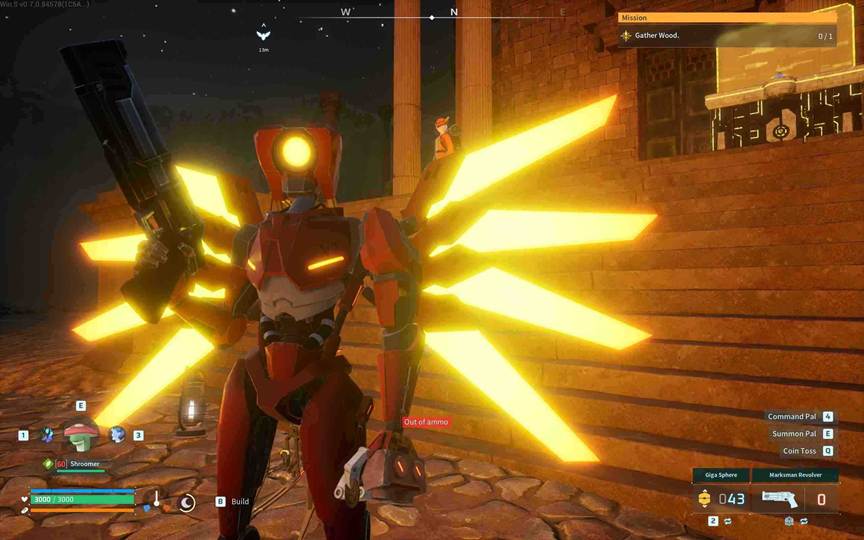
With the Marksman Revolver equipped, press the throw button (Q on PC) to toss a coin, then immediately shoot the coin with the fire button (left mouse button) to trigger a Ricoshot toward an active enemy.
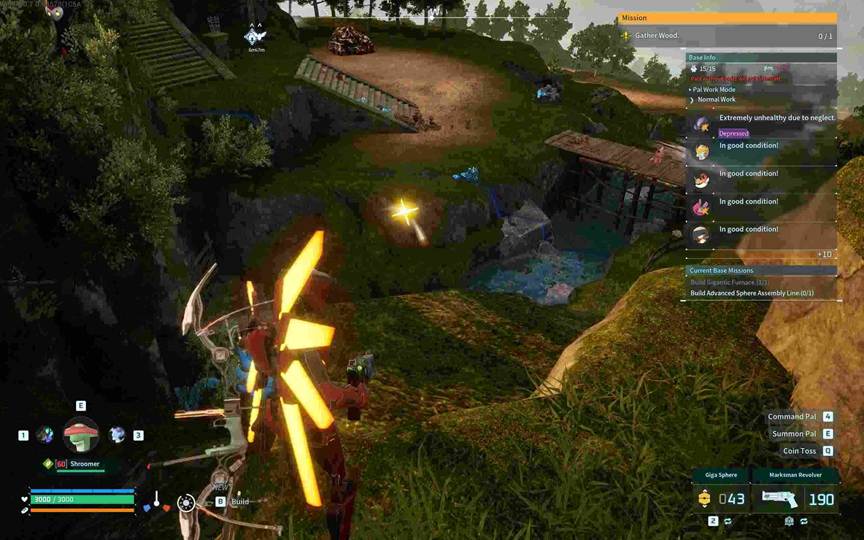
Execution is intentionally forgiving. The coin does not demand precision in the way a thrown grenade does, because the skill check arrives after the throw: the player must connect a shot on the coin to convert it into a ricochet. That sequence matters because it creates a rhythm of throw, confirm visual, fire, then immediately reassess target positioning, rather than simply holding fire until something drops.
A bullet striking a mid-air coin to initiate a Ricoshot in Palworld.
Predict what the ricochet will target
The advertised behavior is straightforward: bullets ricochet off the thrown coin and deal heavy damage to nearby targets. In practice, “nearby targets” should be read as a targeting selection step performed after the coin is hit, not as a purely physical bounce that behaves like a pinball. That distinction is crucial, because it means the mechanic is less about ballistics and more about snapping damage onto valid enemies inside a proximity window.
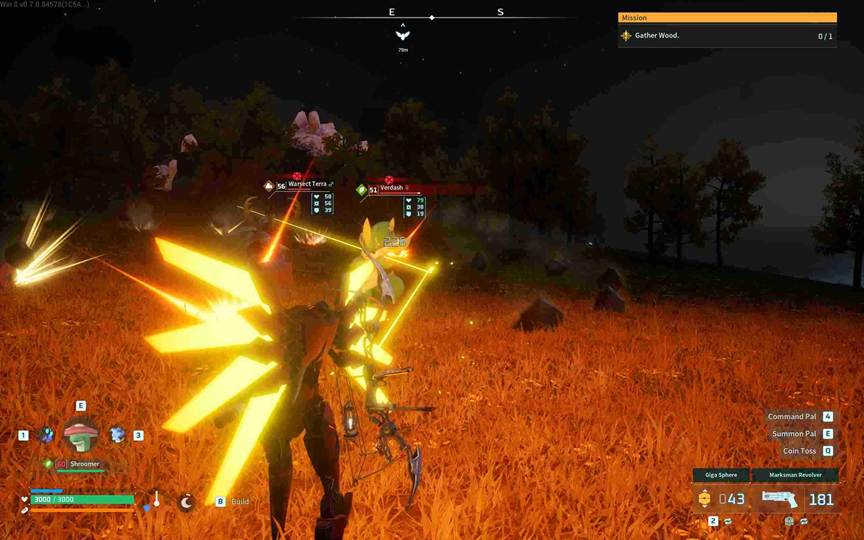
The ricochet also behaves like an aim-assist proxy for weak points. In field testing described by players, the Ricoshot tends to resolve into headshot-level damage when the enemy’s head is an available weak zone, which effectively turns the coin into a temporary “aim anchor” that can stabilize damage on fast-moving or awkwardly-shaped targets. This is where Coin Toss starts to feel less like a gimmick and more like a consistency engine, particularly in fights where normal revolver precision is disrupted by dodges, slopes, or swarm pressure.
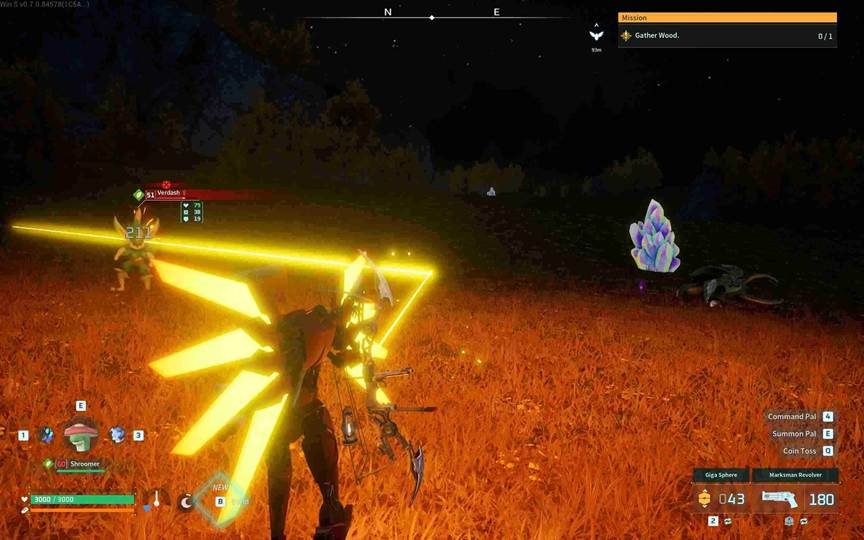
However, targeting rules appear conservative about initiating combat. Players report that Coin Toss does not reliably auto-target enemies that are not already engaged, which implies the ricochet prioritizes currently valid hostile targets rather than functioning as a scouting or long-range pull mechanic. That limitation shapes how it is deployed: Coin Toss is strongest once a fight is “live,” not as an opener.
Work within aggro and timing constraints
Coin Toss thrives under aggro because it compresses decision-making. When multiple enemies are active, the mechanic can convert a single well-timed coin hit into damage that tracks to a target without requiring the player to fully re-aim, which is valuable during repositioning, healing windows, or when maintaining line-of-sight is difficult. It effectively shifts some of the player’s burden from continuous tracking to discrete timing.
The mechanic also has an implicit pacing system. Players describe a finite coin reserve with a short recharge signaled by an audio cue, meaning Coin Toss cannot be spammed indefinitely without downtime. This makes it behave more like a combat resource than a basic attack: the best results come from saving coins for moments when normal aiming is least reliable, or when a brief burst of stabilized damage will swing the engagement.
Because Coin Toss is bound to the throw input, it also competes with other throw-based actions in the player’s kit. While the revolver is equipped, the usual throw slot is effectively occupied, which introduces a small but meaningful tradeoff: using the Marksman Revolver as a primary weapon reduces immediate access to Pal Sphere throws unless the player swaps weapons first. That friction is part of the mechanic’s balance, and it encourages deliberate weapon cycling instead of permanently camping the revolver.
Swapping off the revolver to regain Pal Sphere throws mid-combat in Palworld.
Apply it to real combat scenarios
In close-to-mid range skirmishes, Coin Toss is most effective as a stabilizer against lateral movement. The coin creates a brief “conversion window” where the player can throw, fire, and let the ricochet resolve damage even if the enemy jukes at the instant the shot is taken. This can be especially useful against small, fast targets whose hitboxes punish conventional revolver play.
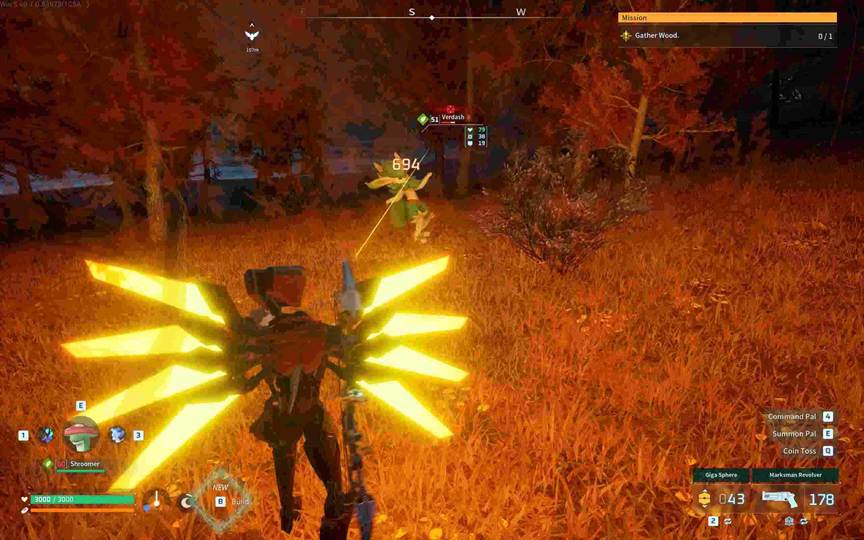
Against large targets and bosses, the value shifts from tracking to weak-point access. When head positioning is awkward or elevation changes constantly, the coin can act as a temporary bridge between imperfect sightlines and meaningful damage. The mechanic does not automatically make the Marksman Revolver a top-tier DPS weapon, but it can improve effective DPS by raising the percentage of shots that convert into high-value hits, which matters more in real fights than in static dummy testing.
In vertical mobility play, Coin Toss becomes a way to keep damage output while movement demands attention. Players report the coin shot can be executed while gliding, which turns airtime into an offensive window rather than a purely evasive state. When used this way, Coin Toss is less about raw damage spikes and more about preserving combat tempo while repositioning.
Ultimately, Coin Toss is best understood as a ruleset layered on top of the revolver rather than a standalone trick. Palworld’s patch notes frame it as a devastating ricochet mechanic, but its practical identity is a timed targeting assist that rewards sequencing, aggro awareness, and weapon swapping discipline. Players who treat it as a rhythm tool, not a spam tool, will get the closest thing to ULTRAKILL-style “style damage” that Palworld’s combat sandbox can currently support.