
Engineering Workbench in Rust The Crafting Update
The Rust universe just got a major upgrade, and it’s all thanks to the Engineering Workbench. If you’ve ever found yourself frustrated trying to navigate the tech tree for electrical components, industrial setups, or water systems, this update is exactly what you need. With the introduction of this new workbench, all electrical and mechanical crafting has been moved away from traditional workbenches, creating a more streamlined and dedicated experience for players who love automation.
Where to find
You have a few options if you want to get your hands on the Engineering Workbench. It can be unlocked and crafted, looted, or obtained through raiding.
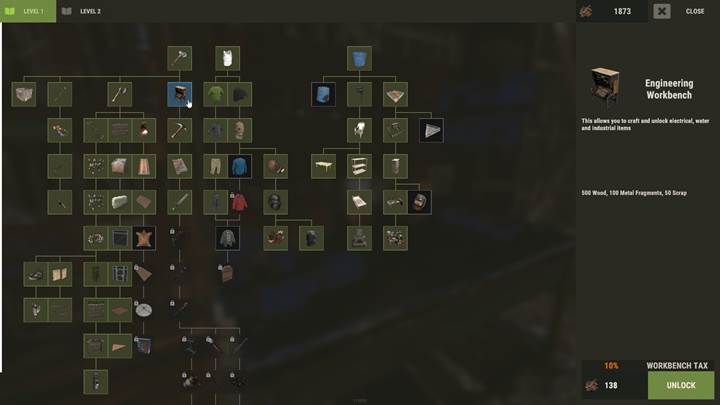
Some of the best places to find one in the wild include normal crates, underwater labs, cargo ship scientists, and various scientist NPCs scattered across different monuments. With some luck, you might even find one while looting or taking down enemy players. But if you’d rather take control of the situation, crafting one yourself is always an option.
Crafting the Engineering Workbench
Crafting the Engineering Workbench is straightforward for those who prefer building rather than looting. To create one, you’ll need a Workbench Level 1 and a few essential materials: 500 wood, 100 metal fragments, and 50 scrap. Once crafted, you can place it in your base, giving you access to all electrical, water, and industrial components without relying on a standard workbench.

Changes to the tech tree
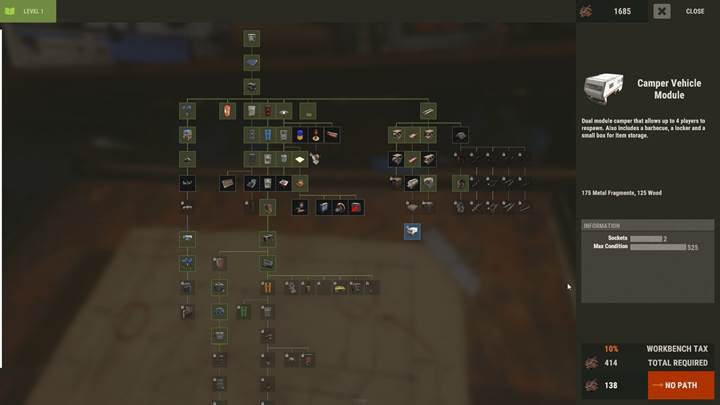
One of the Crafting Update's biggest shifts is removing electrical components from the traditional tech tree. Instead of finding items like switches, batteries, and solar panels mixed in with weapons and tools, they’ve all been consolidated under the Engineering Workbench. When you interact with the Engineering Workbench, you’ll see a dedicated progression path that starts with basic electrical components like switches and small batteries. As you unlock more items, you’ll gain access to advanced electronics, automated farming tools, industrial devices, and even auto-turrets. If you’re serious about setting up a high-tech base, this is where you will focus your efforts.
Using the Engineering Workbench
Once you’ve placed your Engineering Workbench, it’s time to put it to use. Walk up to it and interact to access its menu. You can craft electrical components, water systems, and industrial tools from here. If you want to expand your base’s functionality, this workbench is the key to unlocking some of Rust’s most powerful items. It also allows you to research and learn new blueprints, helping you progress faster and build more efficient setups.
Placement and storage
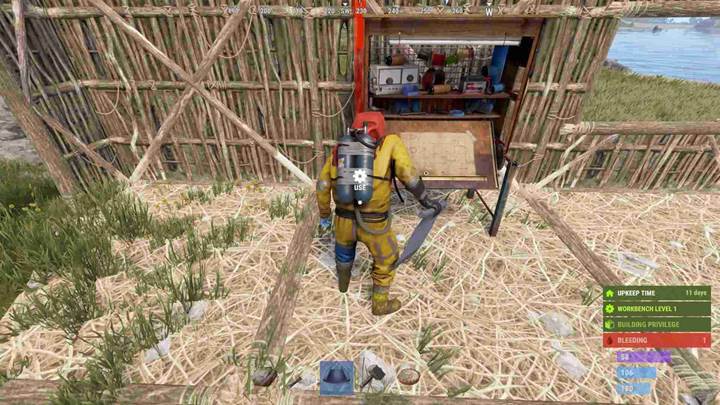
When setting up your Engineering Workbench, you’ll want to consider placement carefully. It takes up a fair amount of space. The good news is that it can fit two small boxes underneath it, making it an efficient use of space in compact bases. Setting up a dedicated engineering room might be a smart move if you're planning on running a heavily industrialized base.
Impact on base defense
With the introduction of the Engineering Workbench, auto-turrets are now accessible earlier in the game. Previously locked behind Tier 2 workbenches, auto-turrets can now be obtained via the Engineering Workbench’s tech tree, making them more viable for mid-game defenses. However, their crafting costs have increased slightly, balancing out their earlier availability.
Research and scrap cost
Unlocking new items through the Engineering Workbench follows a similar process to other workbenches. You’ll need scrap to research blueprints; the cost varies depending on the item. The workbench requires 125 scraps to research, making it relatively easy to obtain early in a wipe. Once unlocked, you can research and craft electrical and industrial items without relying on random loot spawns.
Future potential
The Engineering Workbench represents a significant shift in how Rust handles tech progression. While the current update focuses on moving electrical and industrial items into a separate system, future updates could expand this further. There has been speculation that workbenches might eventually be used purely for crafting rather than unlocking blueprints, potentially changing how players progress through the game. For now, the Engineering Workbench is a welcome addition that makes setting up advanced bases much more intuitive.
By moving these items into a dedicated system, Rust has streamlined the crafting process and made it easier to build high-tech bases.