
Concrete Stairs and Slabs: All 16 Colors in Wilderness Bound
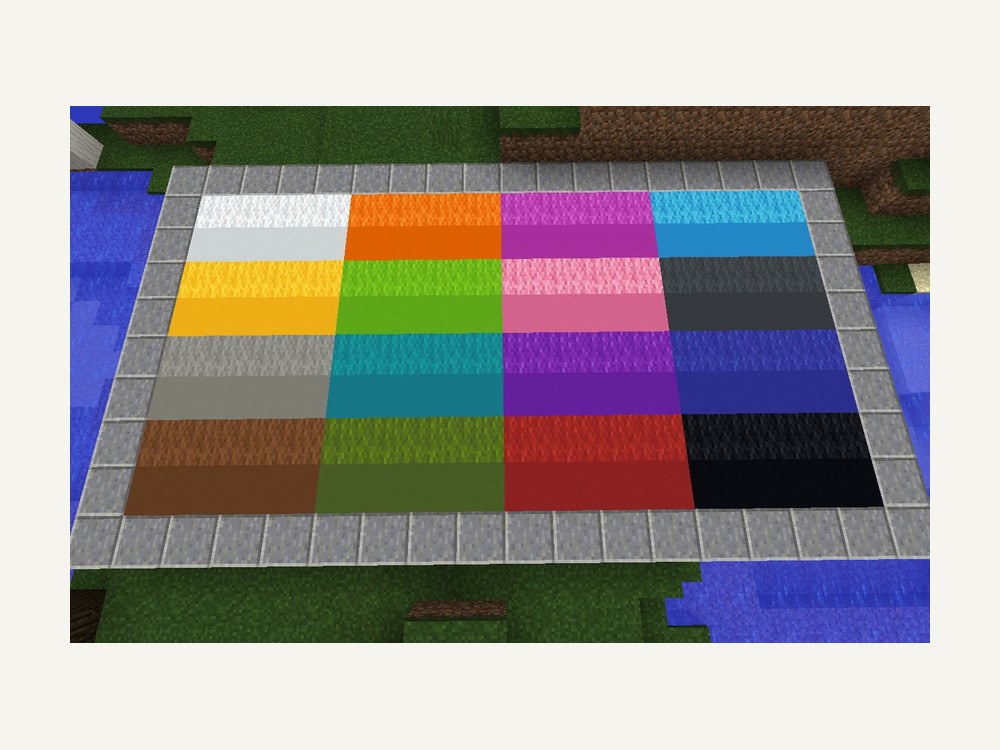
Minecraft's Wilderness Bound (26.3) update, documented as released 15 September 2026, adds a small but long-requested set of shapes: stairs and slabs for every one of concrete's colors. Per minecraft.wiki's own drop page, "Wilderness Bound (26.3) adds stair and slab variants for all 16 concrete colors." Below is exactly what the wiki documents about the new shapes — the crafting-table and stonecutter recipes that make them, and the properties they inherit from base concrete — with the source's own wording quoted where it's the evidence, and an explicit hedge anywhere the source doesn't go further.
All 16 Colors Get Stairs and Slabs
The addition itself is a single sentence on the wiki's drop page: "Wilderness Bound (26.3) adds stair and slab variants for all 16 concrete colors." That's the full extent of what this source documents about the addition — it confirms the count (16) and the two new shapes (stairs, slabs), but it does not itemize the 16 colors by name on this page, so which specific colors are covered isn't something this fact can back beyond "all 16." Treat any list of individual color names as undocumented by this source rather than confirmed.
On the base material, the wiki states plainly: "Concrete is made when concrete powder contacts water." That's the only production method this source documents for getting a solid concrete block in the first place — the stair and slab recipes below both consume an already-hardened block, not powder directly.
Crafting Table Recipes
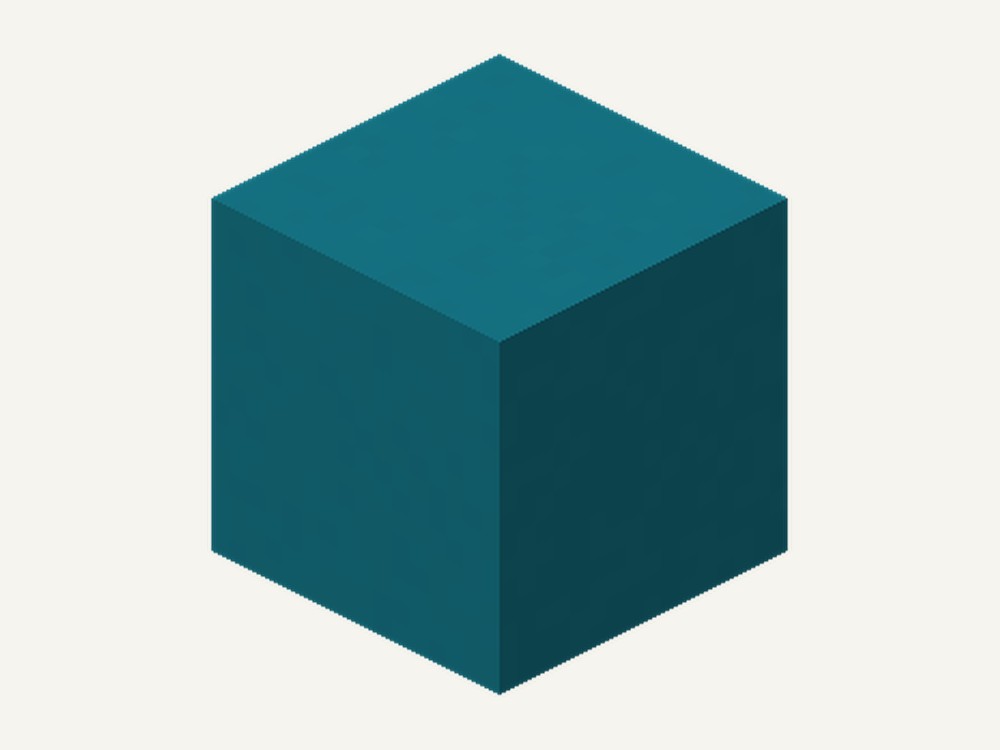
At a crafting table, the wiki documents two recipes: "3 matching concrete blocks make 6 slabs; 3 in a staircase pattern make 4 stairs."
Working the per-block rate: 6 slabs ÷ 3 blocks = 2 slabs per block. Stairs come out lower: 4 stairs ÷ 3 blocks ≈ 1.33 stairs per block.
That rate matters at scale. A full stack of 64 stairs needs 16 repeats of the 3-block recipe (16 × 4 = 64 stairs exactly), costing 16 × 3 = 48 concrete blocks with no leftover stairs.
Slabs don't divide as cleanly against a 64-stack target. 64 ÷ 6 = 10.67 repeats, which rounds up to 11 repeats: 11 × 3 = 33 blocks, producing 11 × 6 = 66 slabs — two more than a single stack, since the recipe's batch of 6 can't be scaled down to land on exactly 64.
Stonecutter Recipes
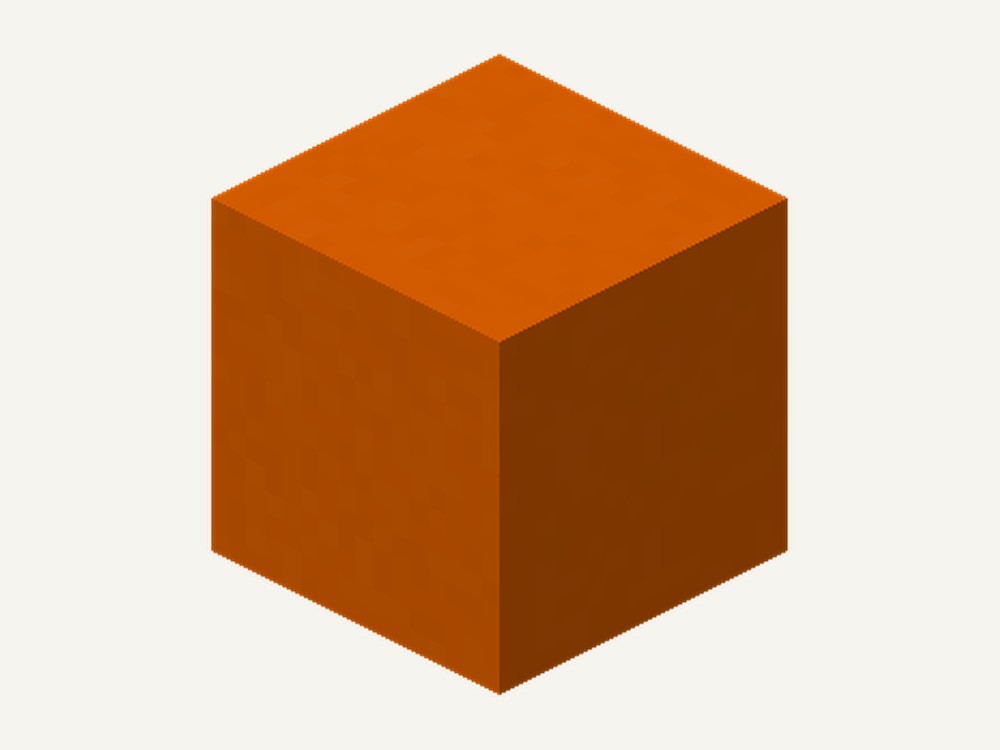
The stonecutter offers a second path, one block at a time: "1 concrete block makes 2 slabs, or 1 stair."
For slabs, that's 2 ÷ 1 = 2 slabs per block — the same per-block rate as the crafting table. But because the stonecutter works one block at a time instead of batches of 3, it can hit a full stack exactly: 32 blocks × 2 = 64 slabs precisely, versus the crafting table's 33 blocks for 66 slabs.
For stairs, the stonecutter is less block-efficient: 1 ÷ 1 = 1 stair per block, against the crafting table's 1.33 per block. A full stack of 64 stairs costs 64 blocks at the stonecutter, versus 48 blocks at the crafting table — 16 extra blocks spent for working one at a time instead of in threes.
Shared Properties
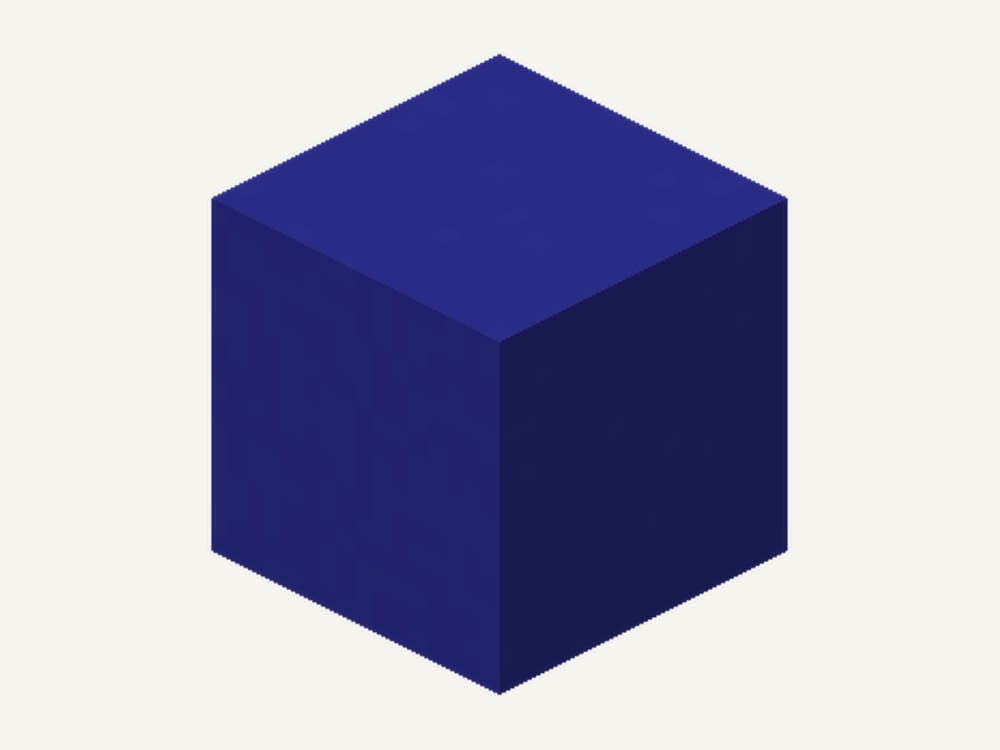
The new shapes don't carry different stats from the block they're cut from. Per the wiki: "Stairs and slabs share concrete's stats: hardness 1.8, blast resistance 1.8, wooden pickaxe+, non-flammable." That lines up with the base block's own documented properties: hardness 1.8, blast resistance 1.8, requires a wooden pickaxe or better to mine, non-flammable, and stacks to 64 per inventory slot.
The source doesn't say whether any of these stats vary between the 16 colors — hardness, blast resistance, and mining requirement are documented only at the material level, not broken out per color, so treat them as uniform across every color rather than confirmed color-by-color.
Tips: the stonecutter is the tool to reach for when you need an exact slab count — 32 blocks makes precisely 64, with nothing wasted. The crafting table wins on stairs — 48 blocks for a full stack of 64, versus 64 blocks at the stonecutter. Either way, mining the source concrete block still needs a wooden pickaxe or better, and the finished stairs and slabs are non-flammable, per the wiki.
Running your own Minecraft server
Testing crafting-table and stonecutter yields for a new build is a lot faster with a dedicated Minecraft server, where you can spawn in stacks of concrete and try both recipes side by side without waiting on a shared world. Config files, launch arguments, and admin/console commands for tuning your world are all fair game once the server's up — get one running in minutes with code WELCOME.
Conclusion
Wilderness Bound's concrete update is narrow by design: 16 existing colors, two new shapes, no change to the material's underlying stats. The arithmetic is what makes the choice between crafting table and stonecutter concrete (so to speak) — the crafting table is more block-efficient for stairs (48 blocks per stack versus 64), while the stonecutter is the only route to an exact stack of slabs (32 blocks for 64, versus 33 blocks for 66 with the crafting table). Whichever you pick, the wiki is clear that hardness, blast resistance, mining requirement, and non-flammability all carry over unchanged from the base block.